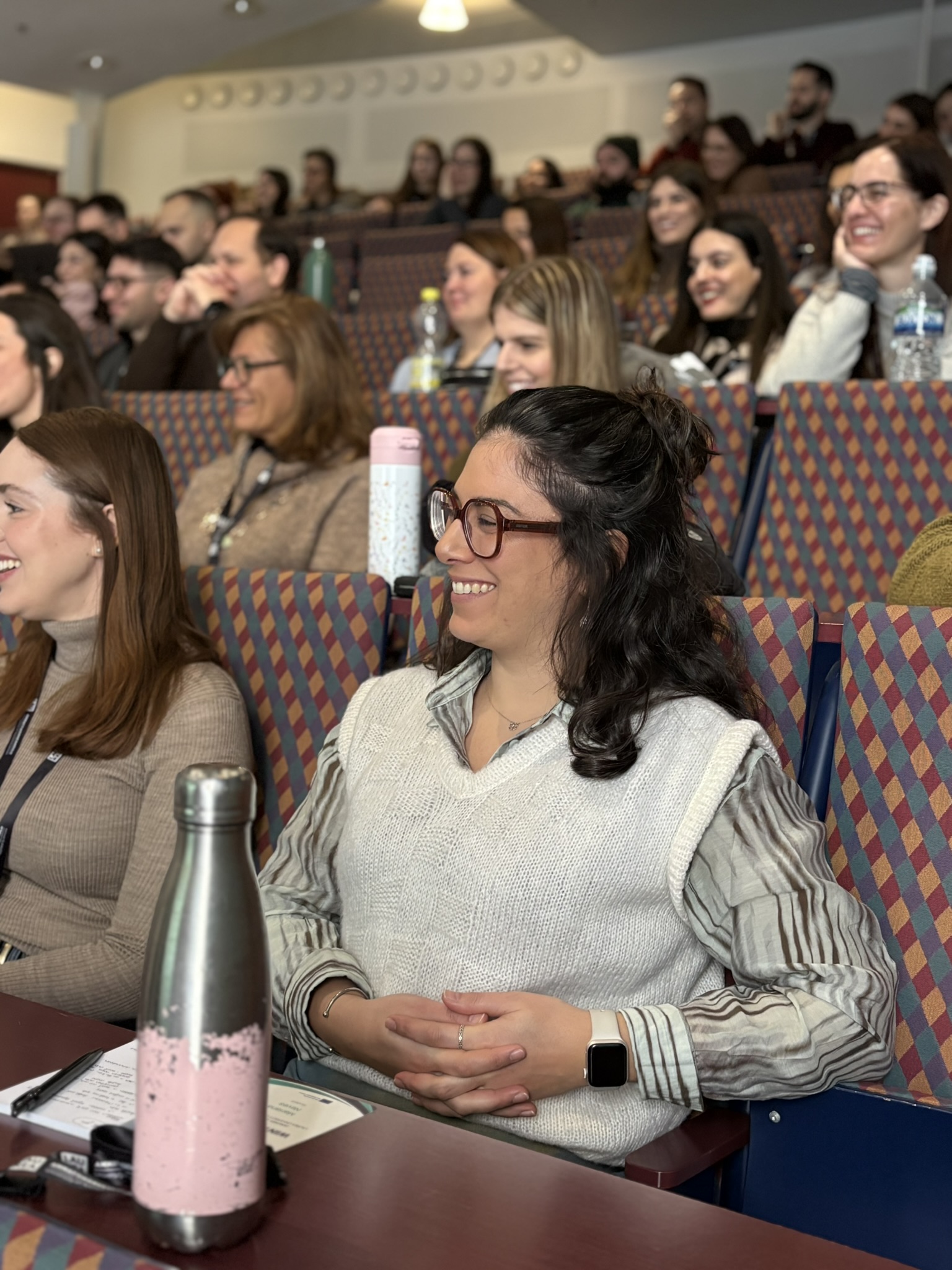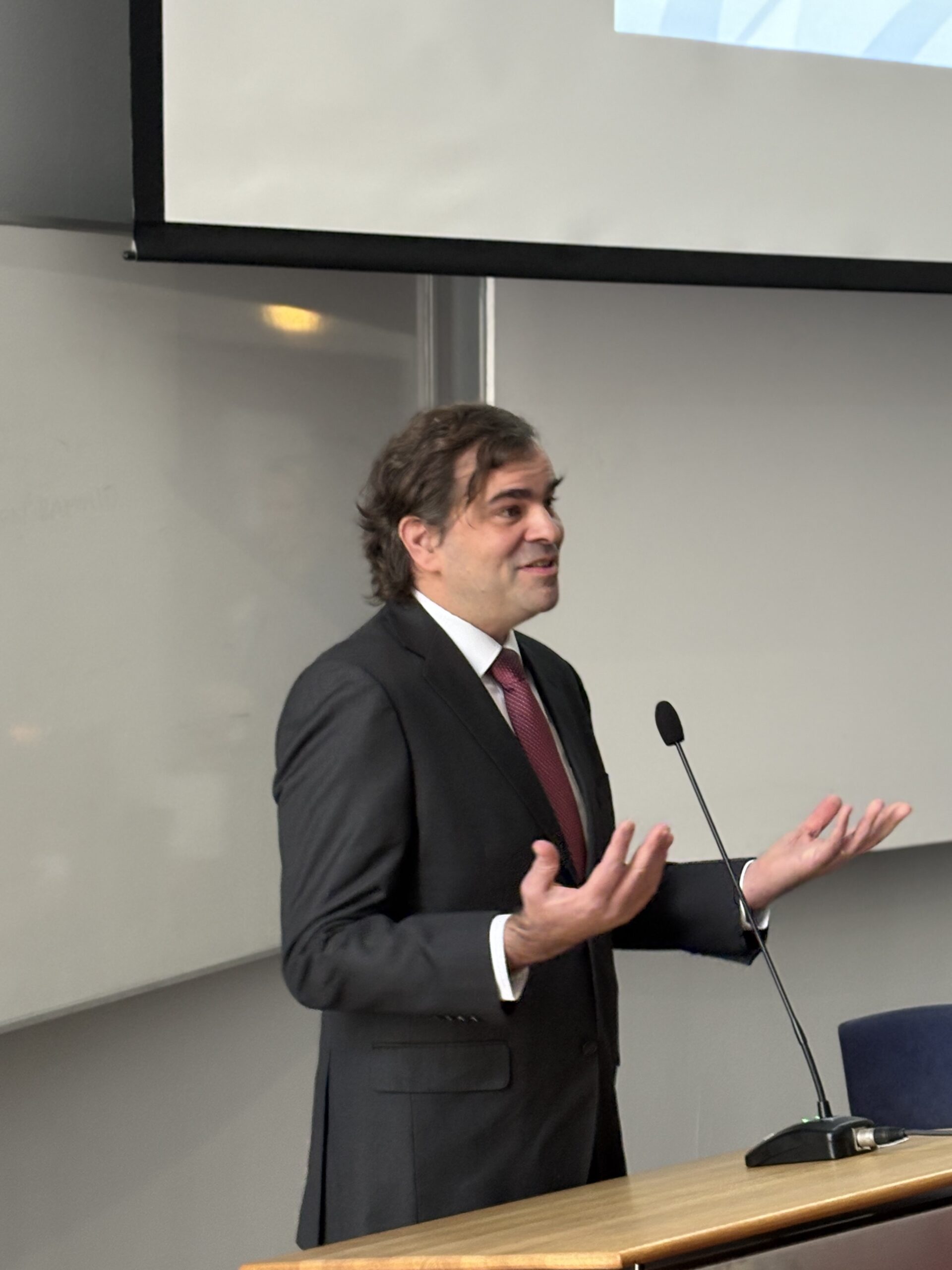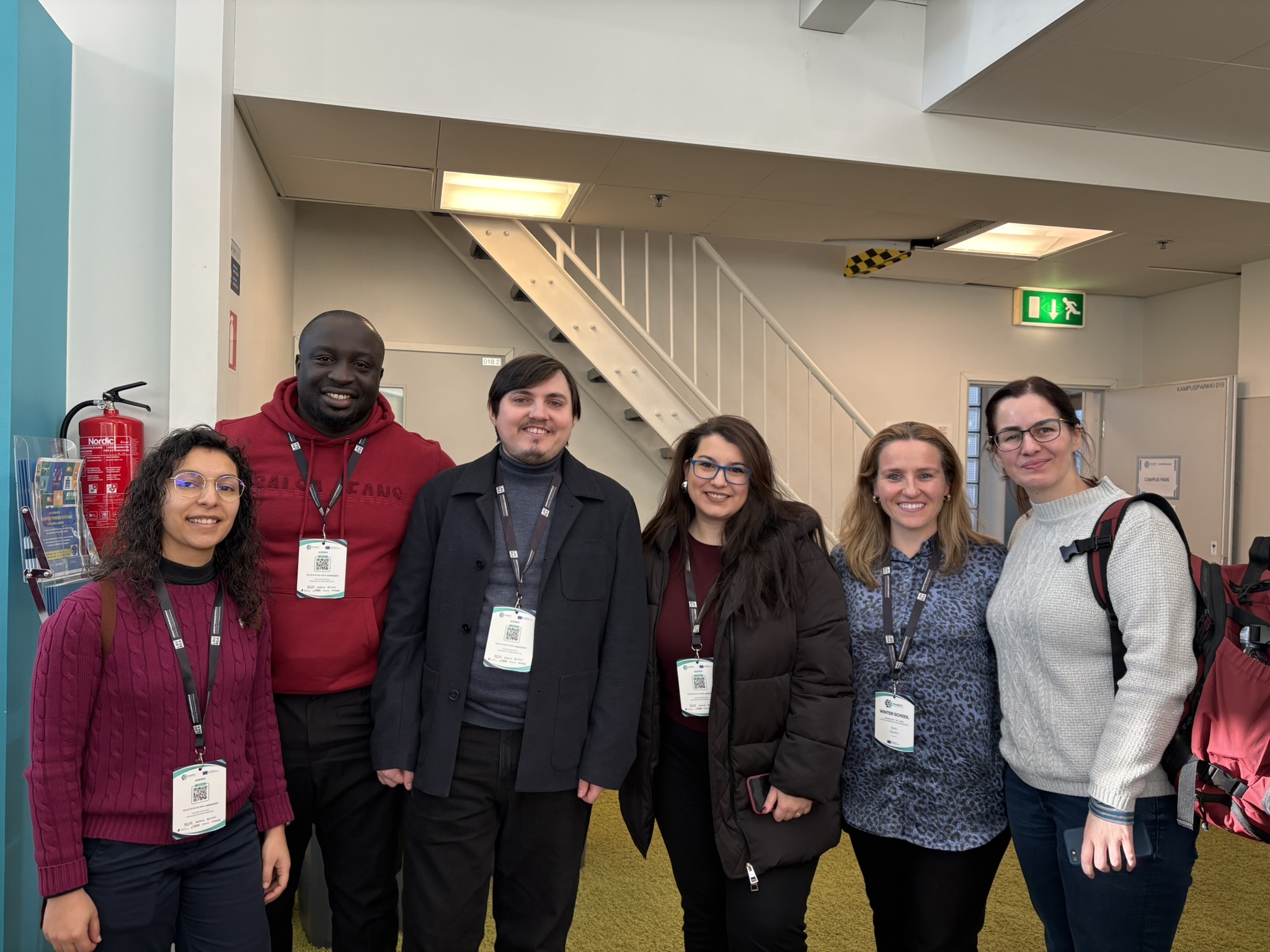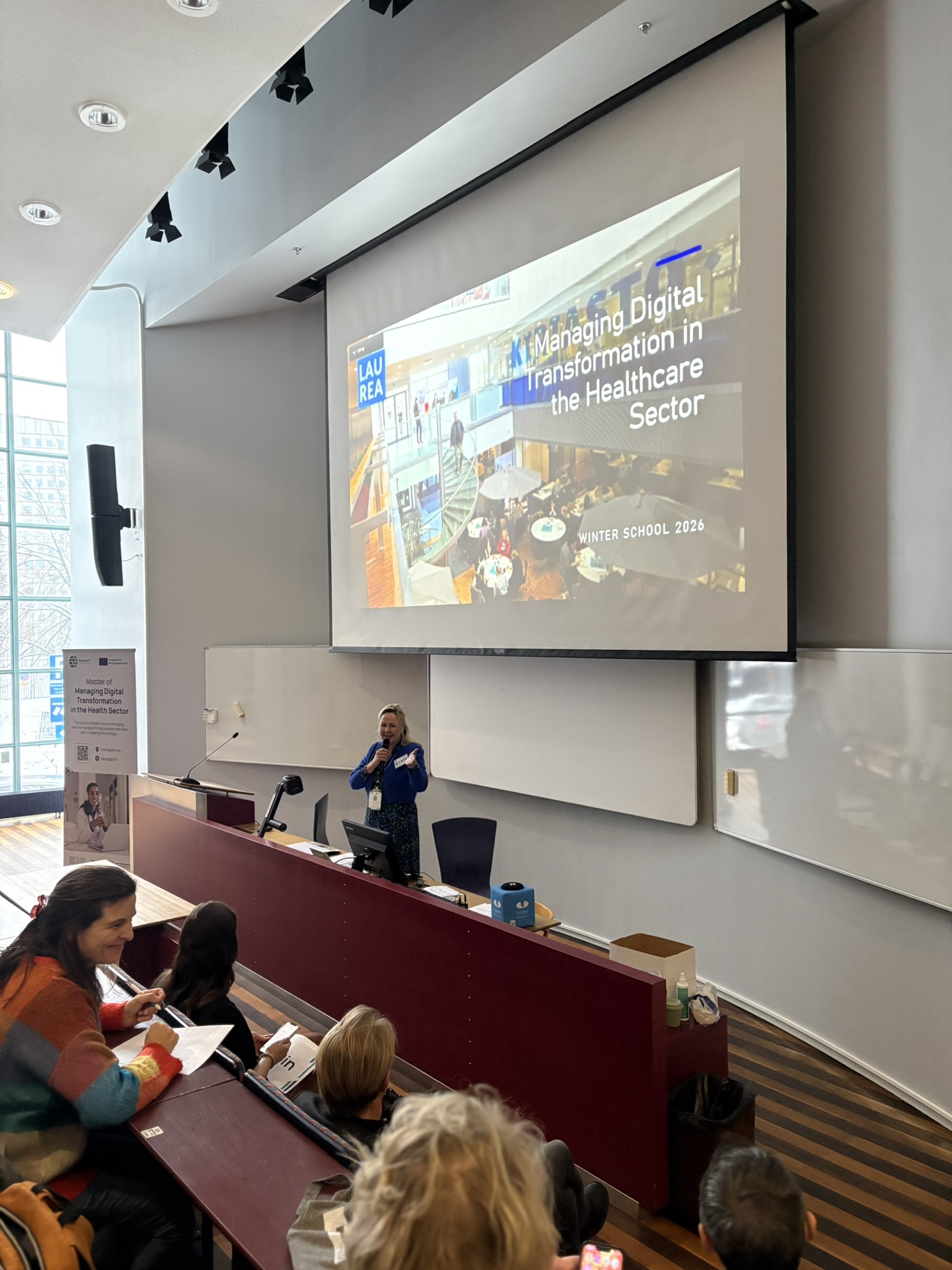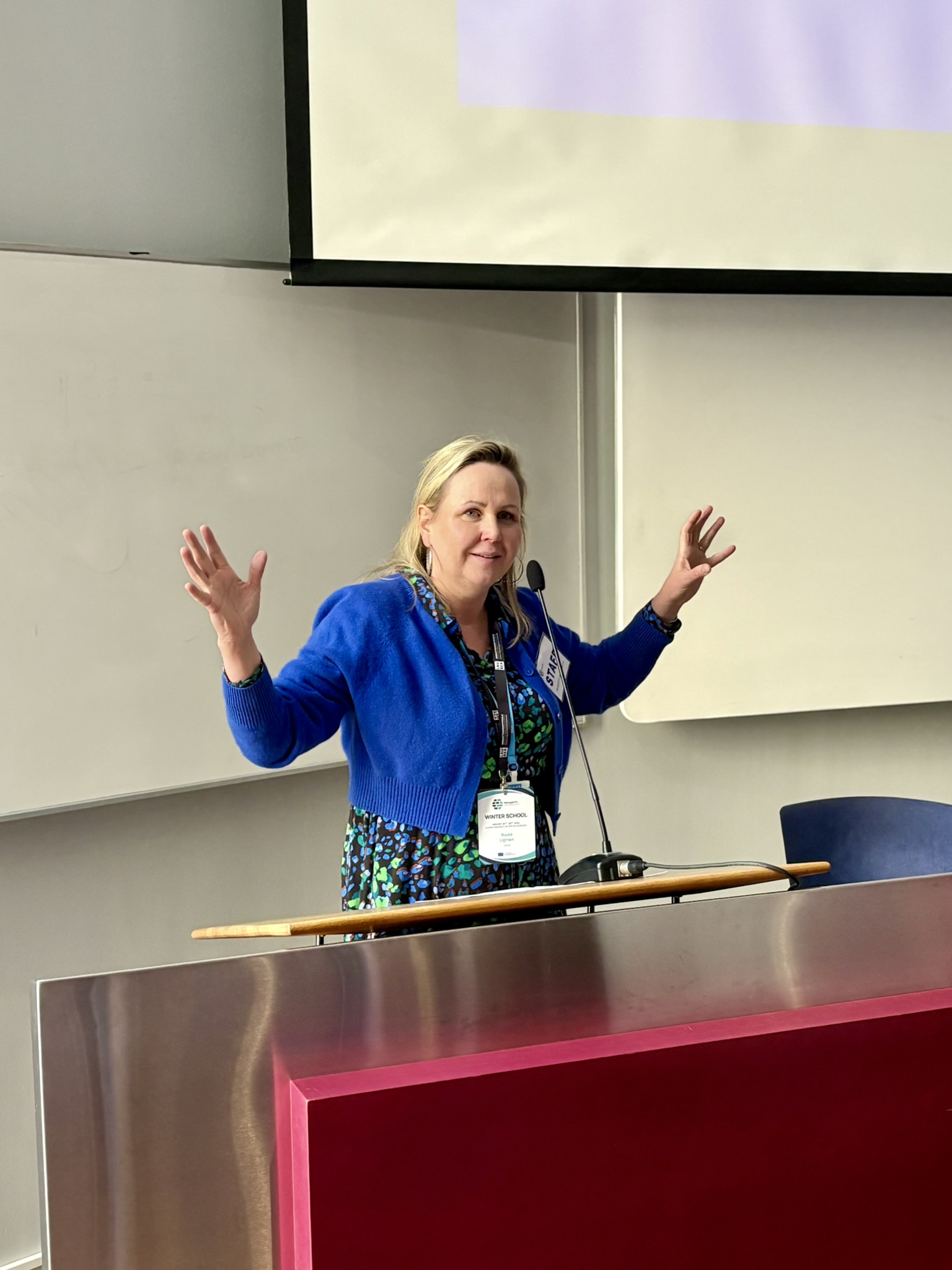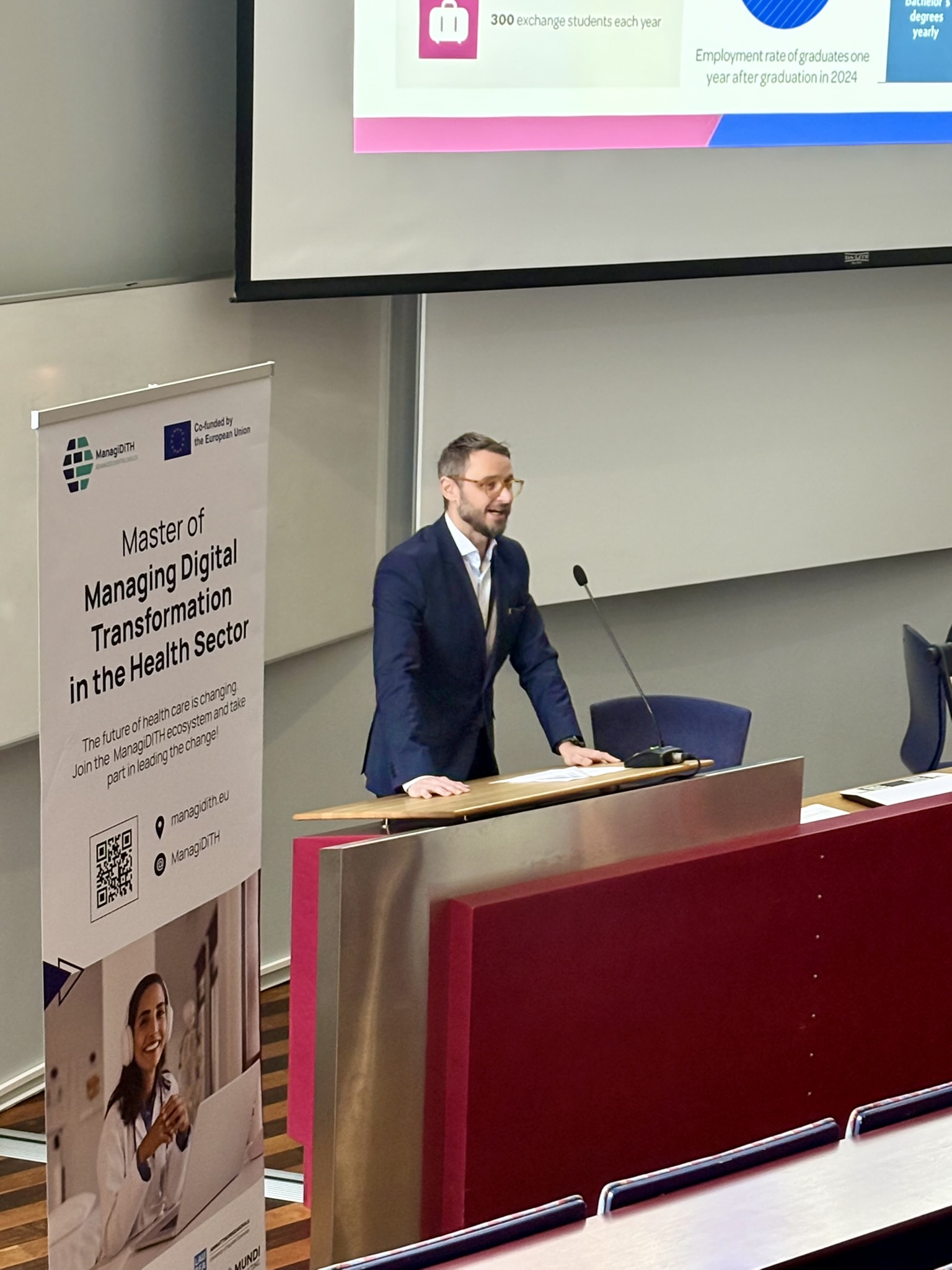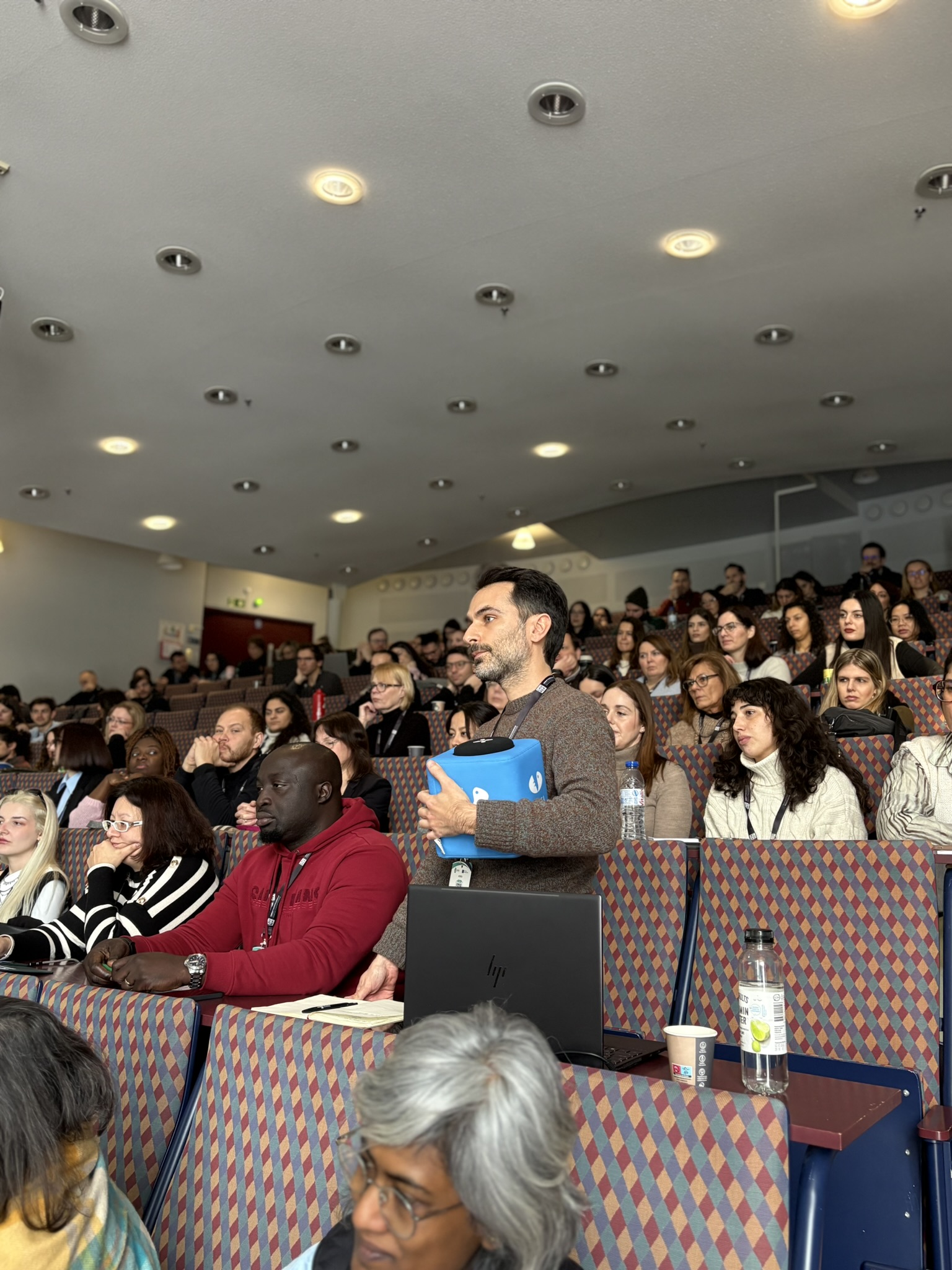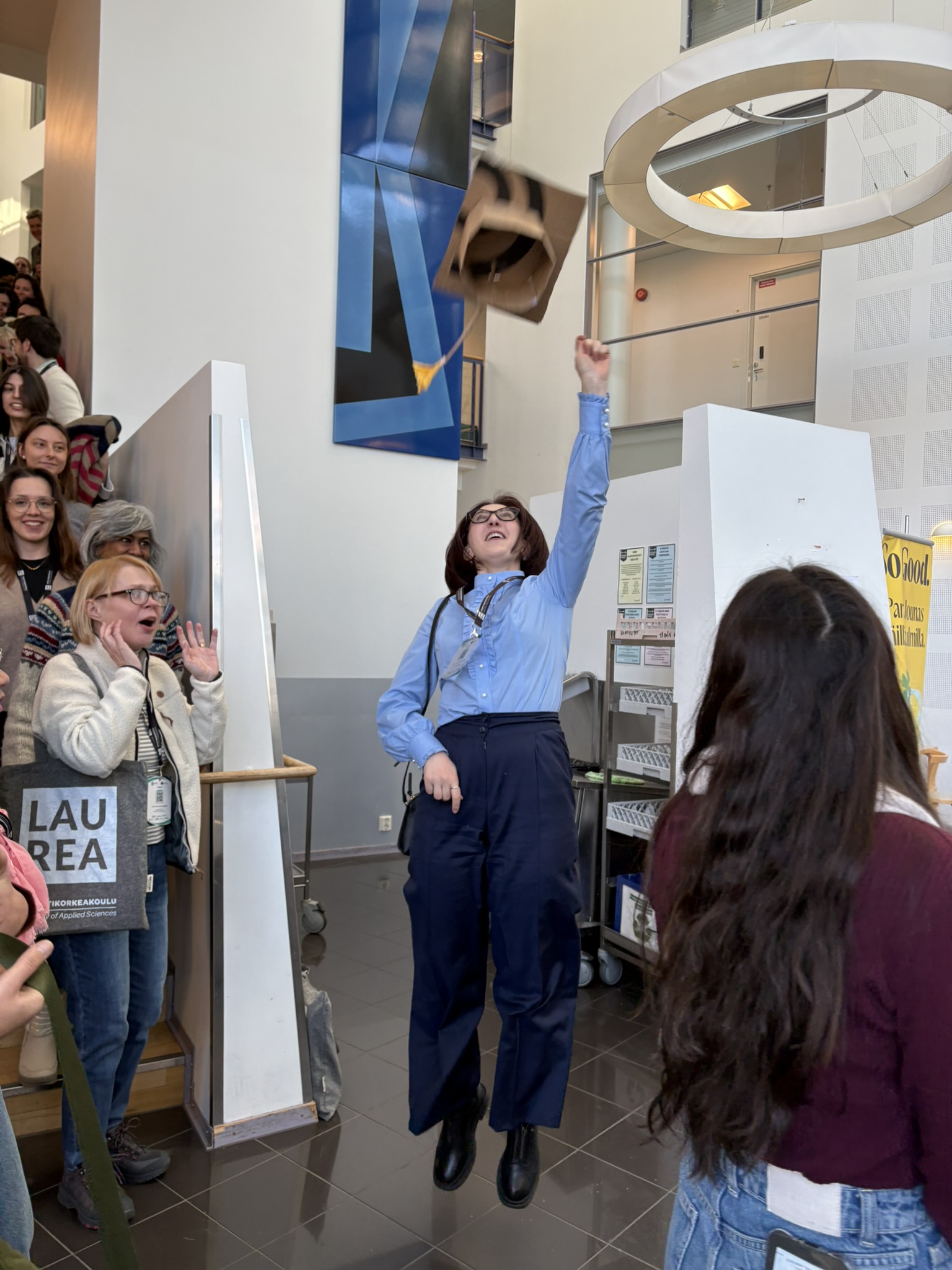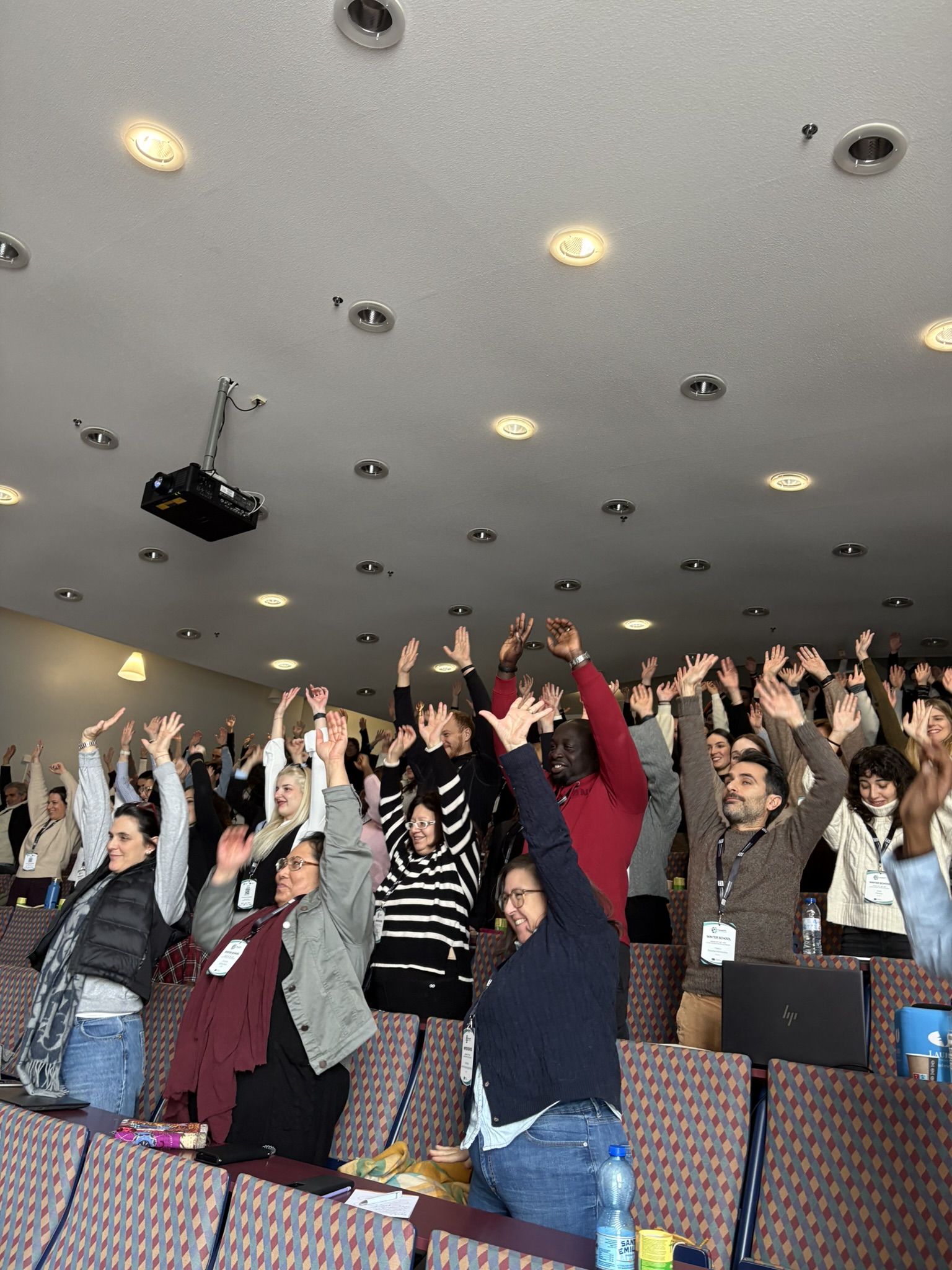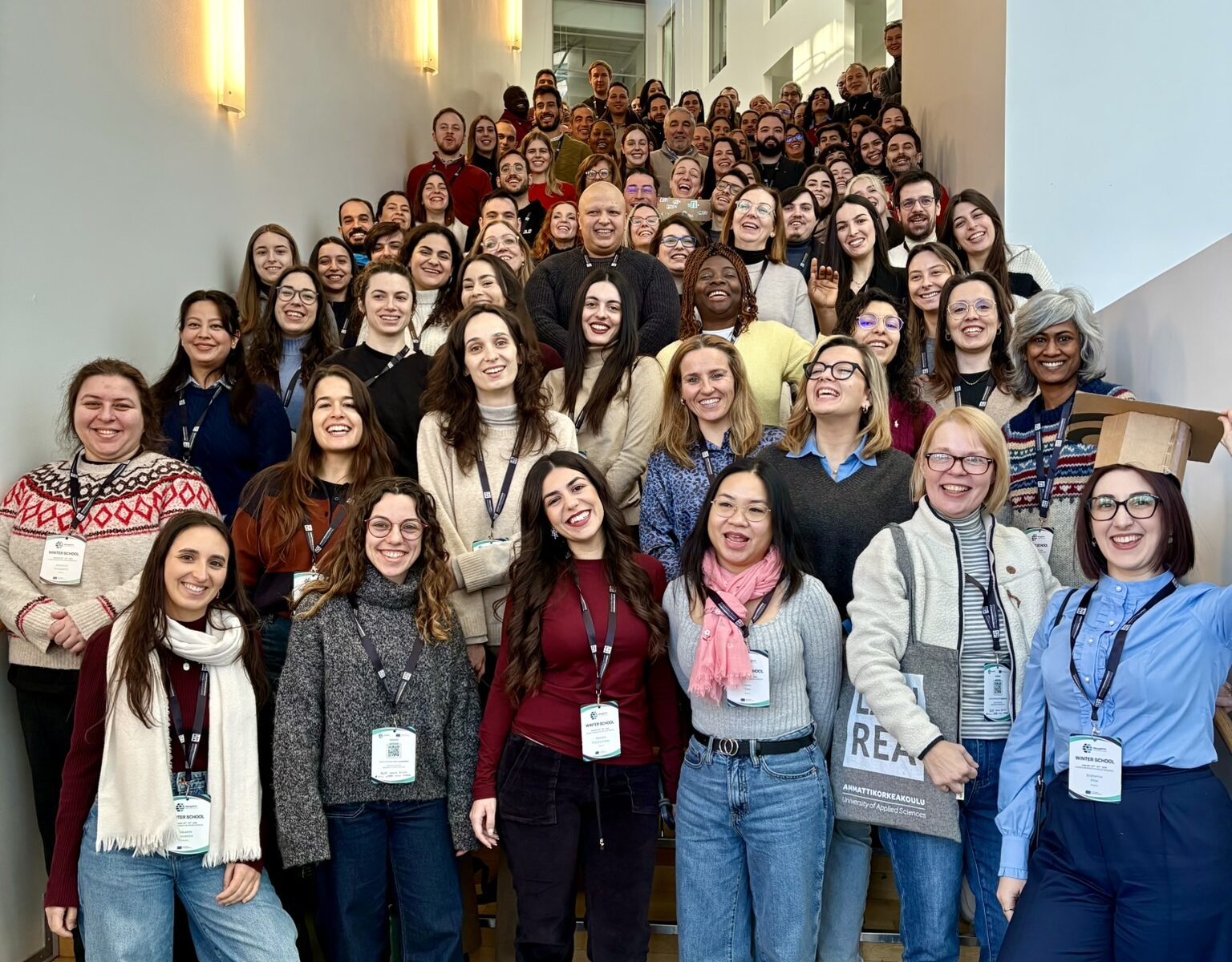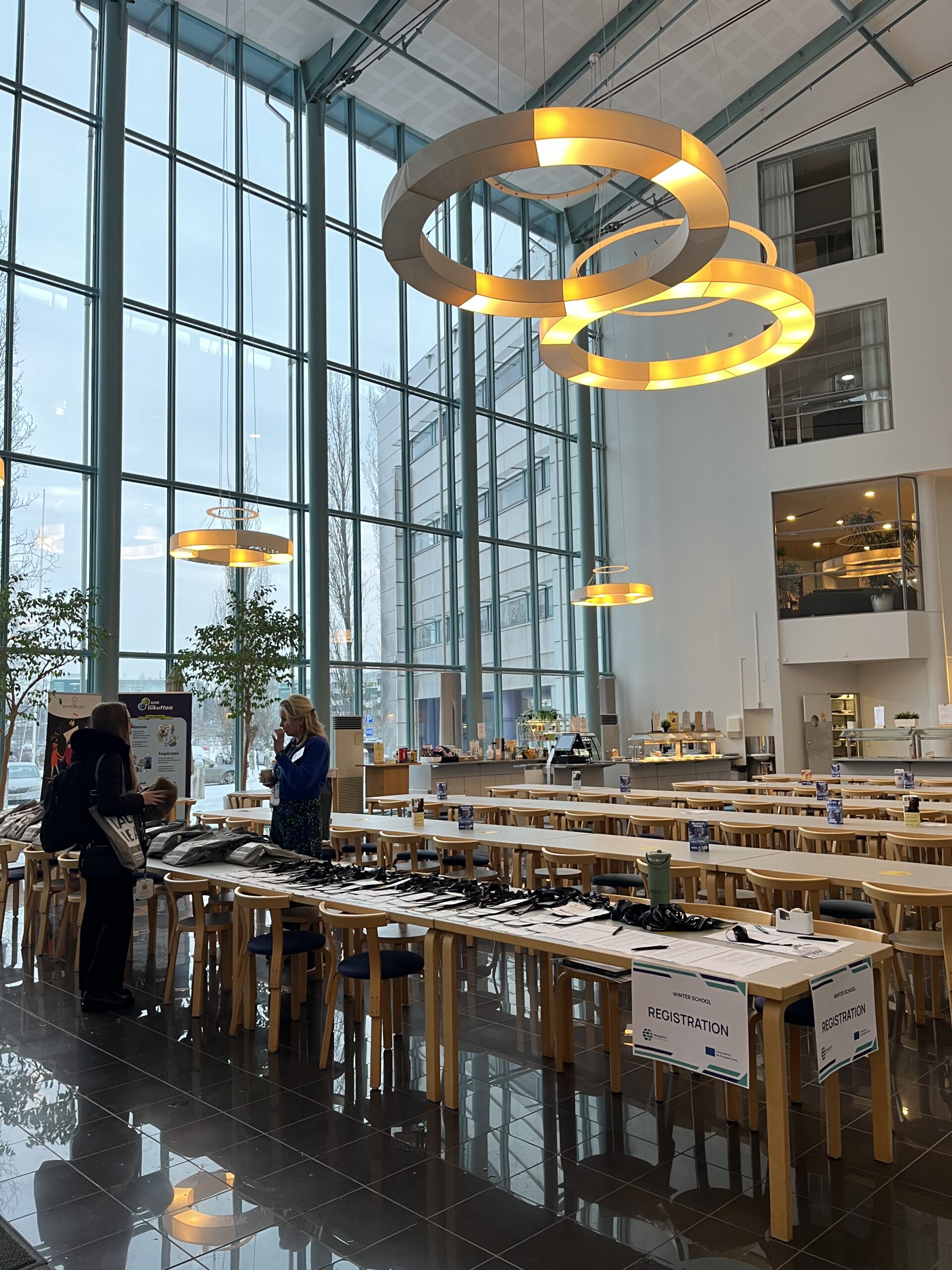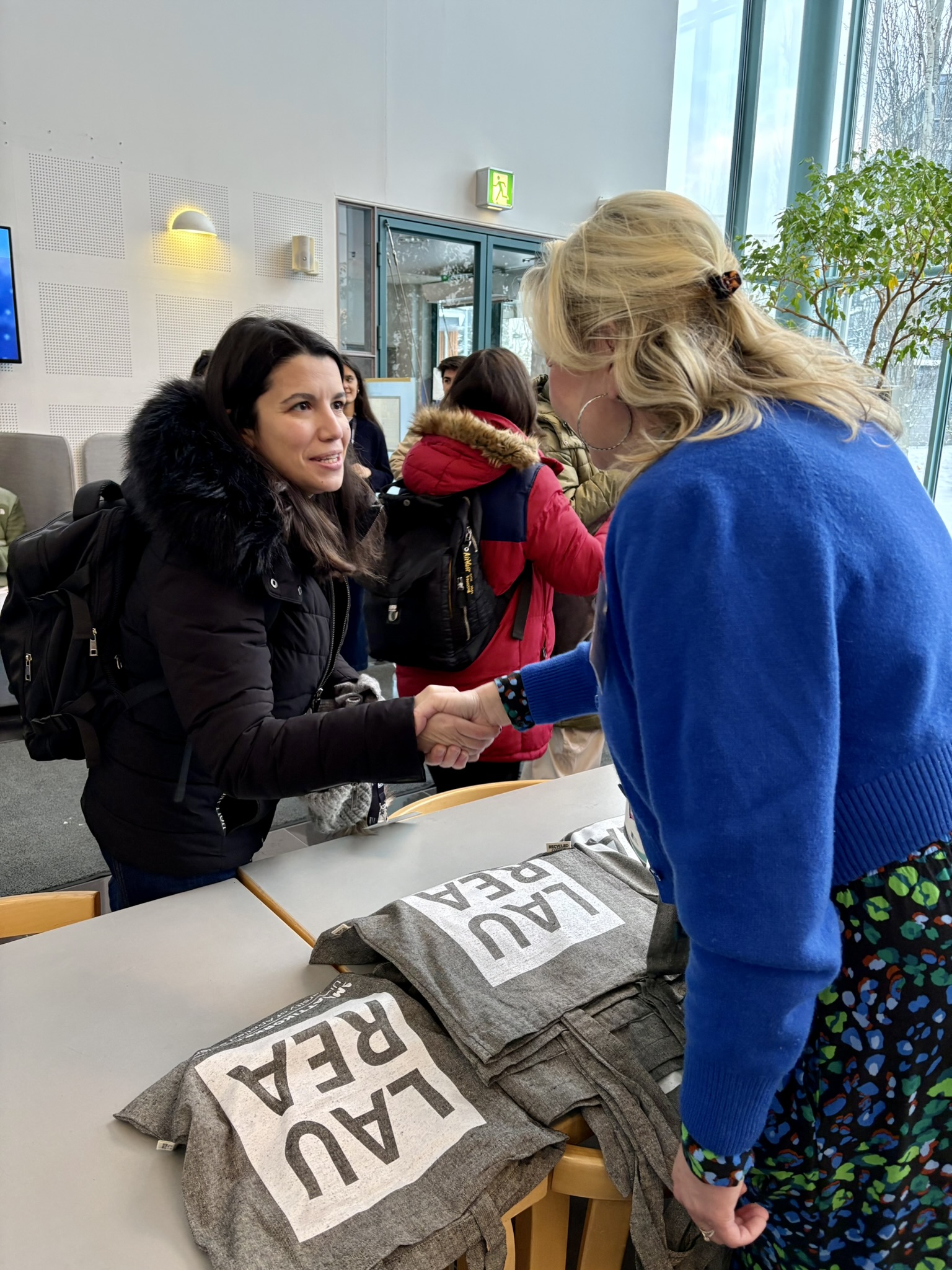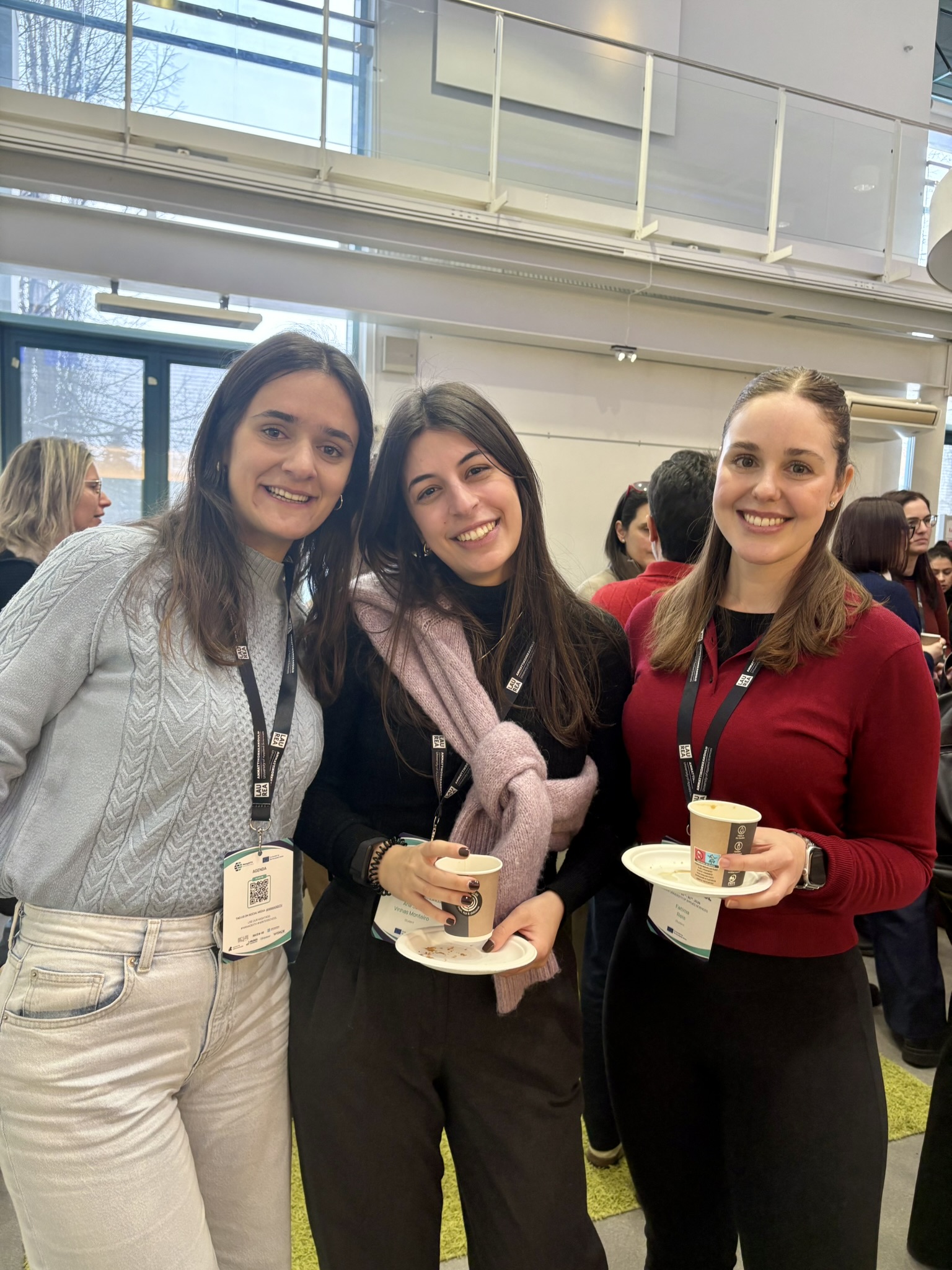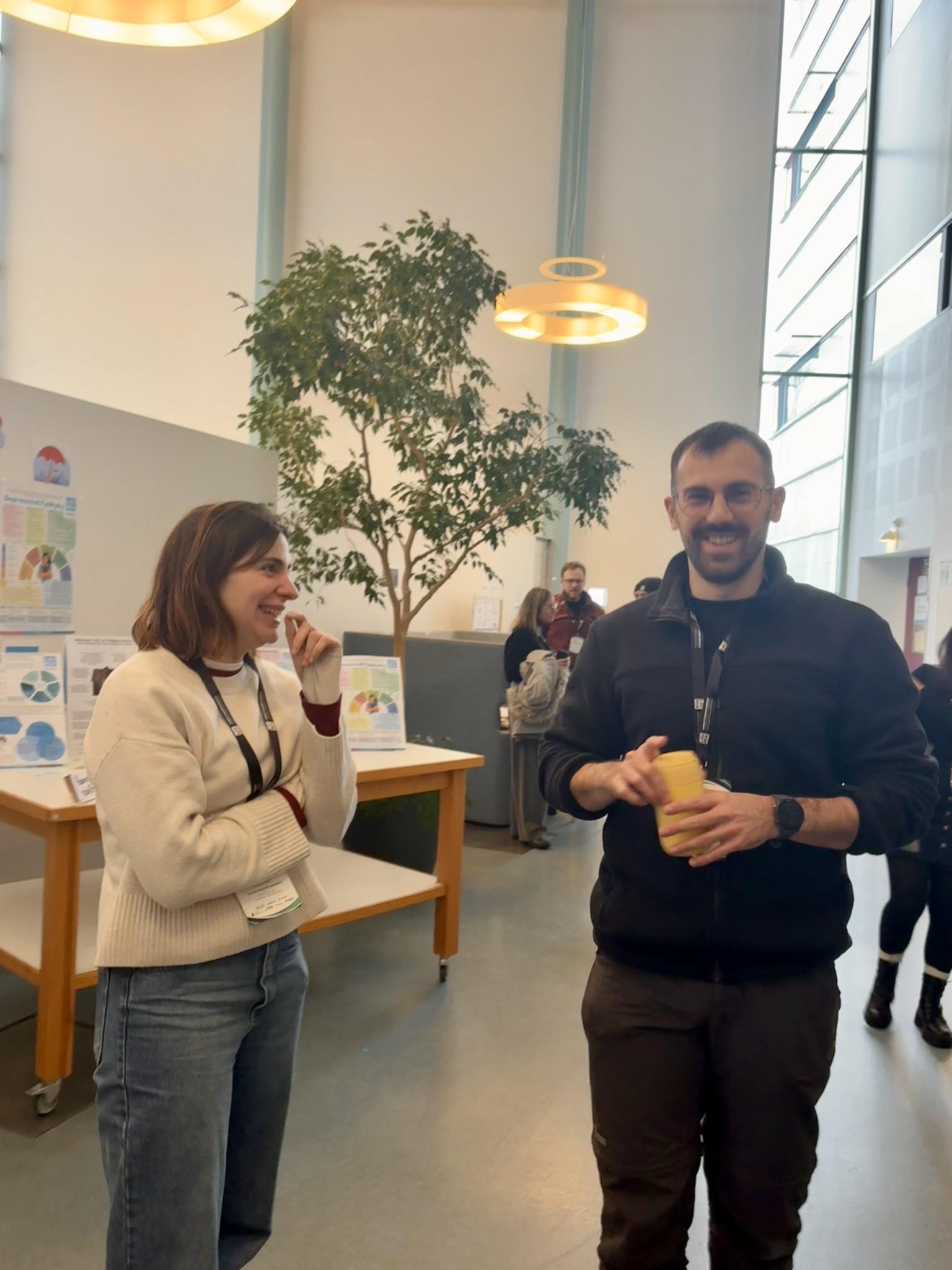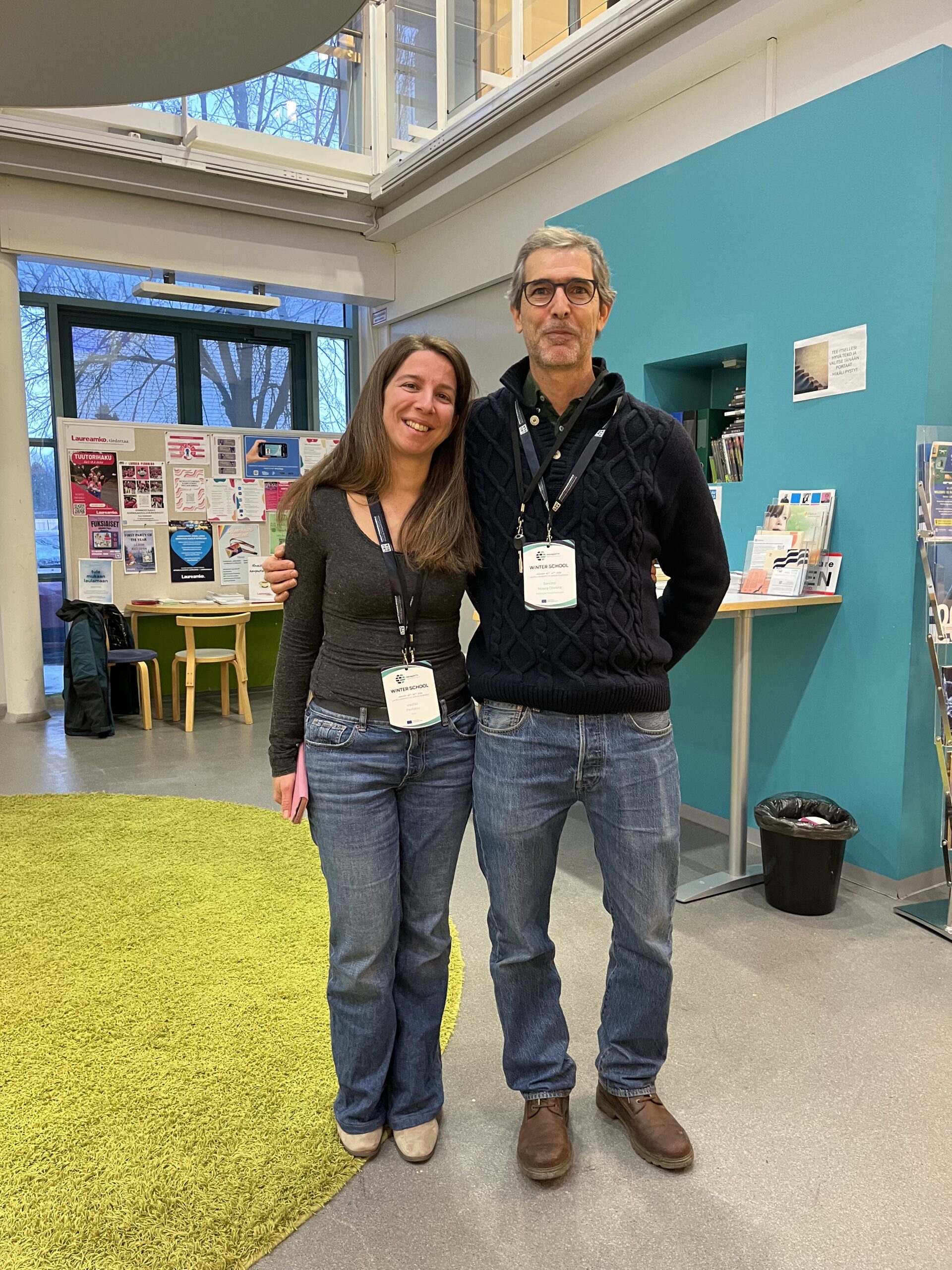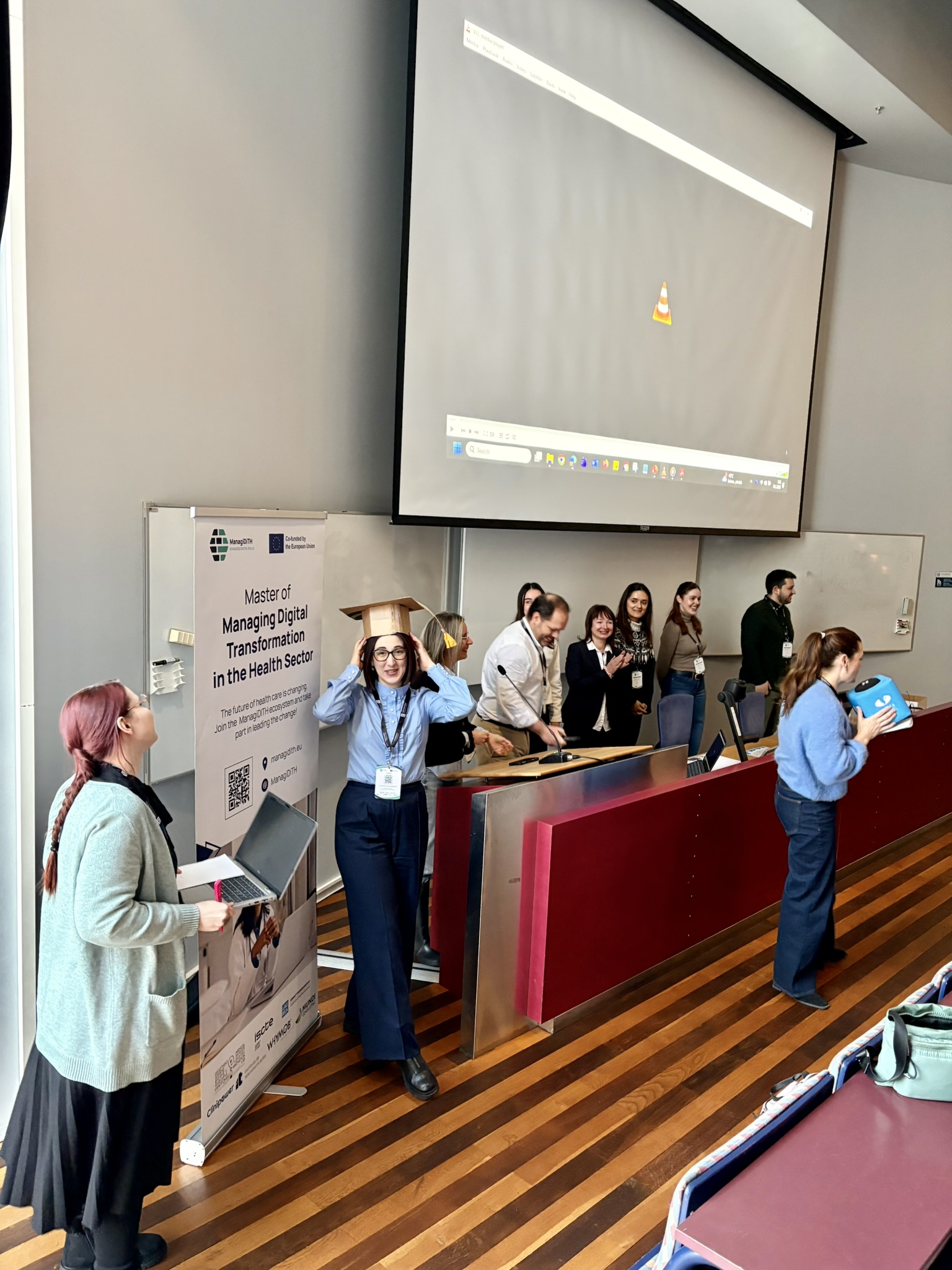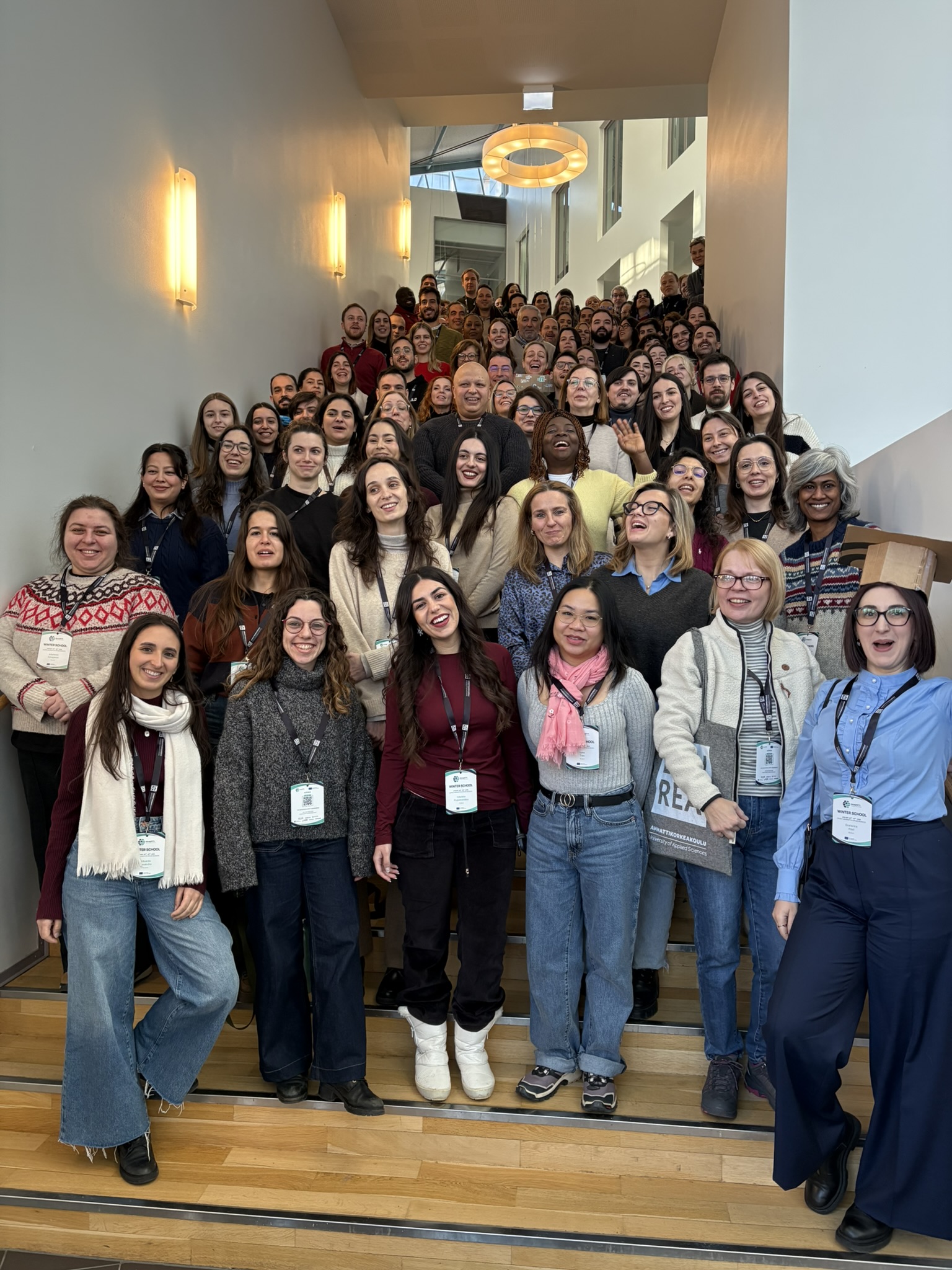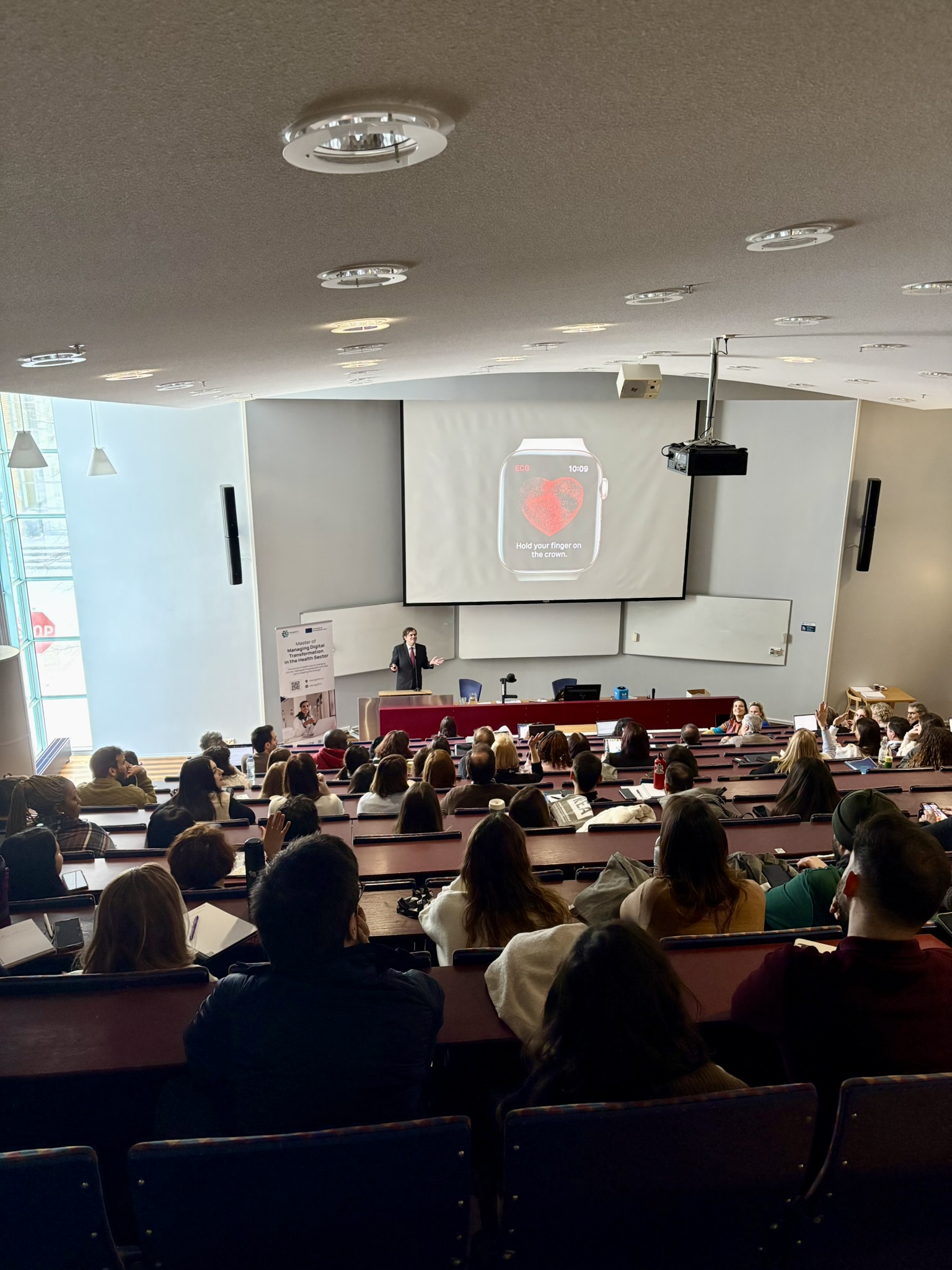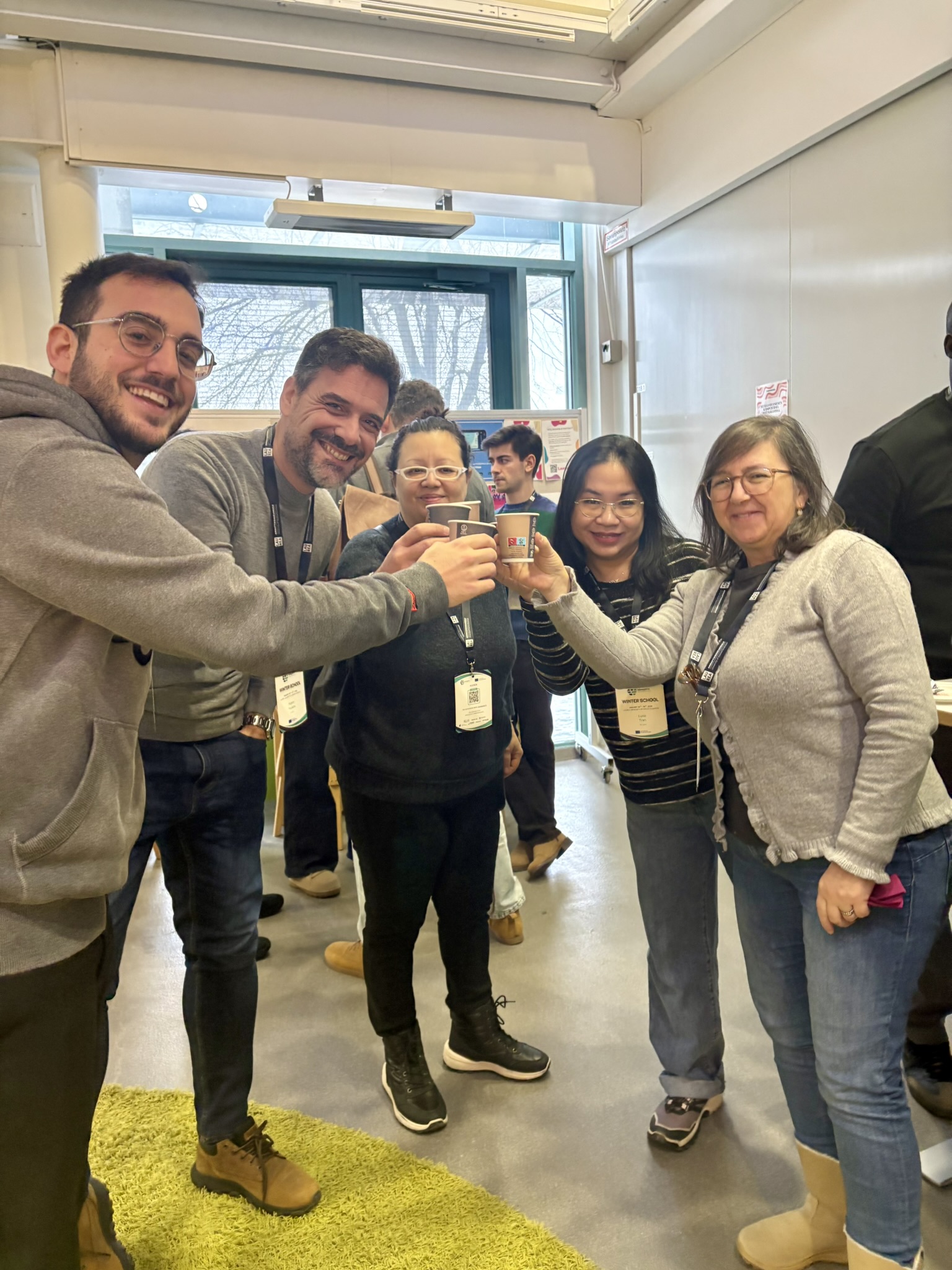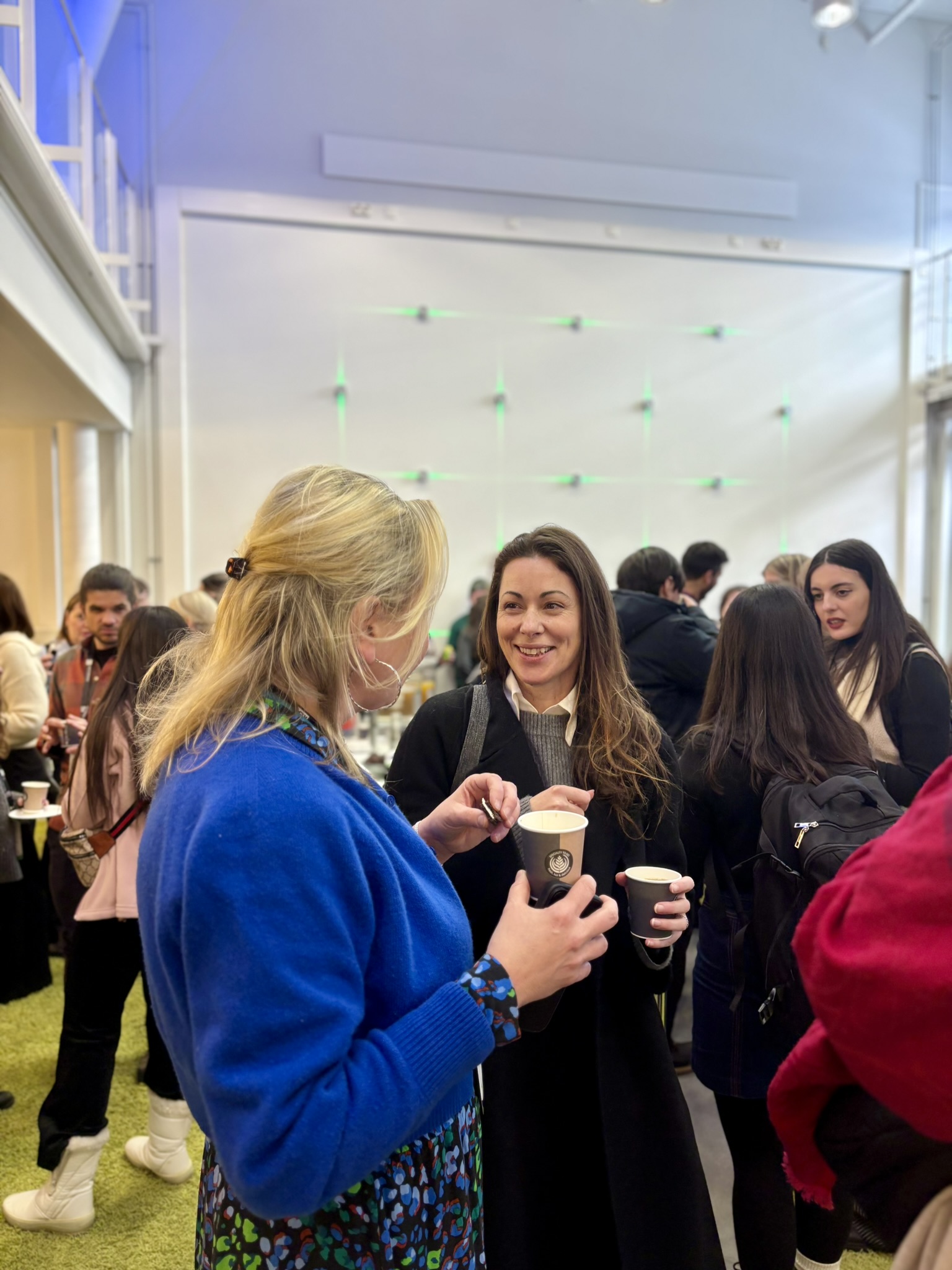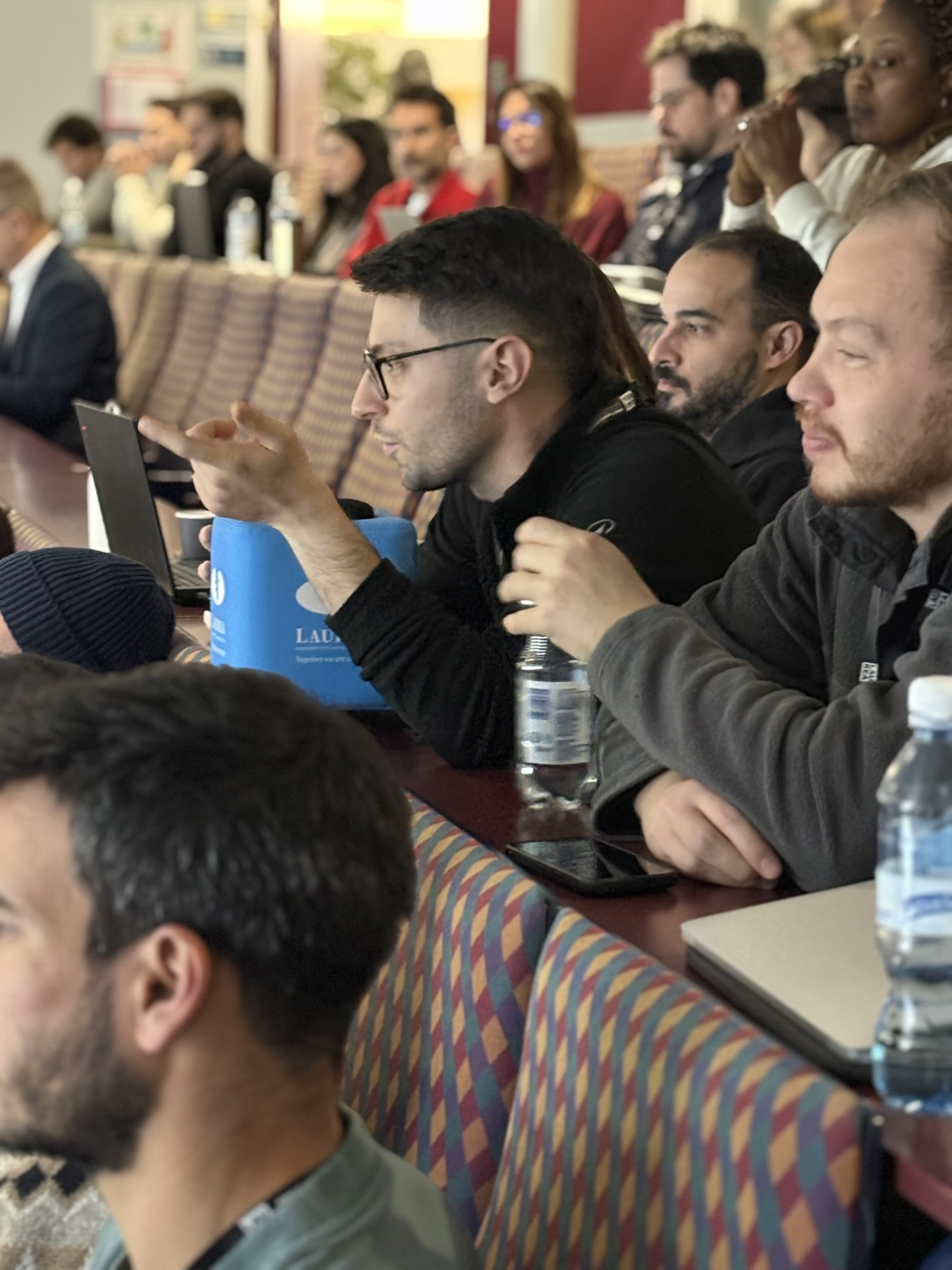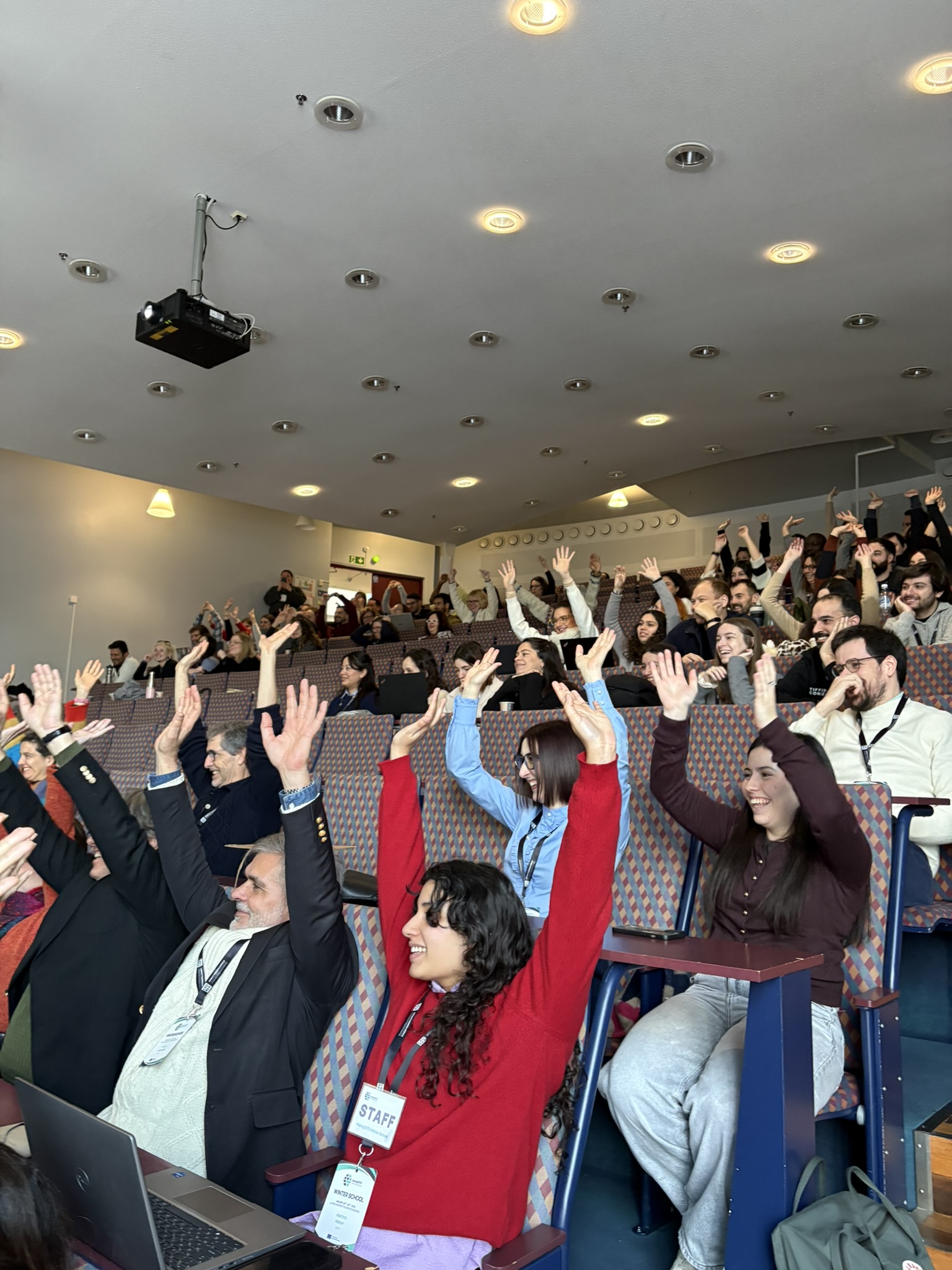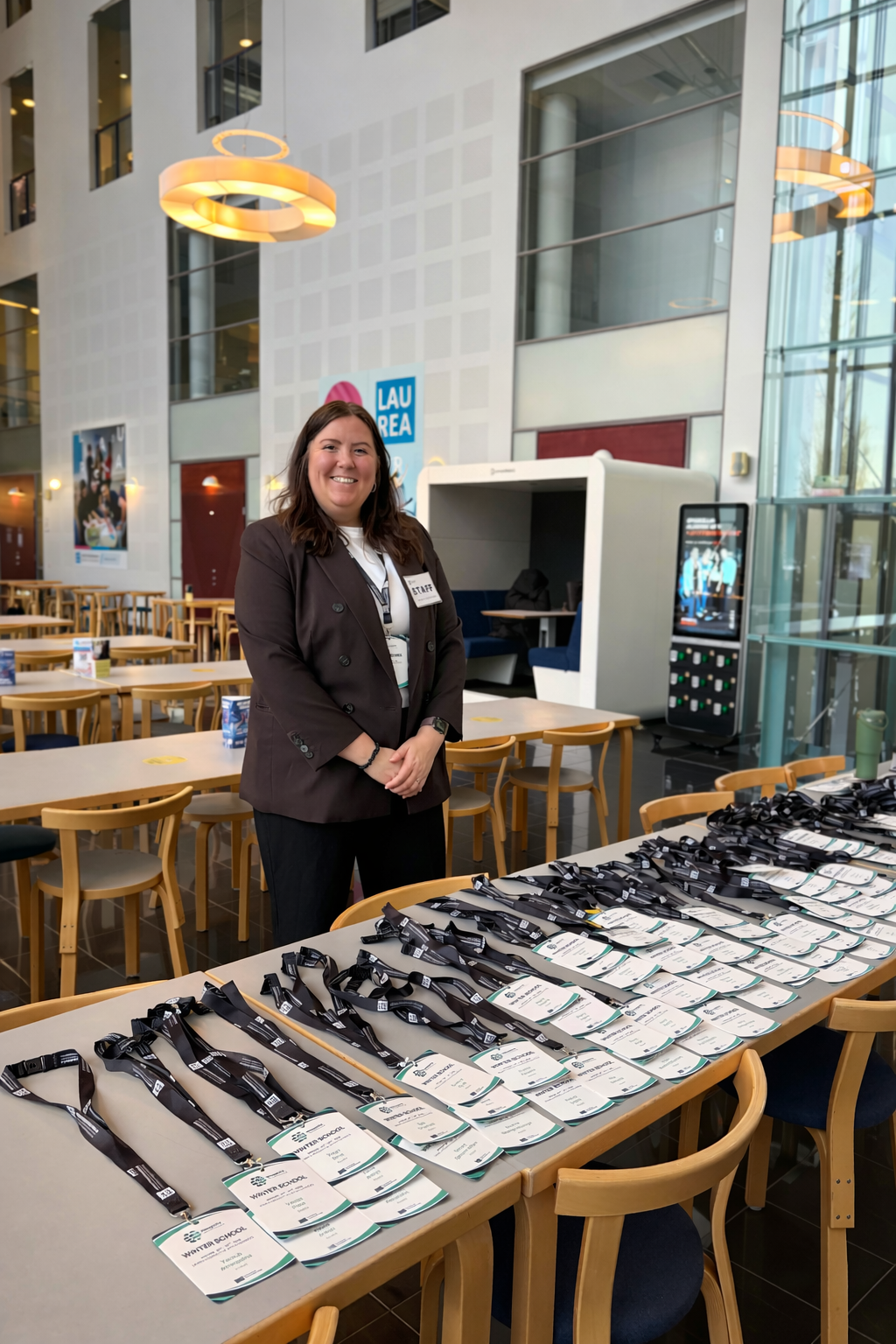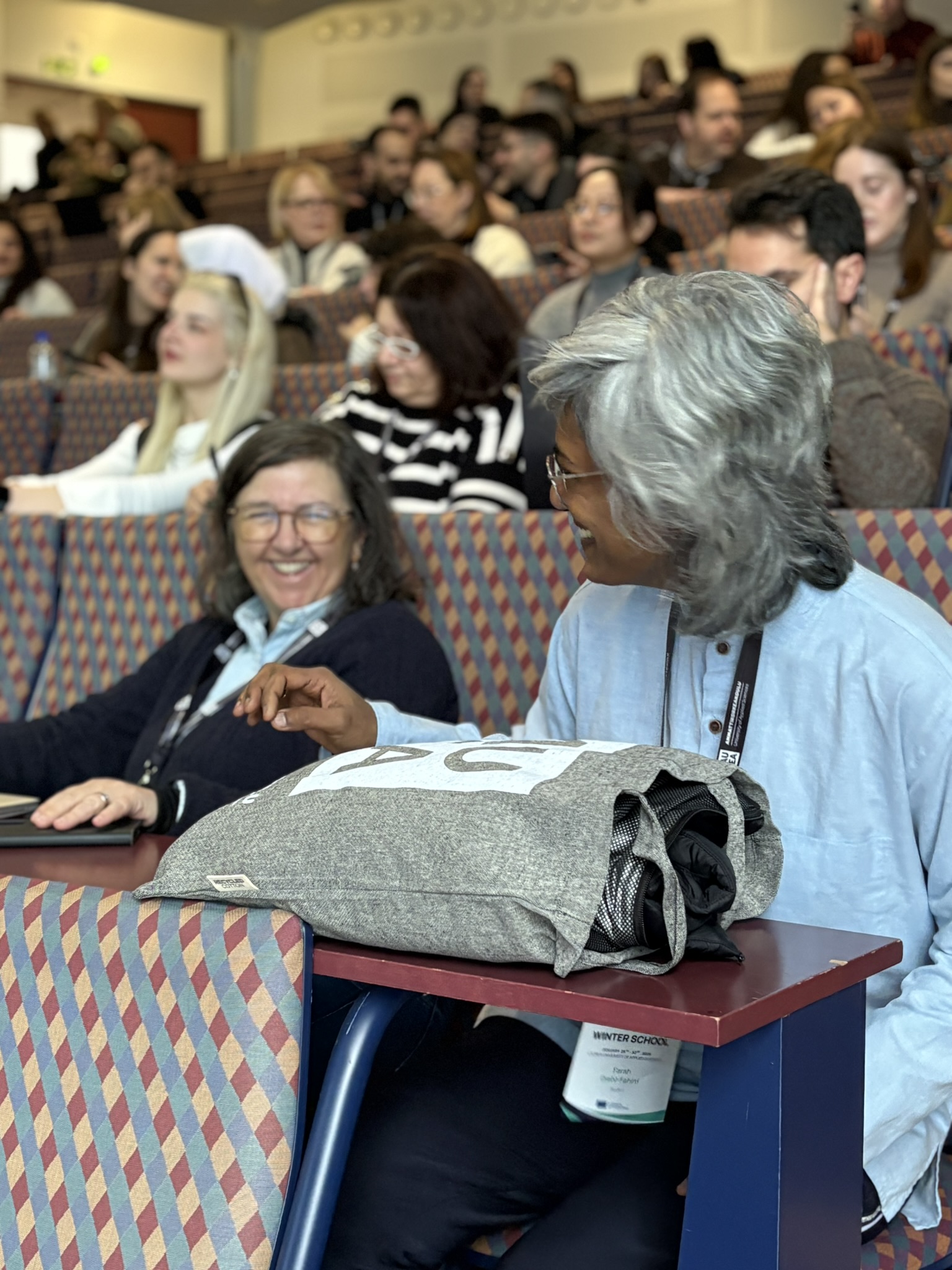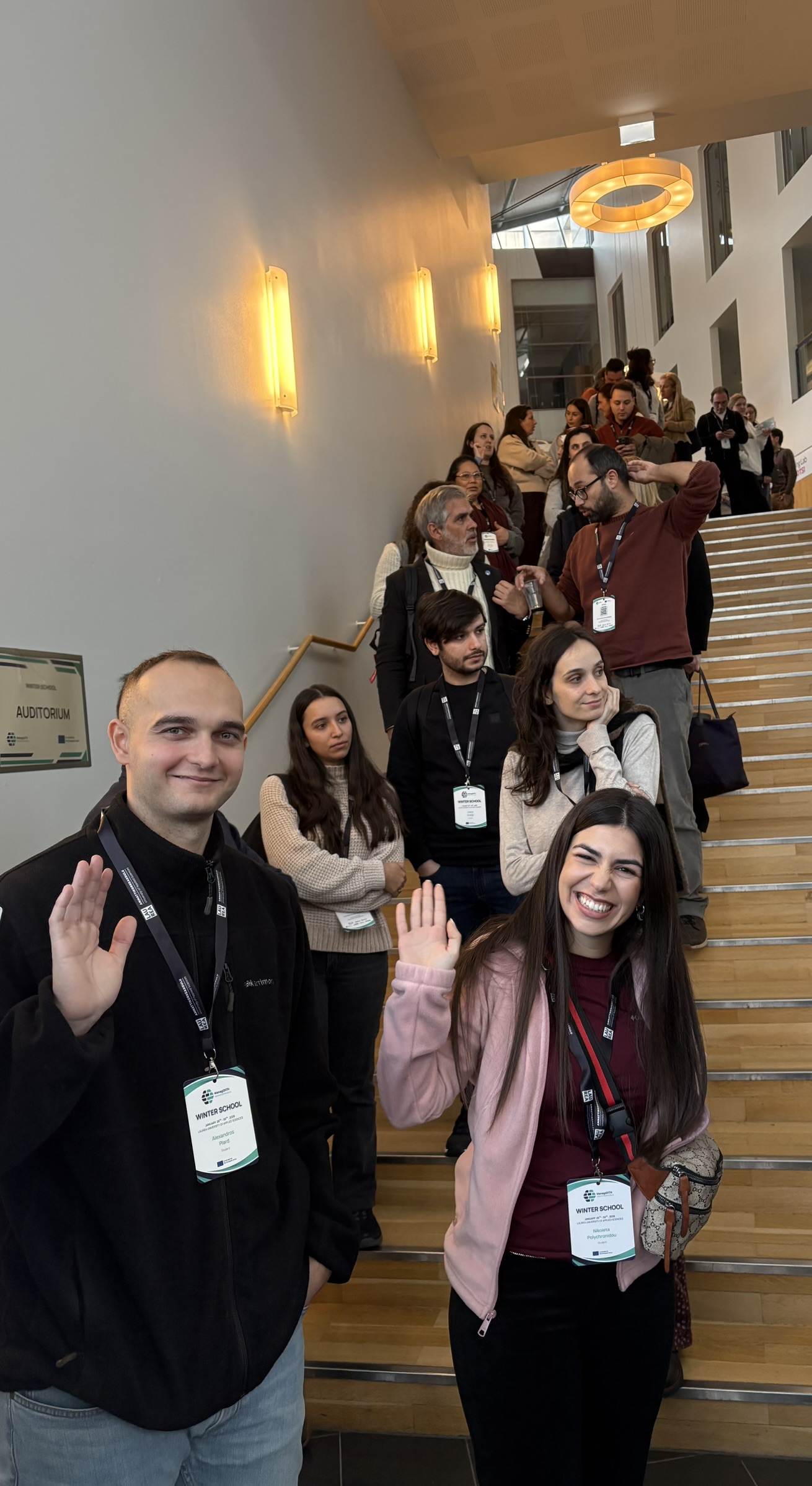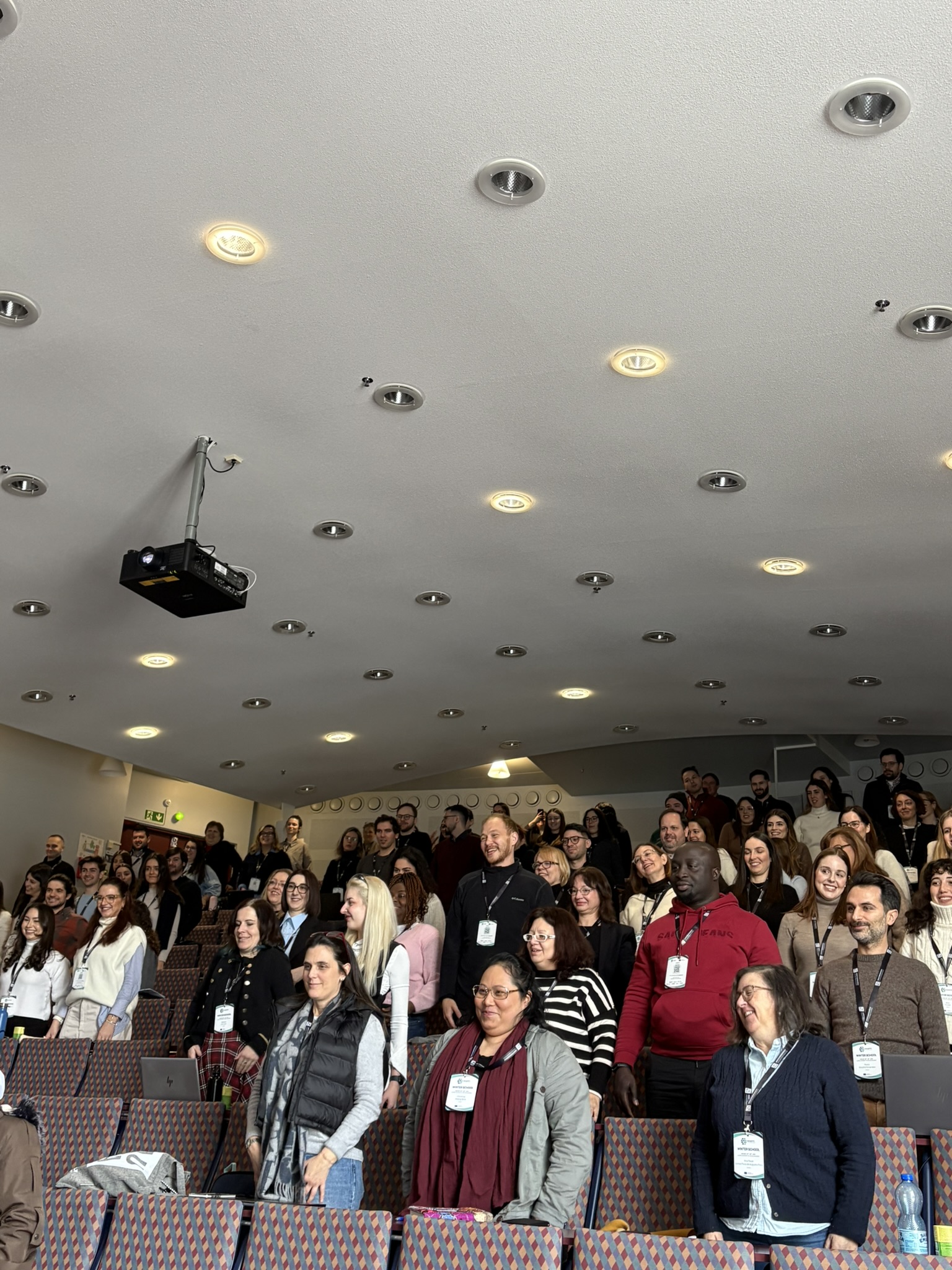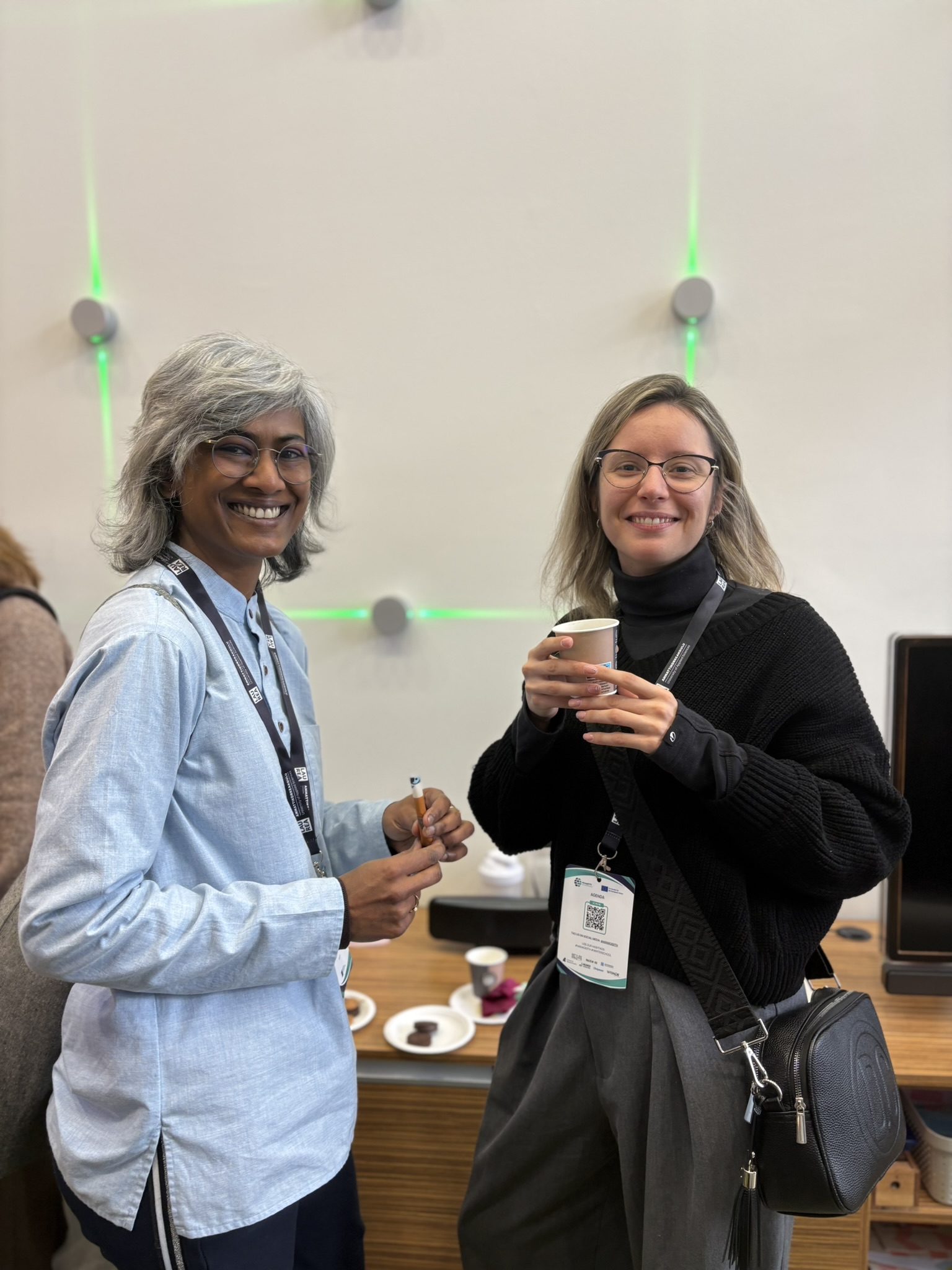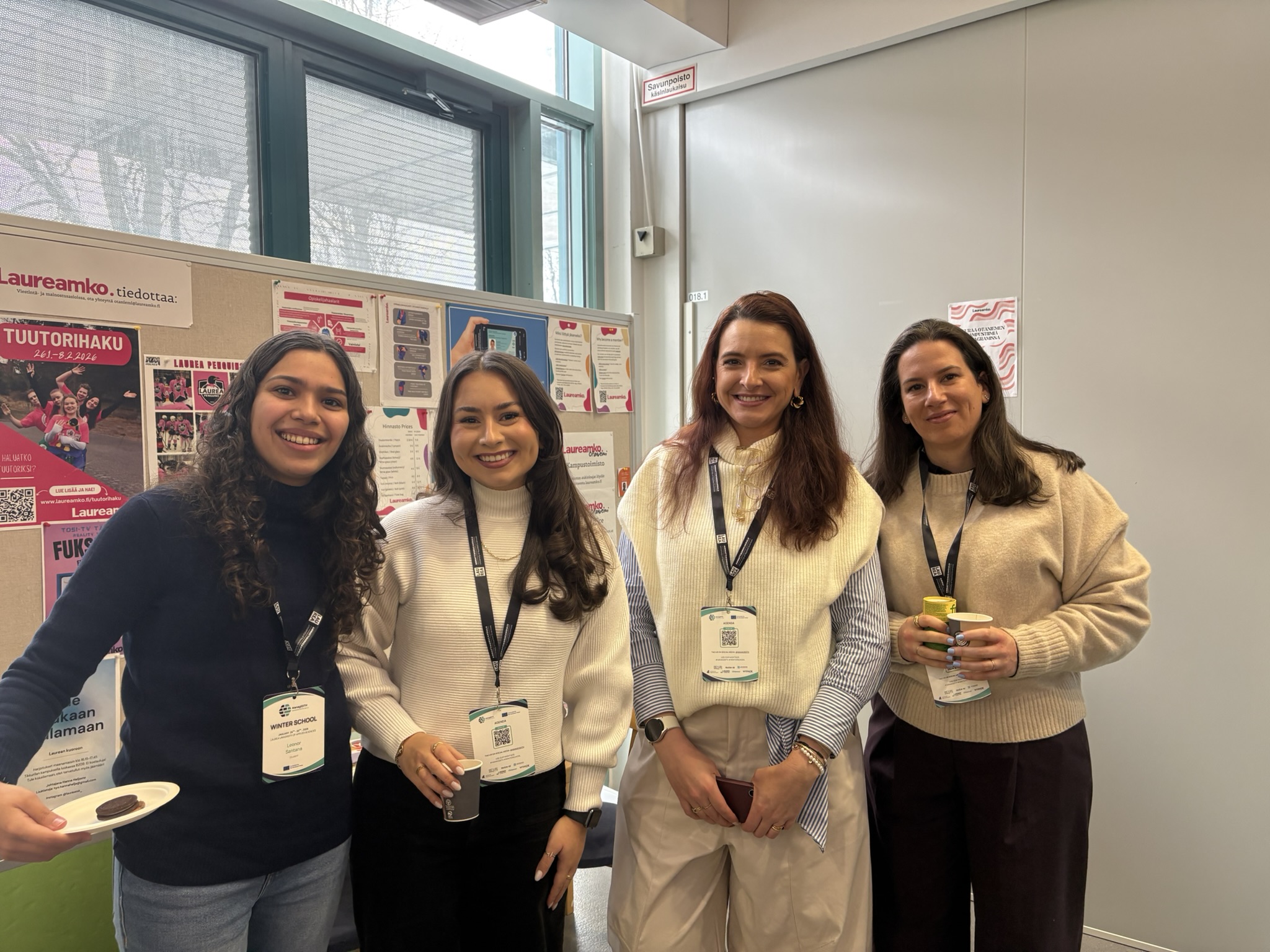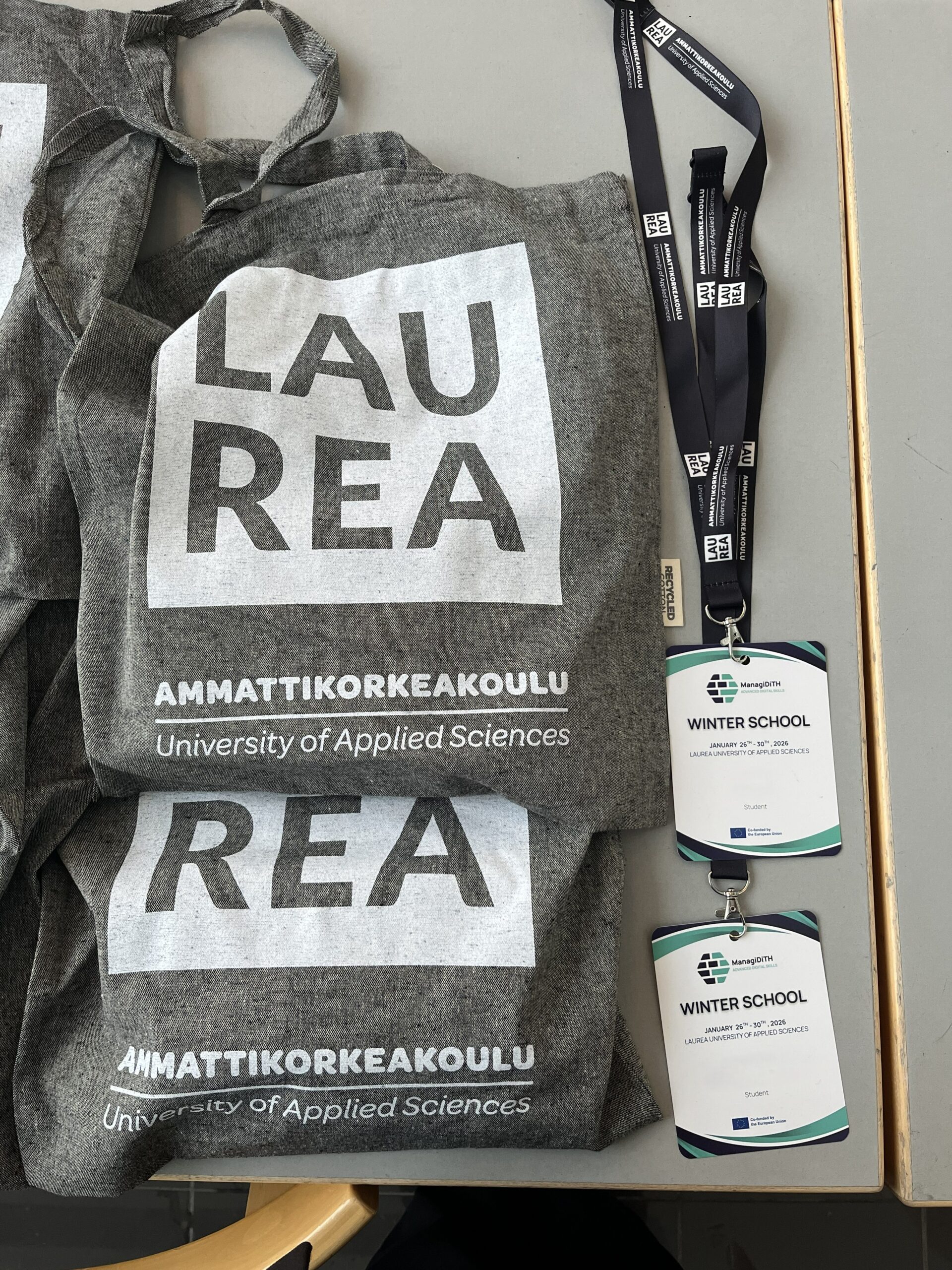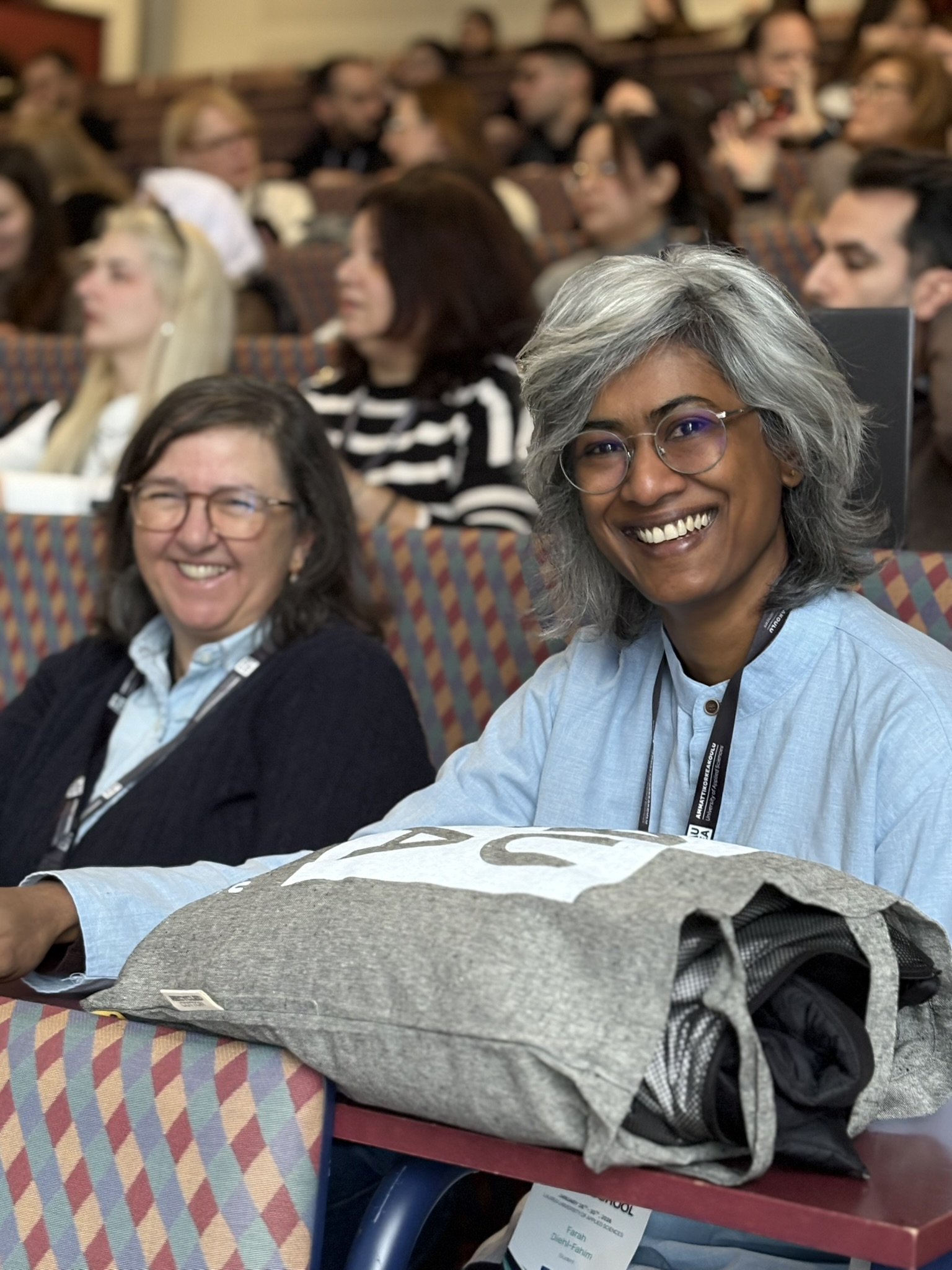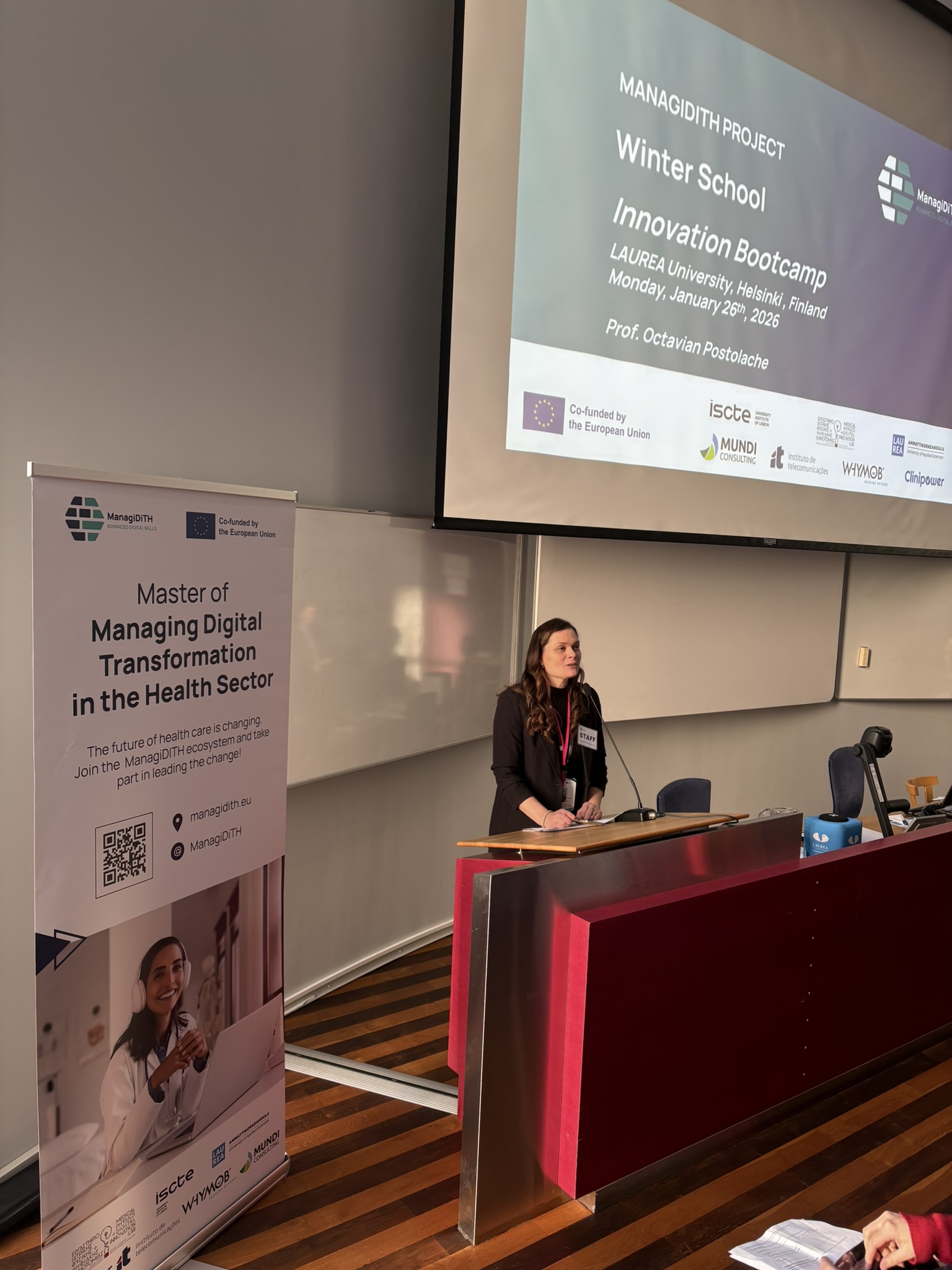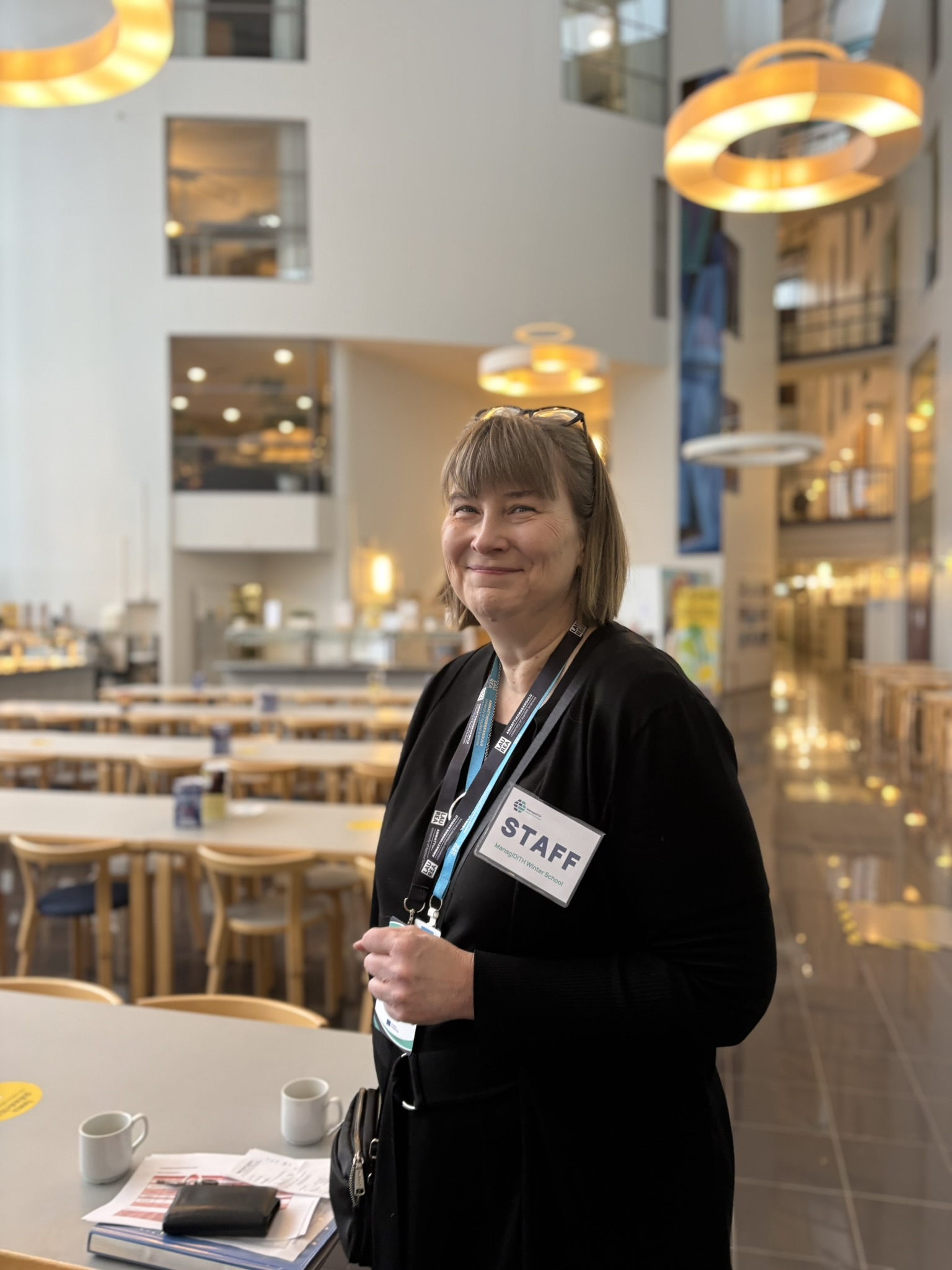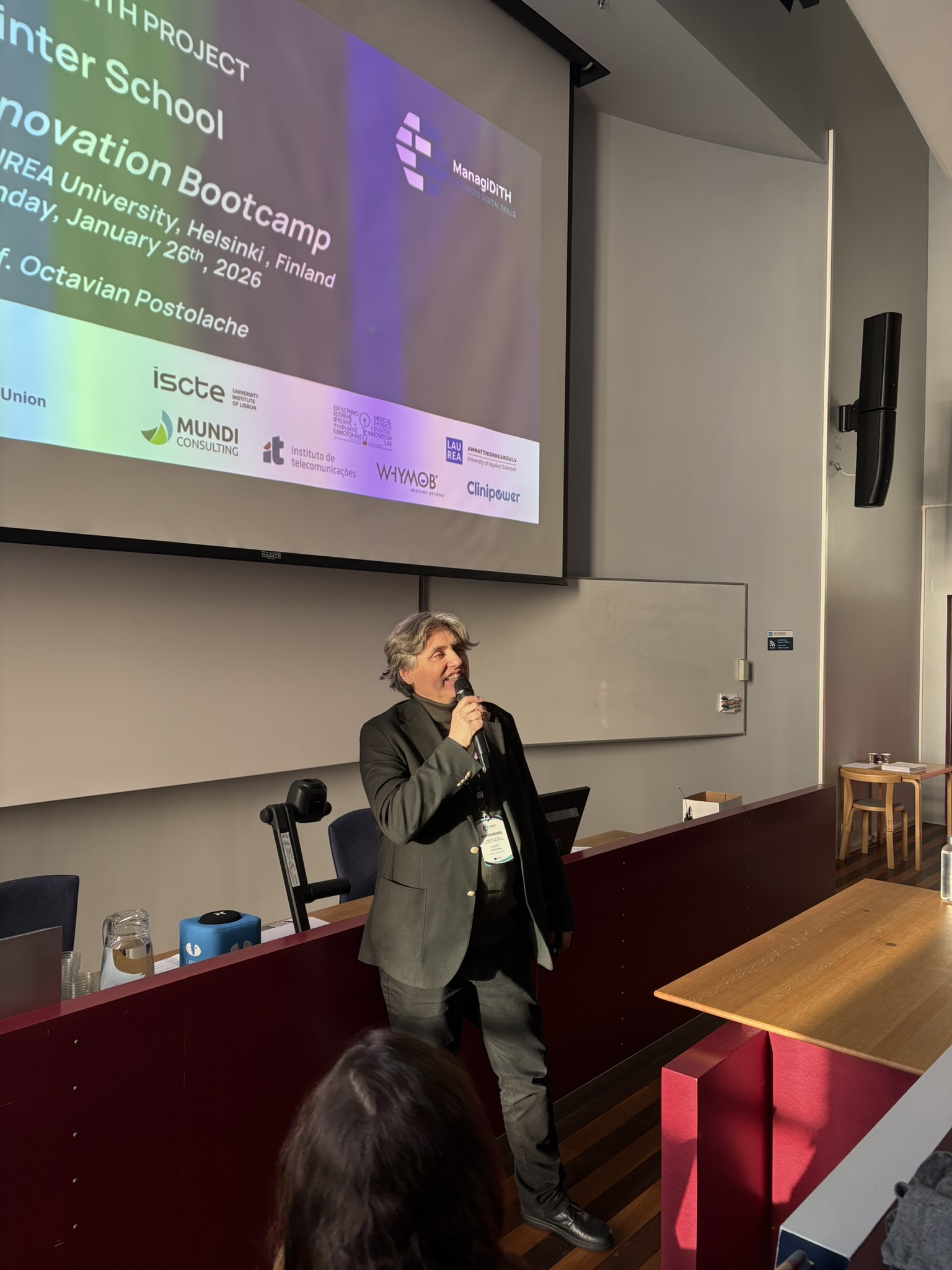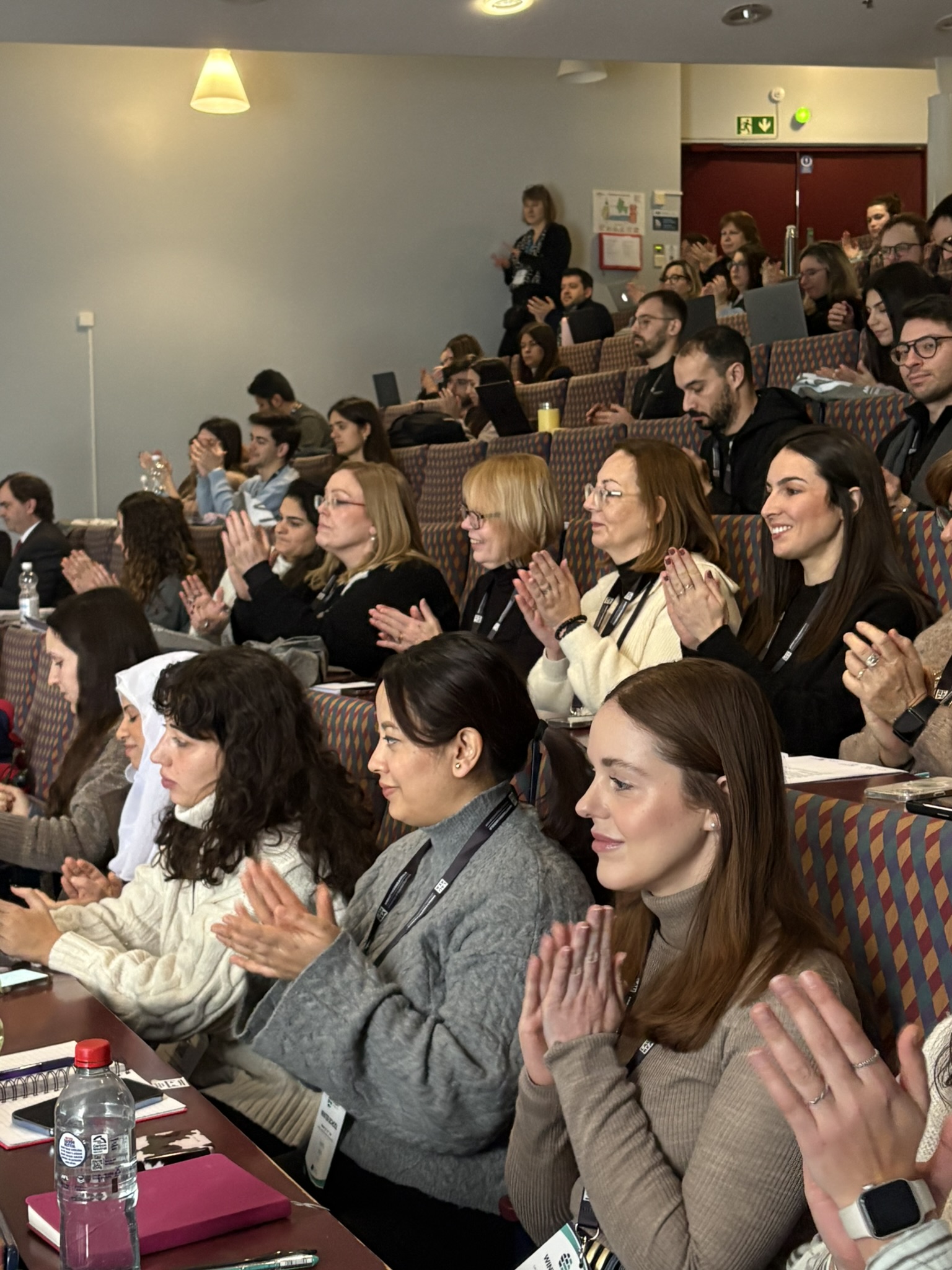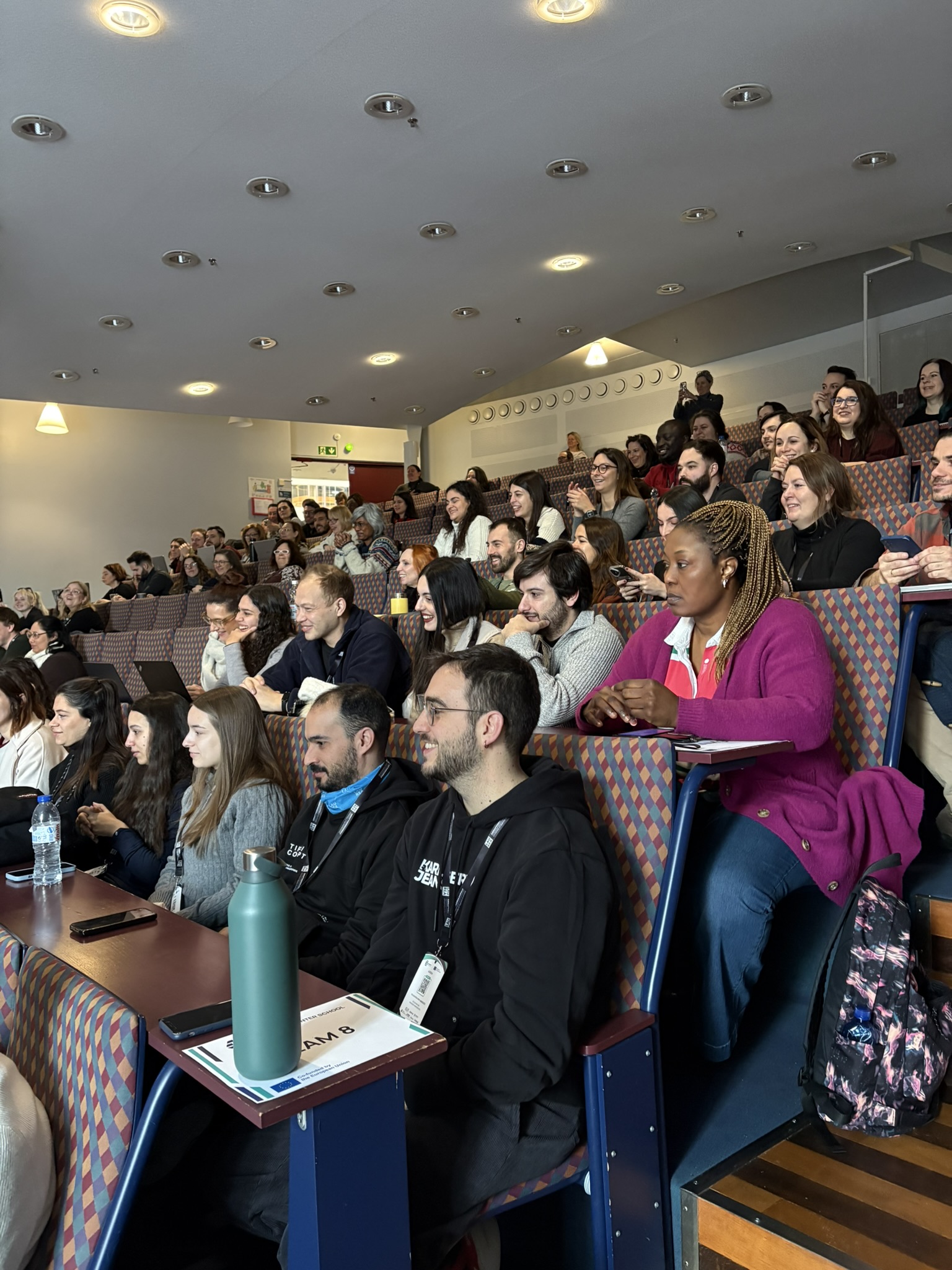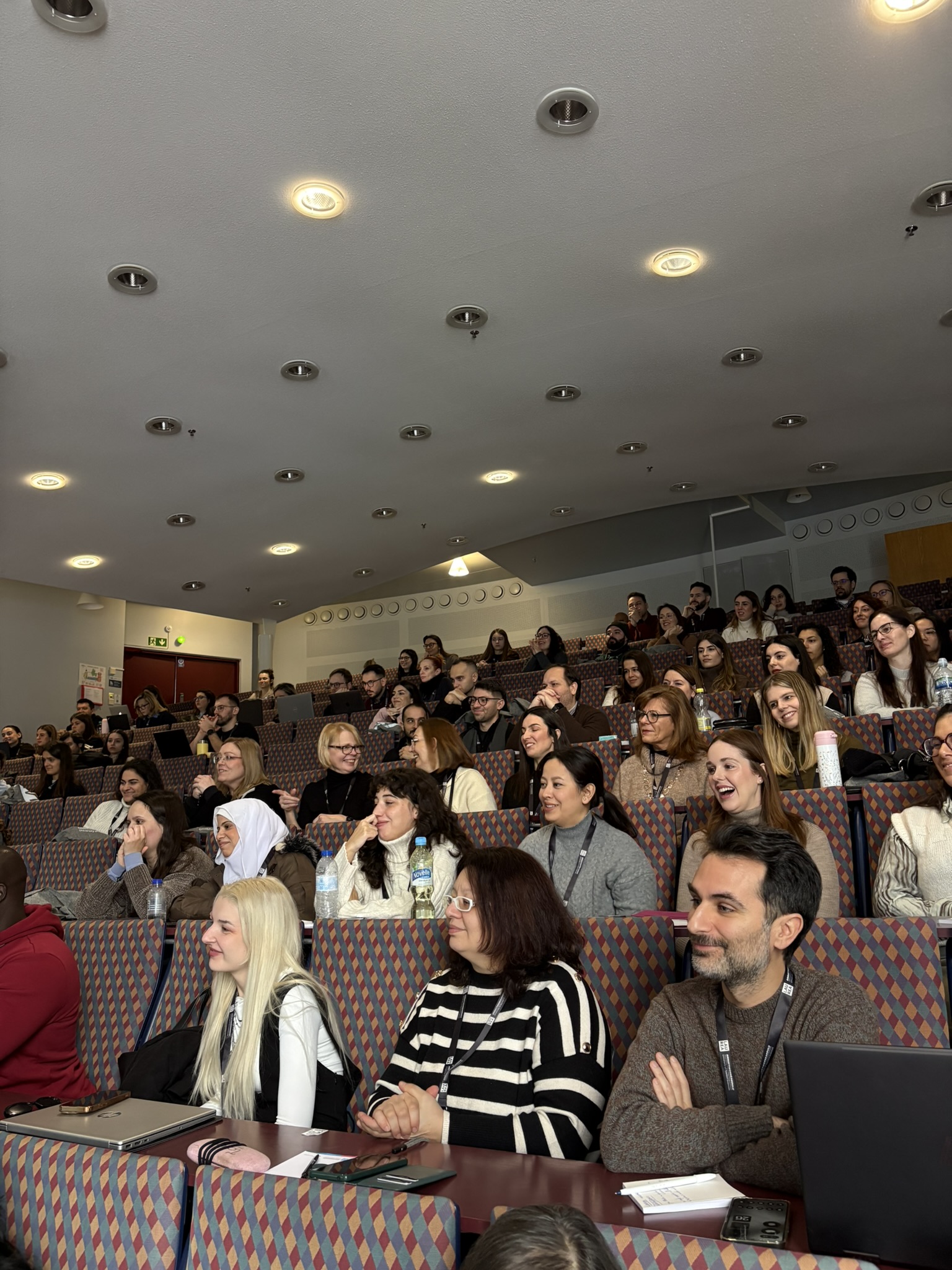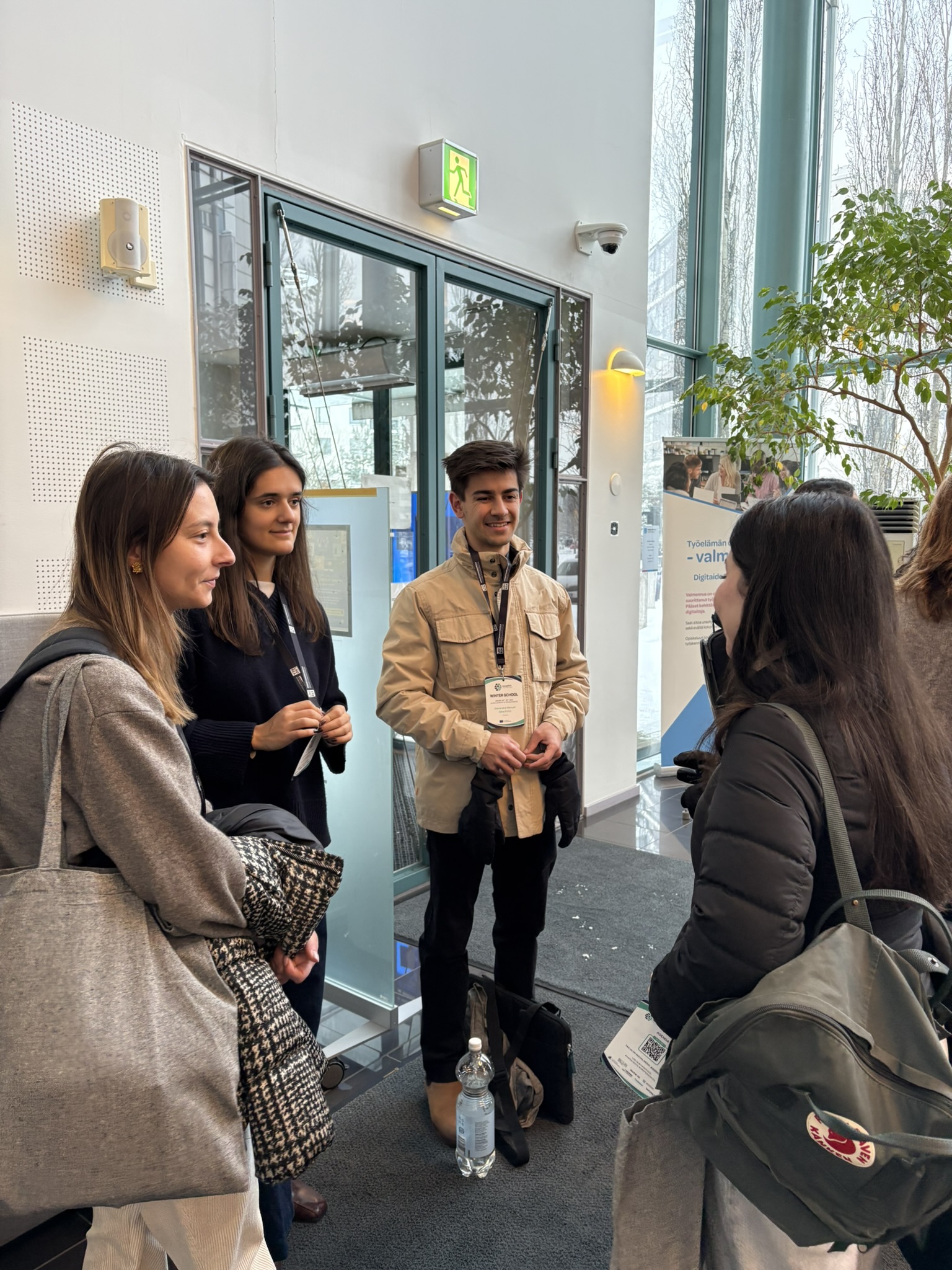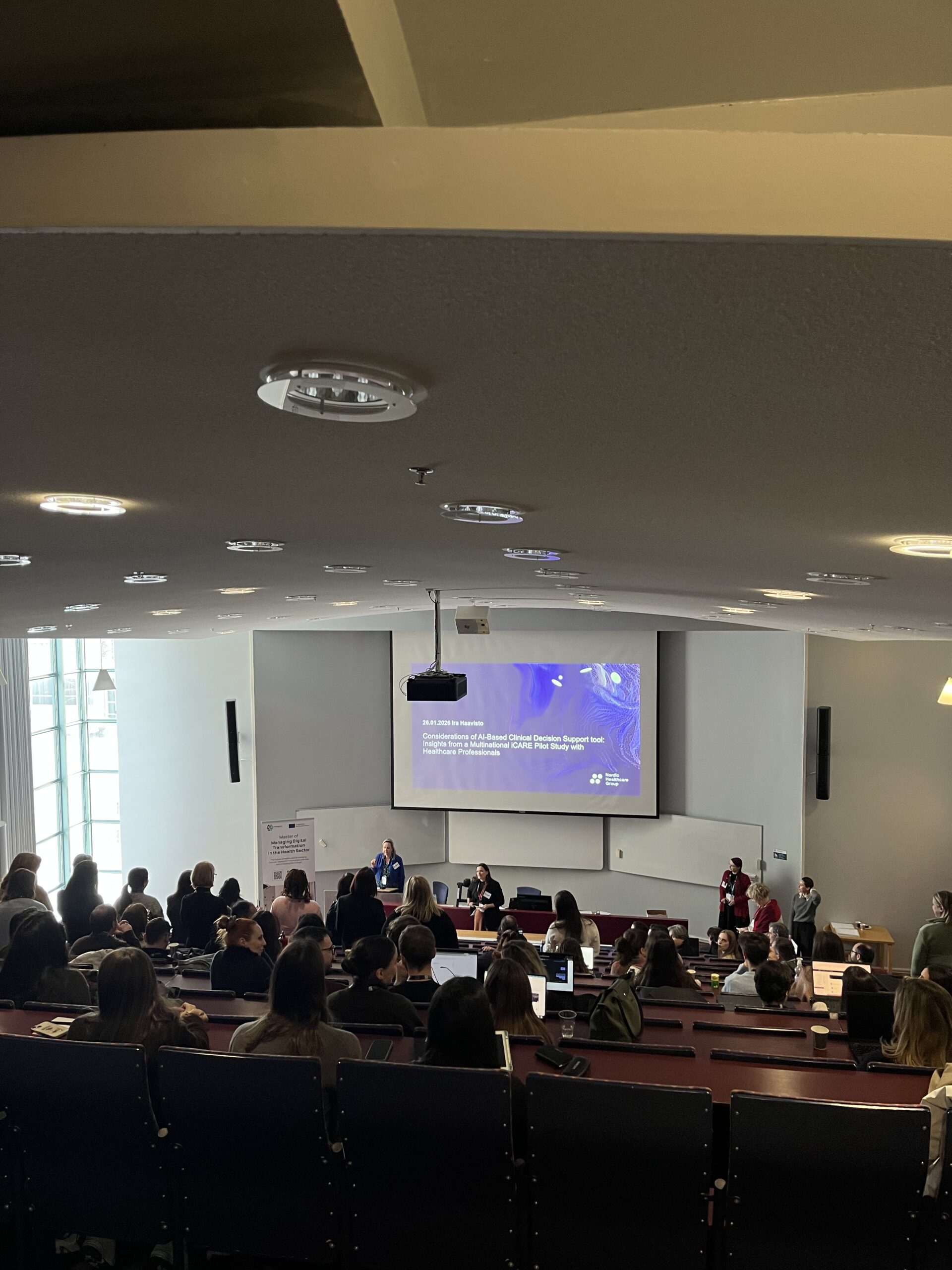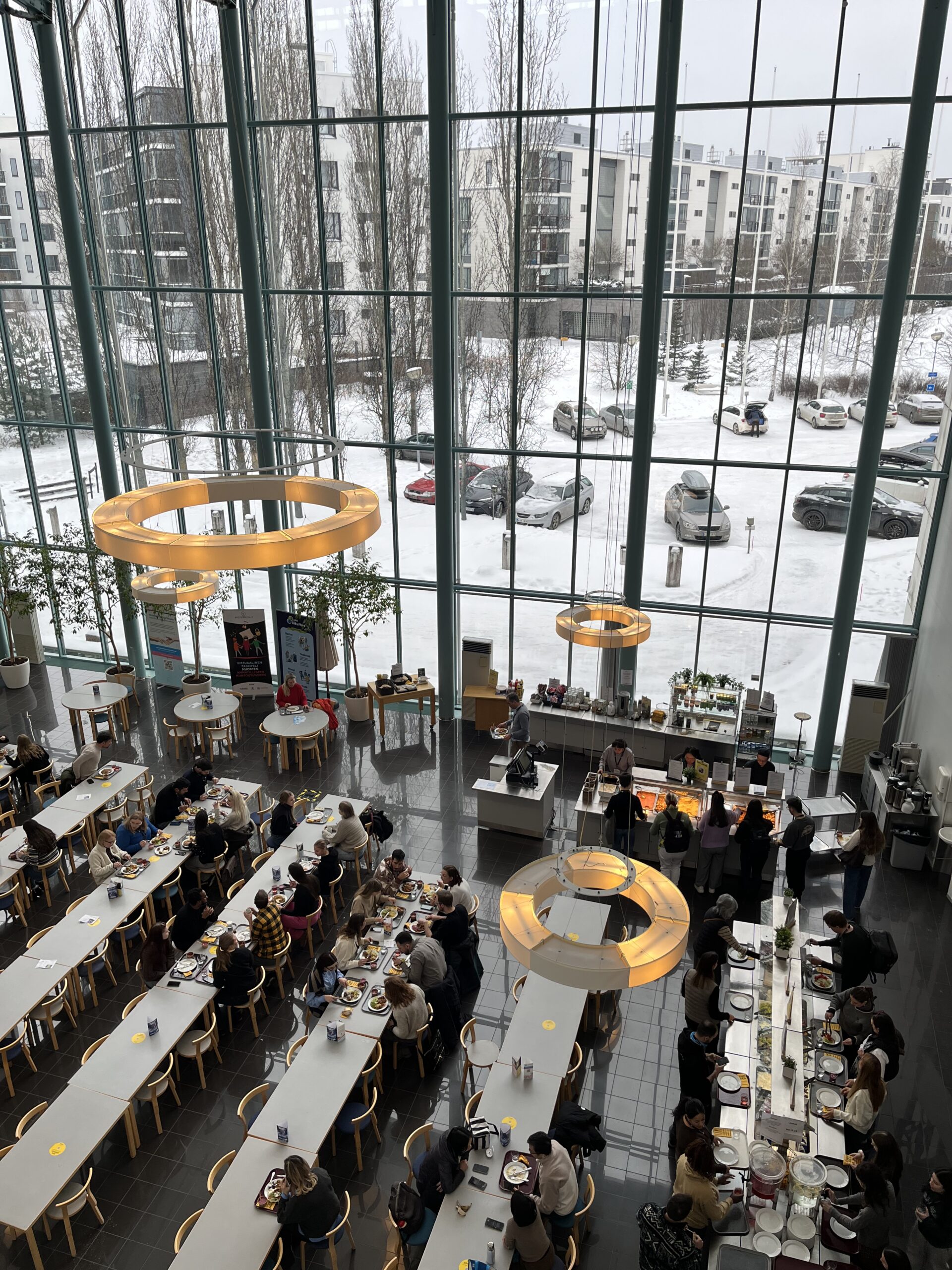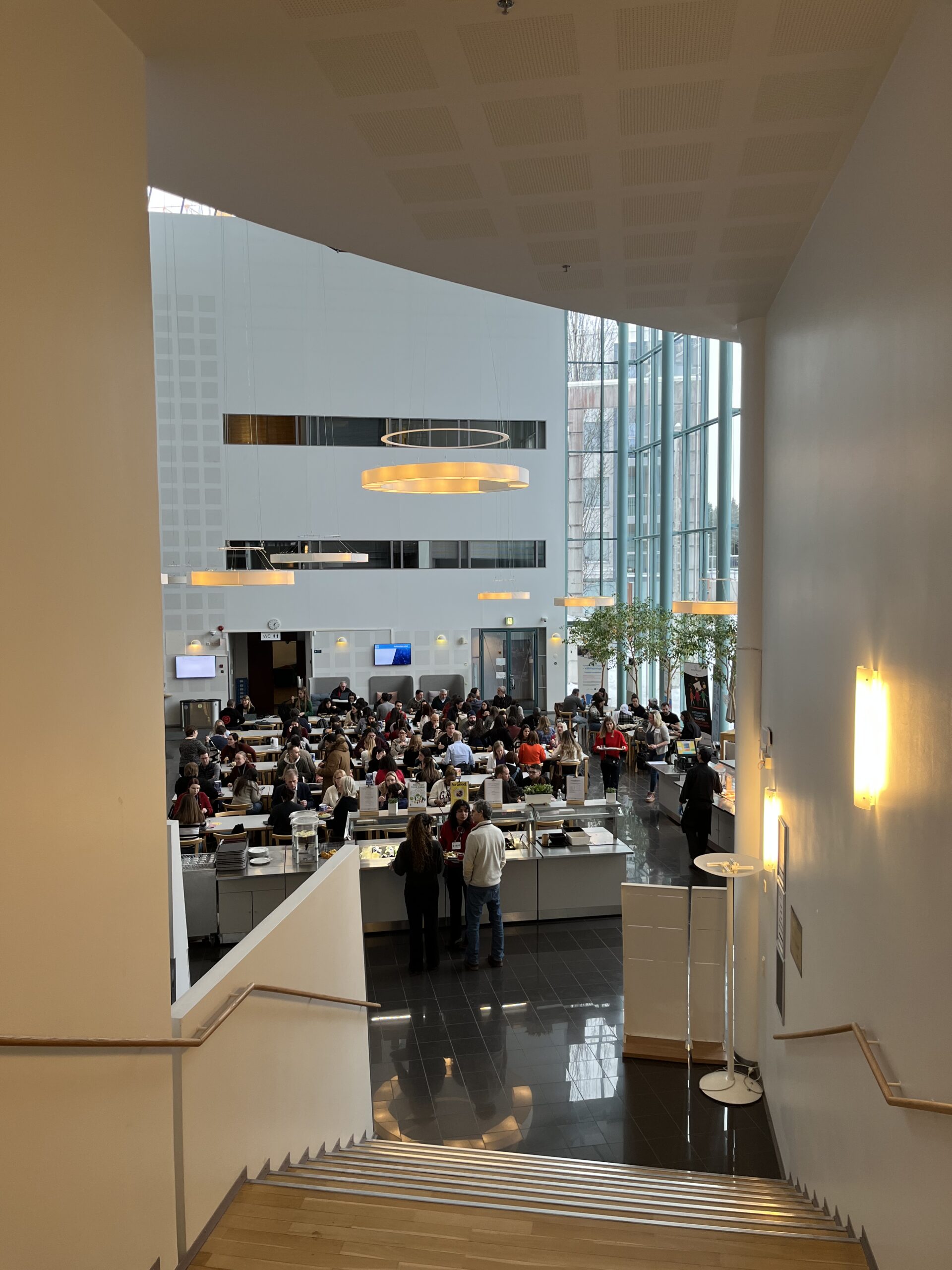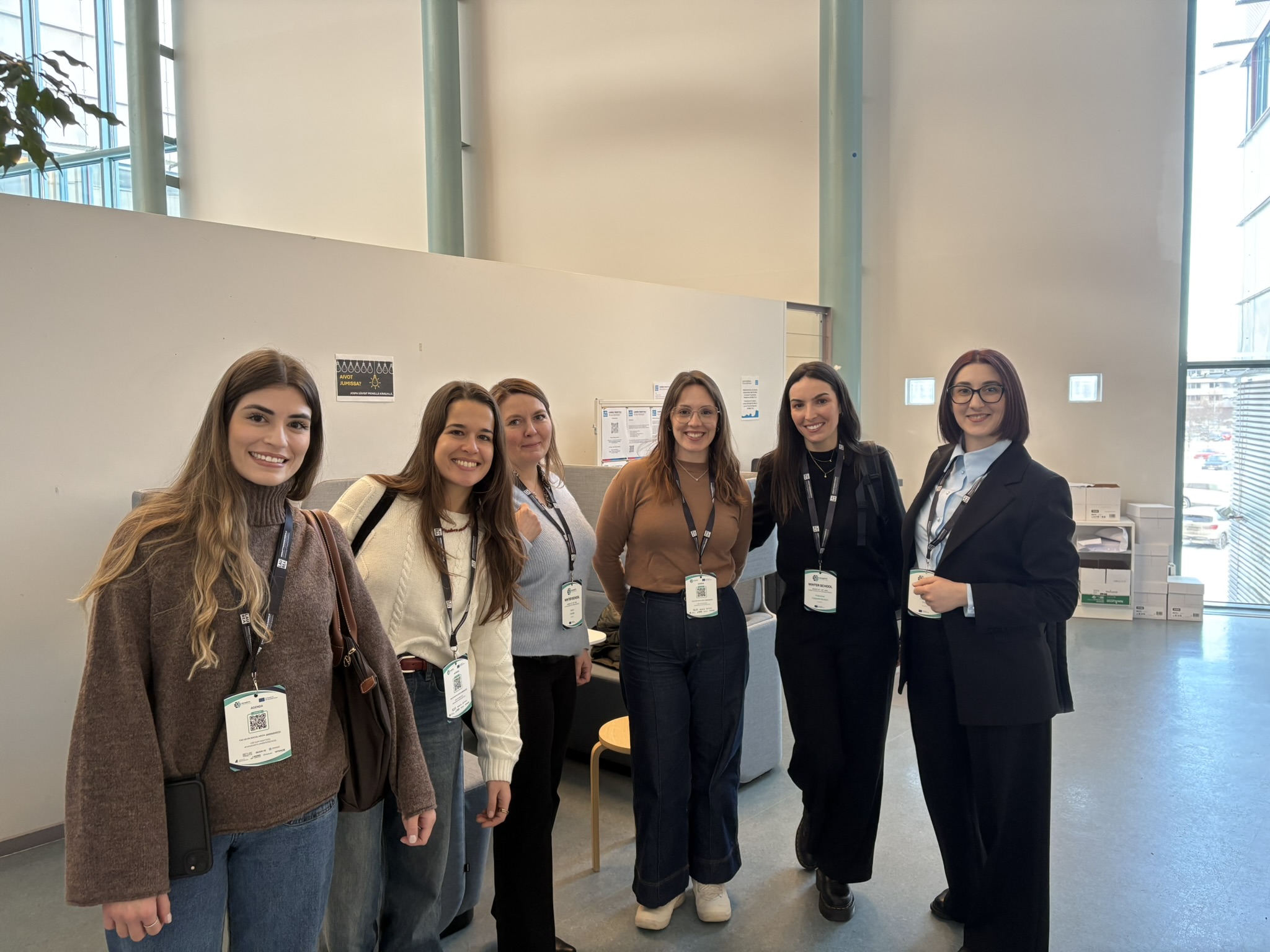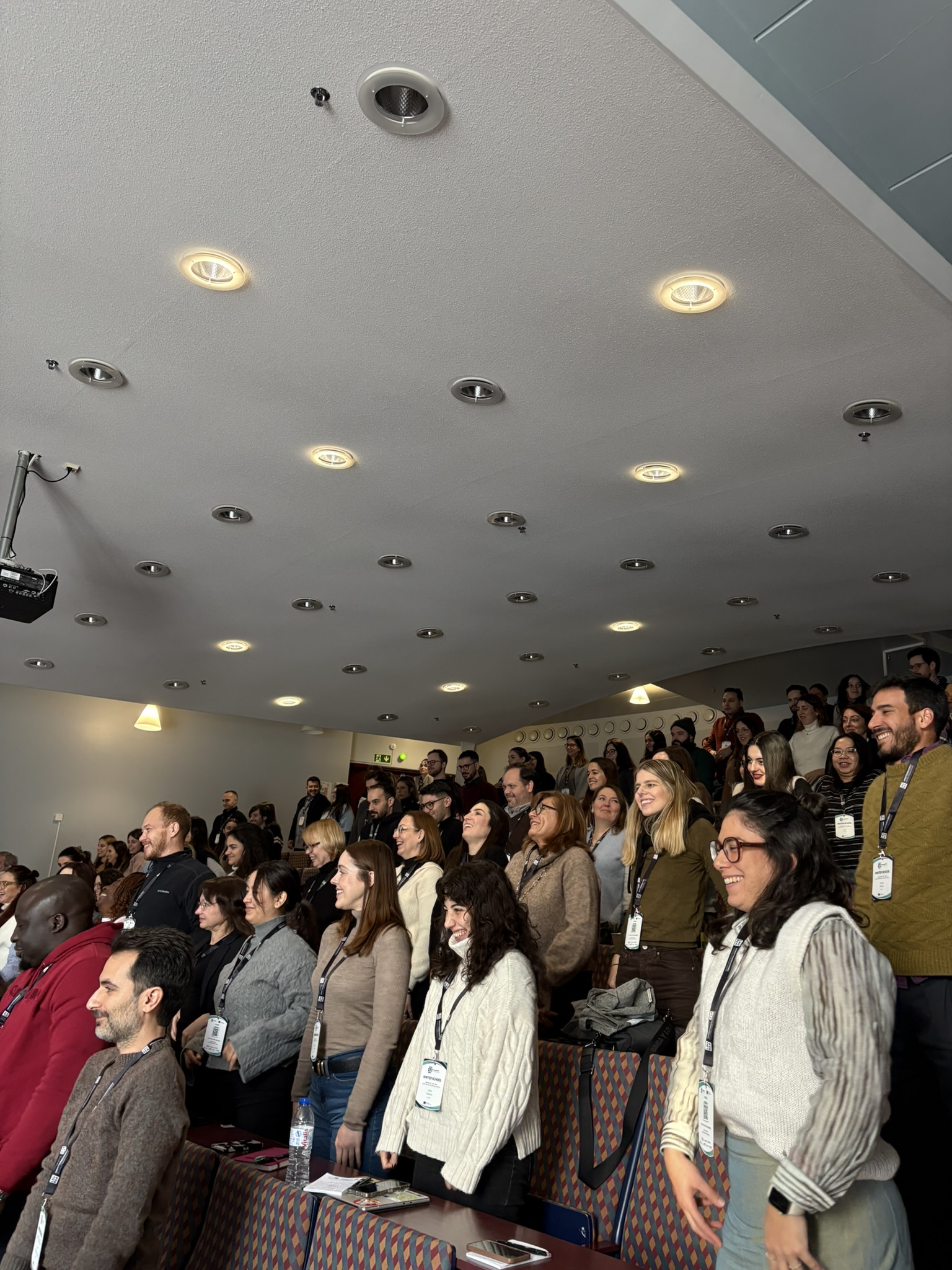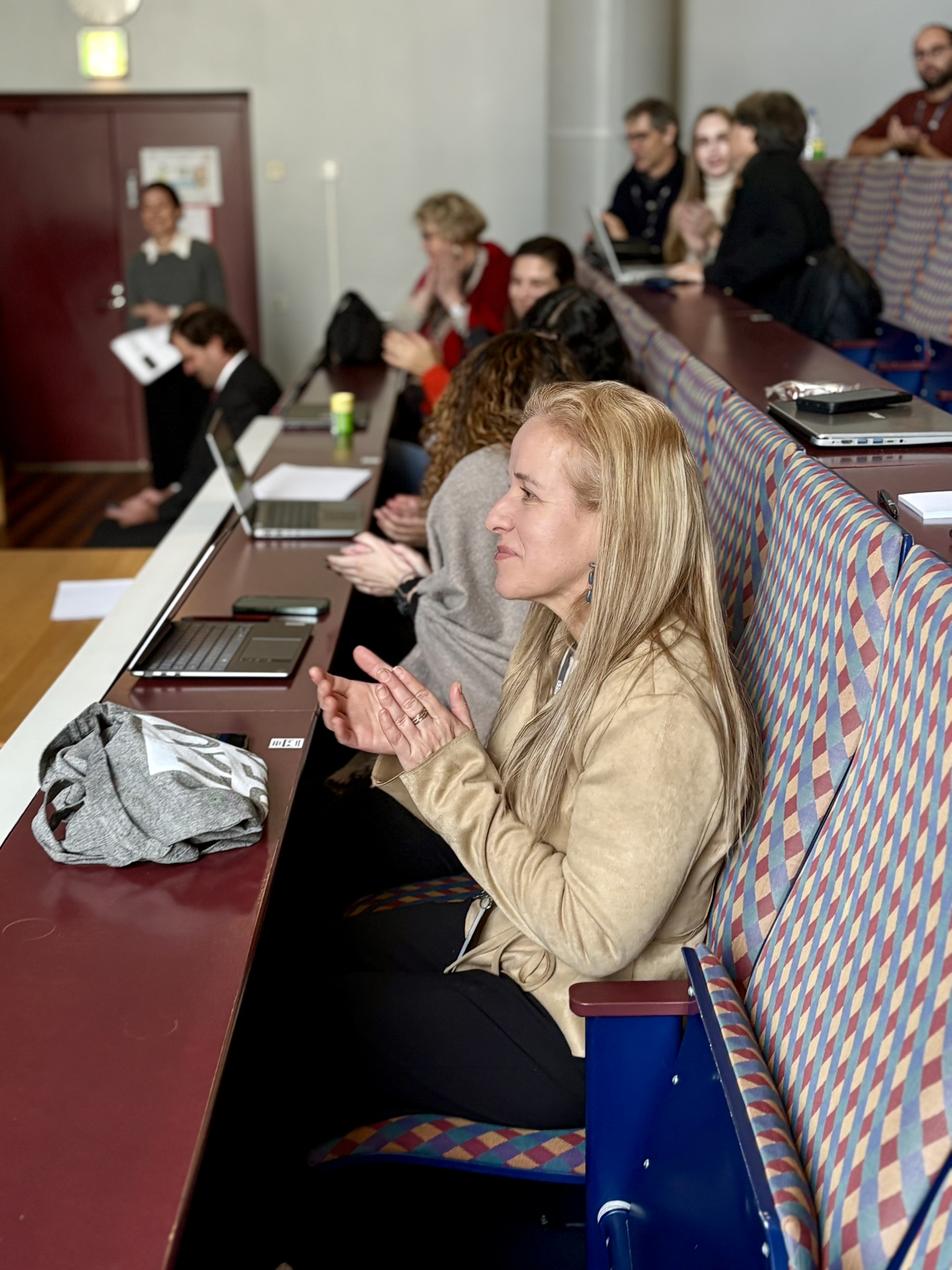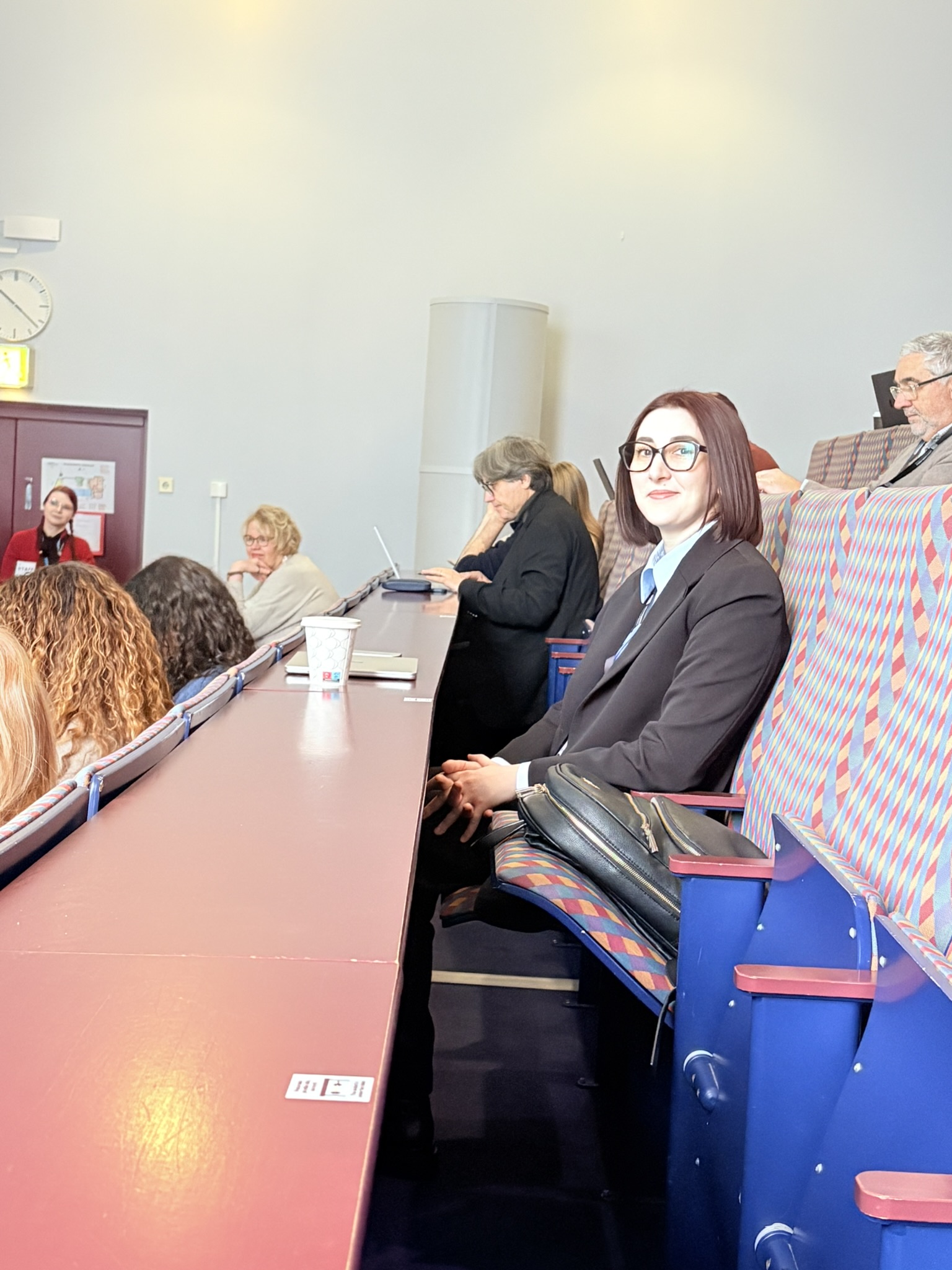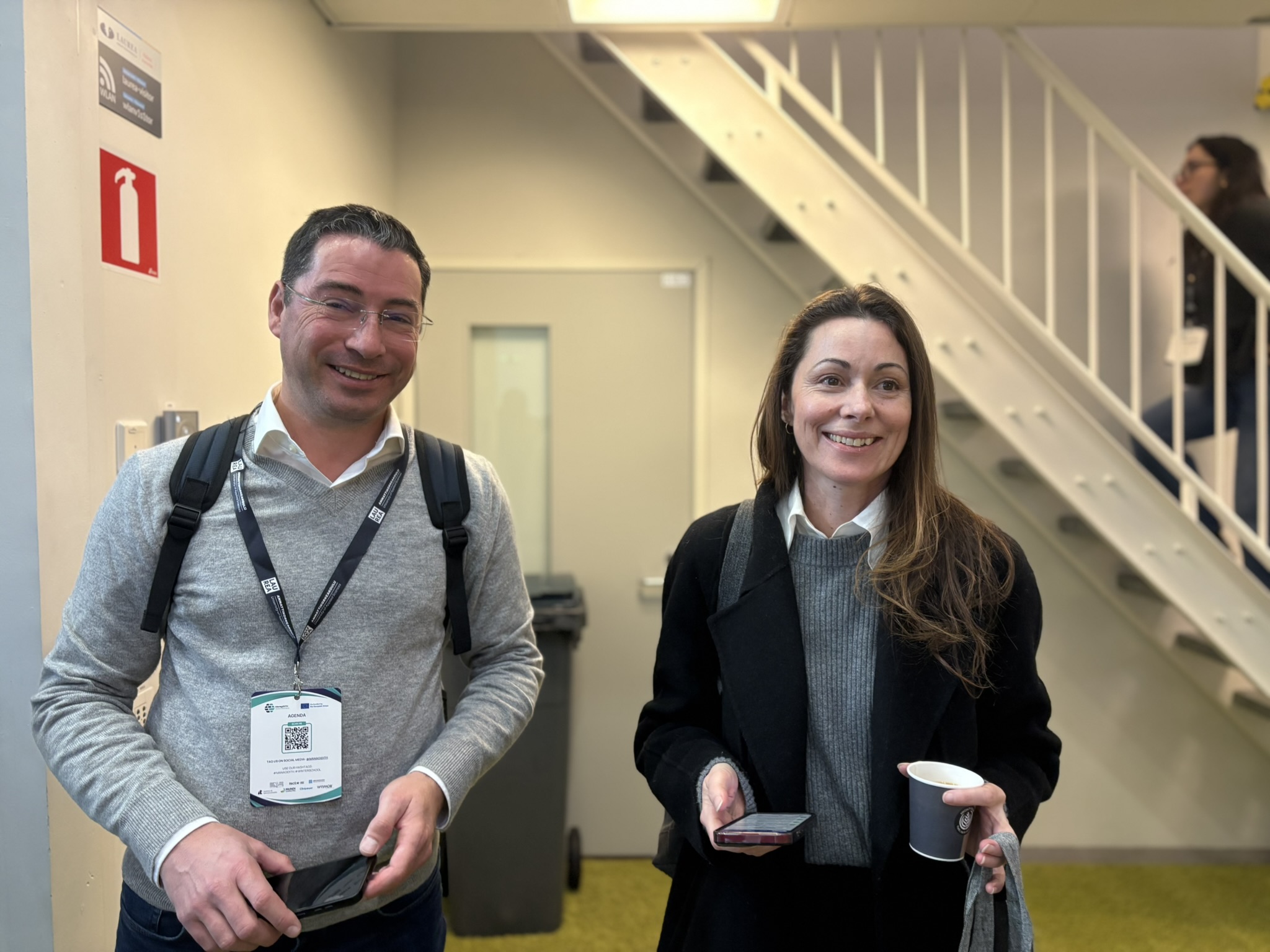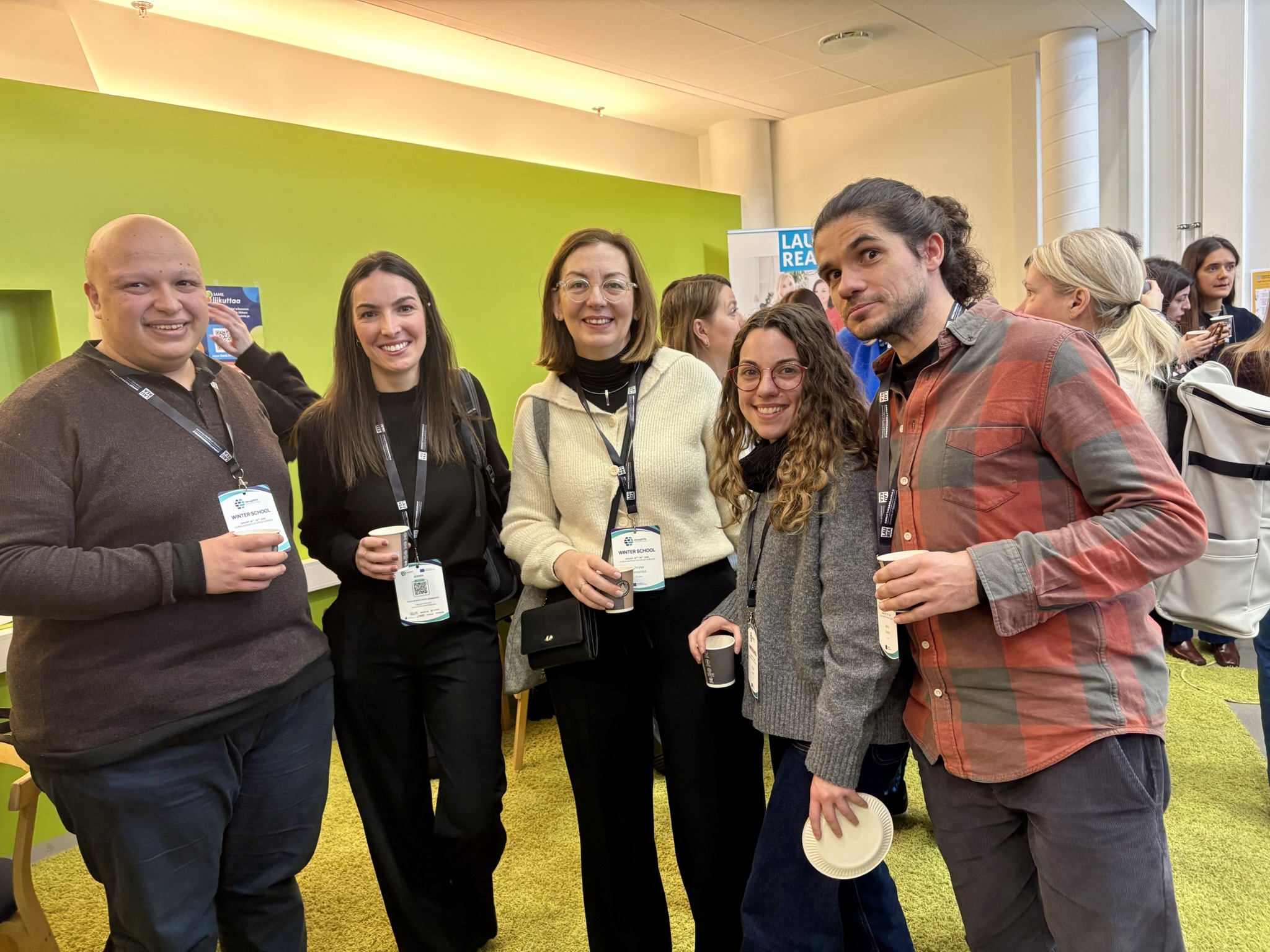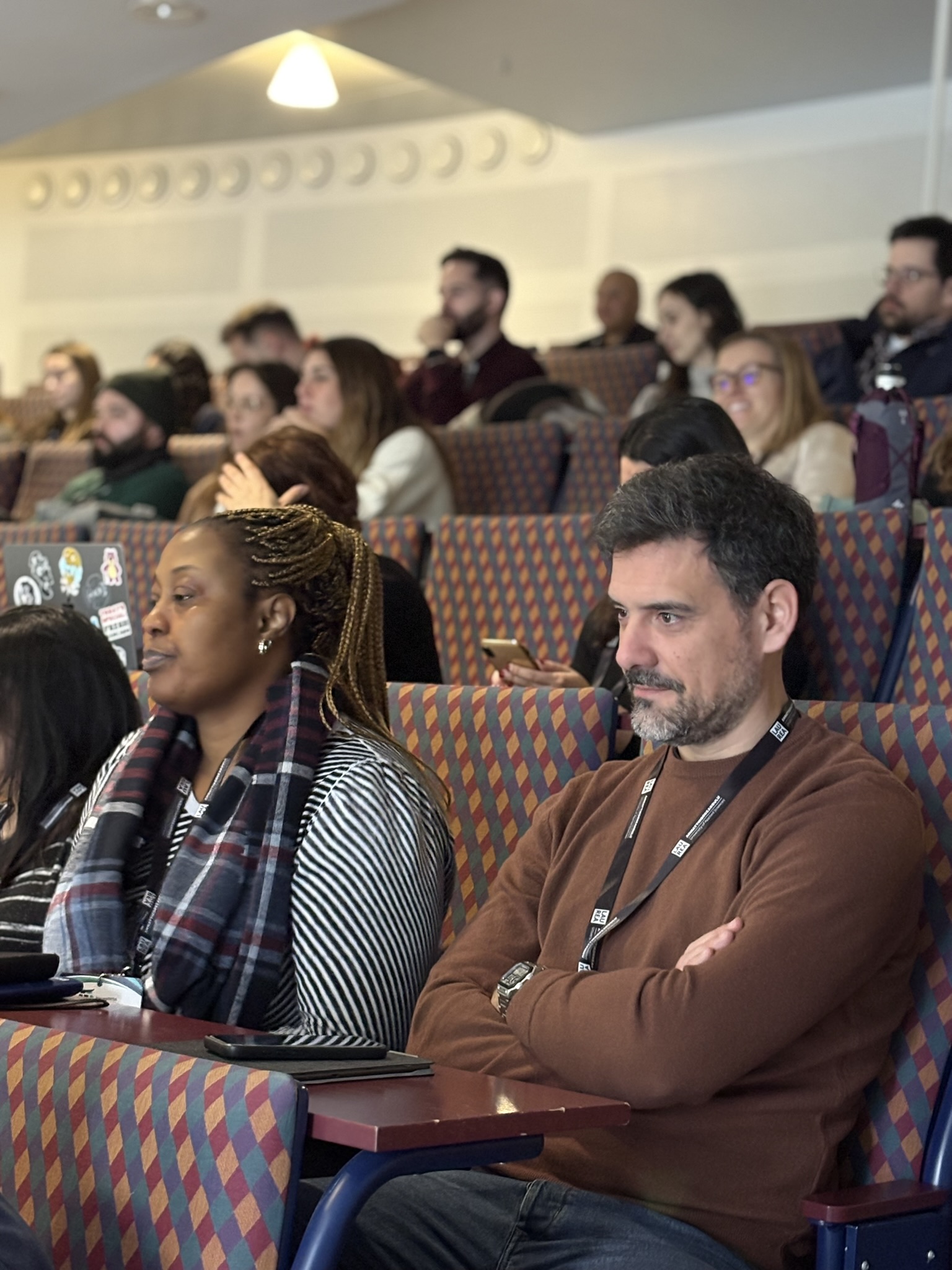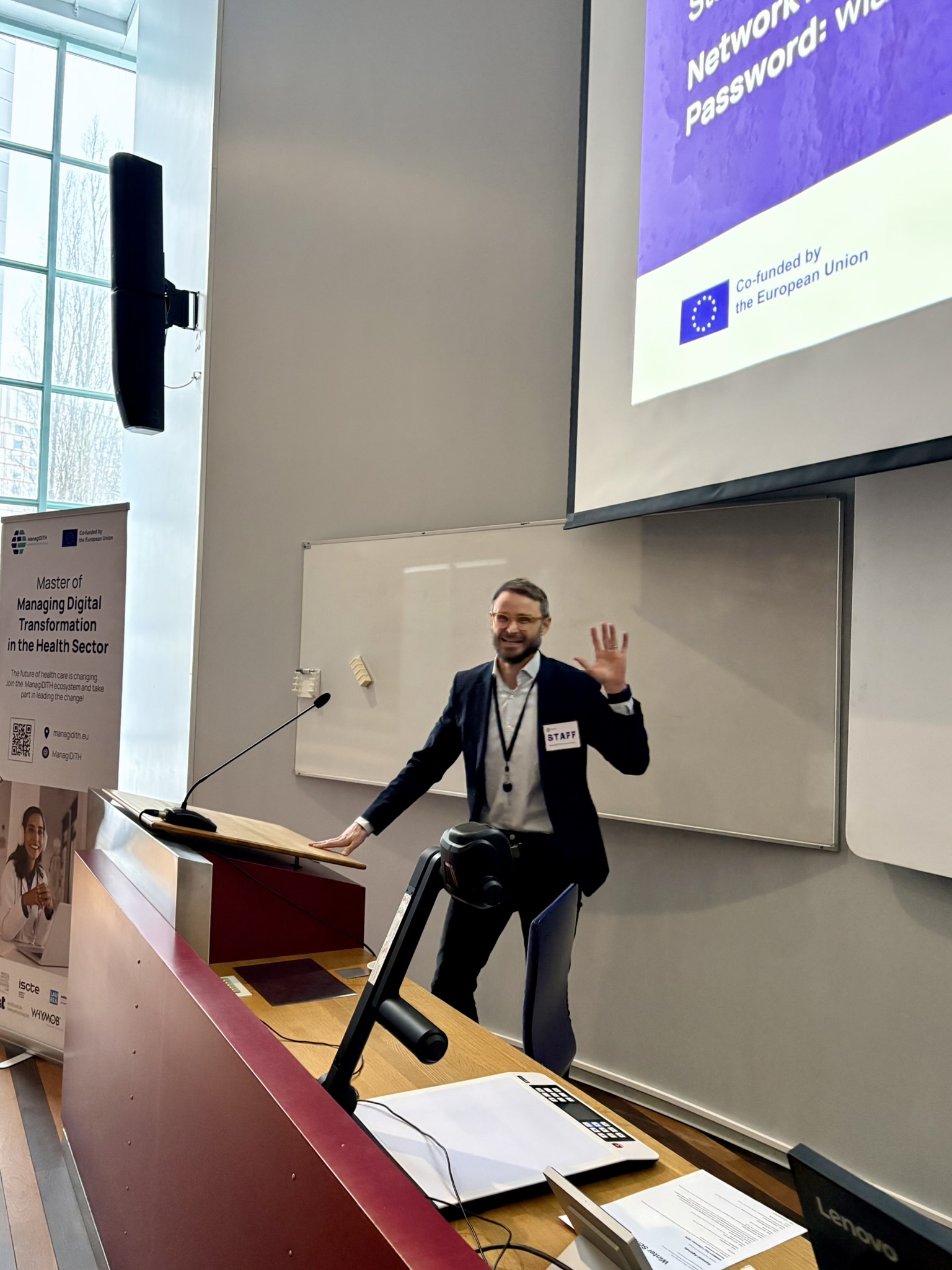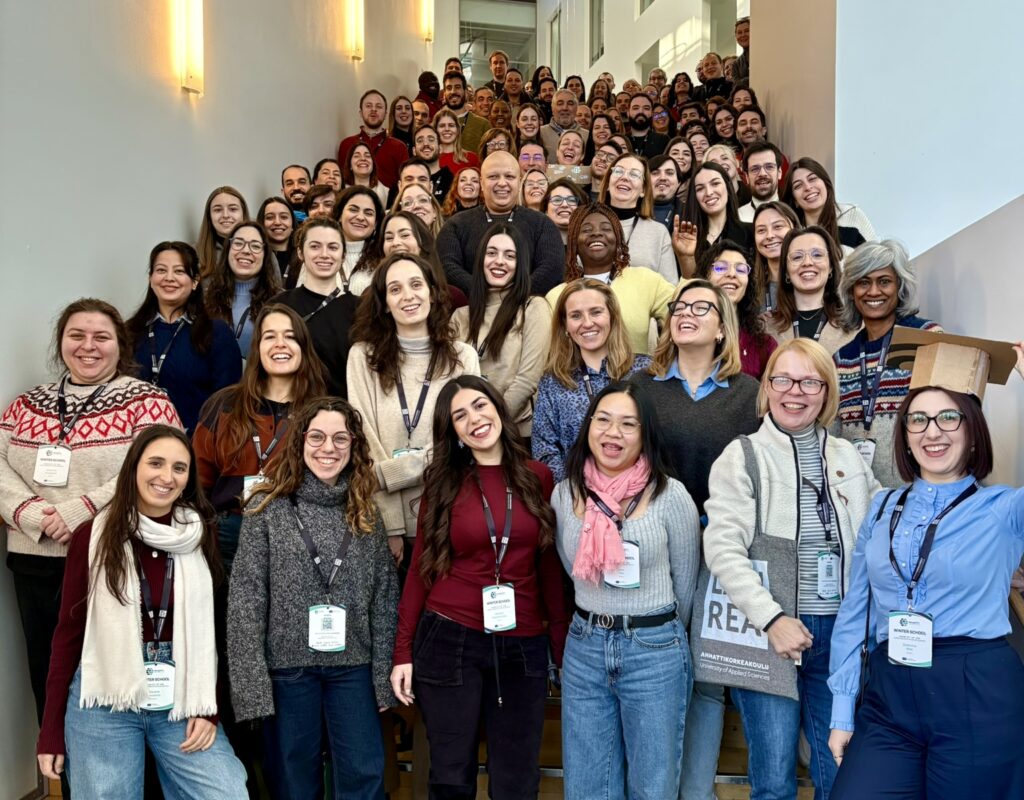
In late January 2026, students of the ManagiDiTH Master’s Programme gathered at Laurea University of Applied Sciences in Otaniemi, Finland, for the programme’s first-ever Winter School. Over five intensive days, students, faculty, and industry partners came together for an Innovation Bootcamp focused on real-world challenges within digital transformation of the health sector.
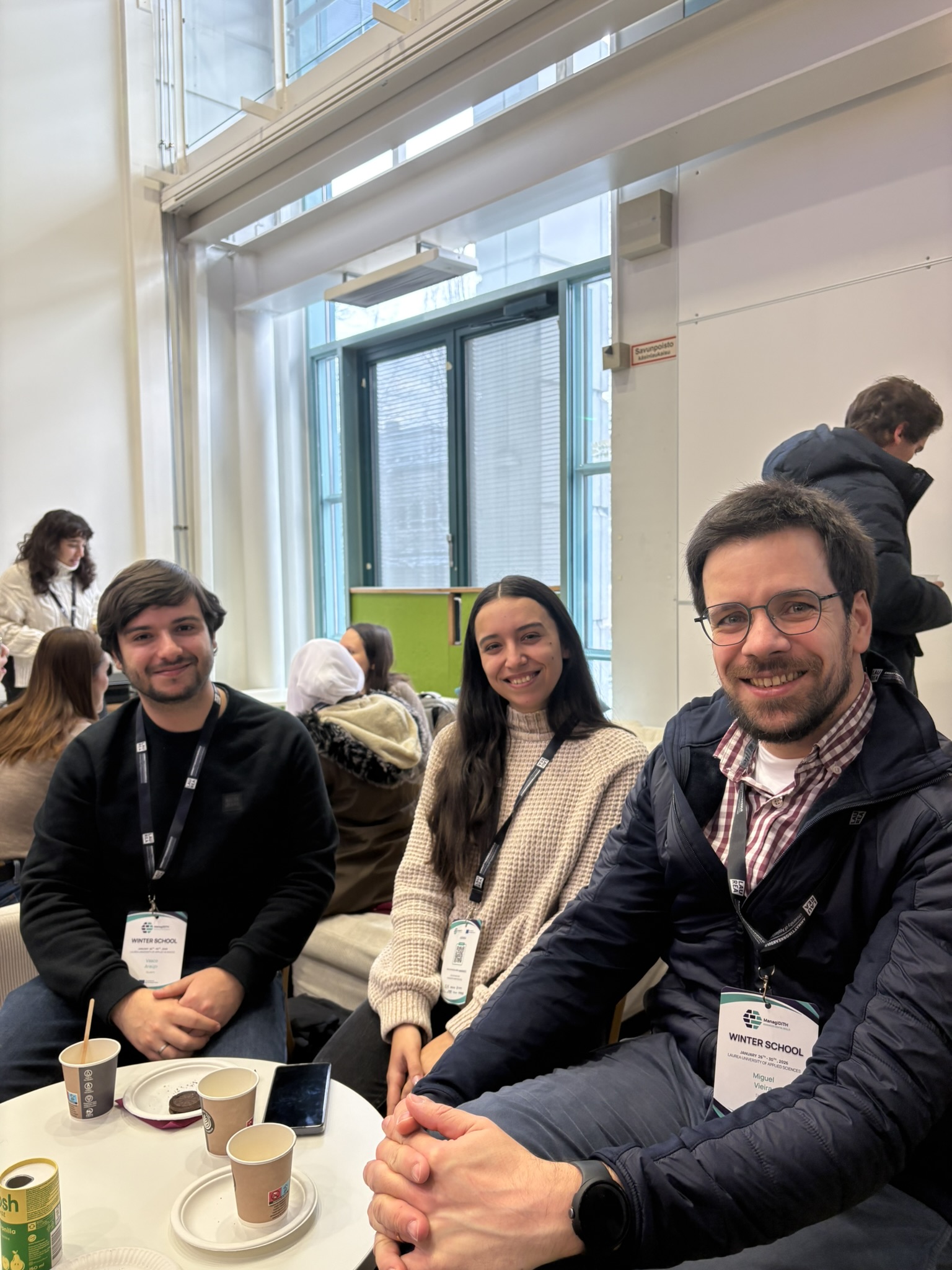
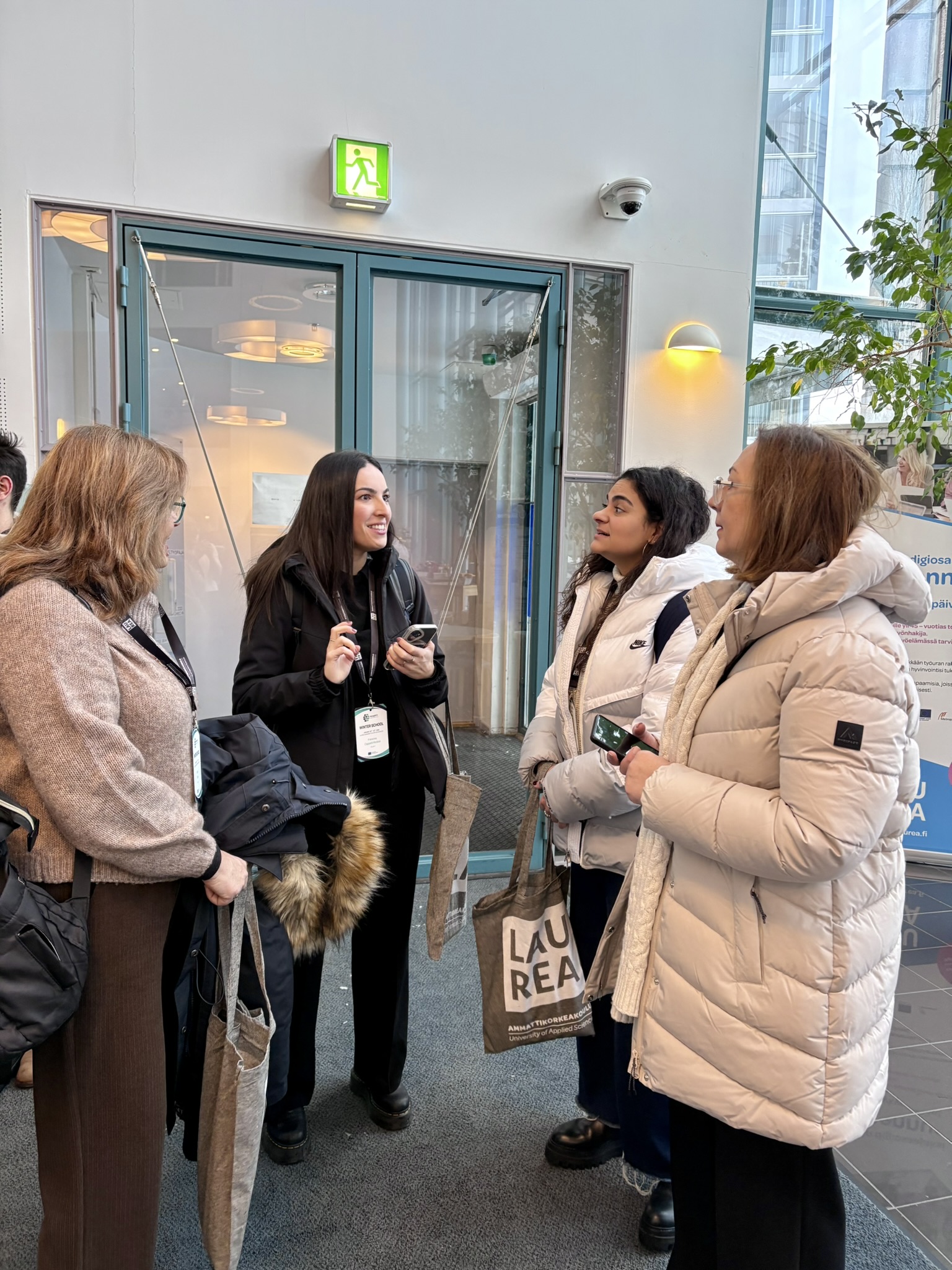
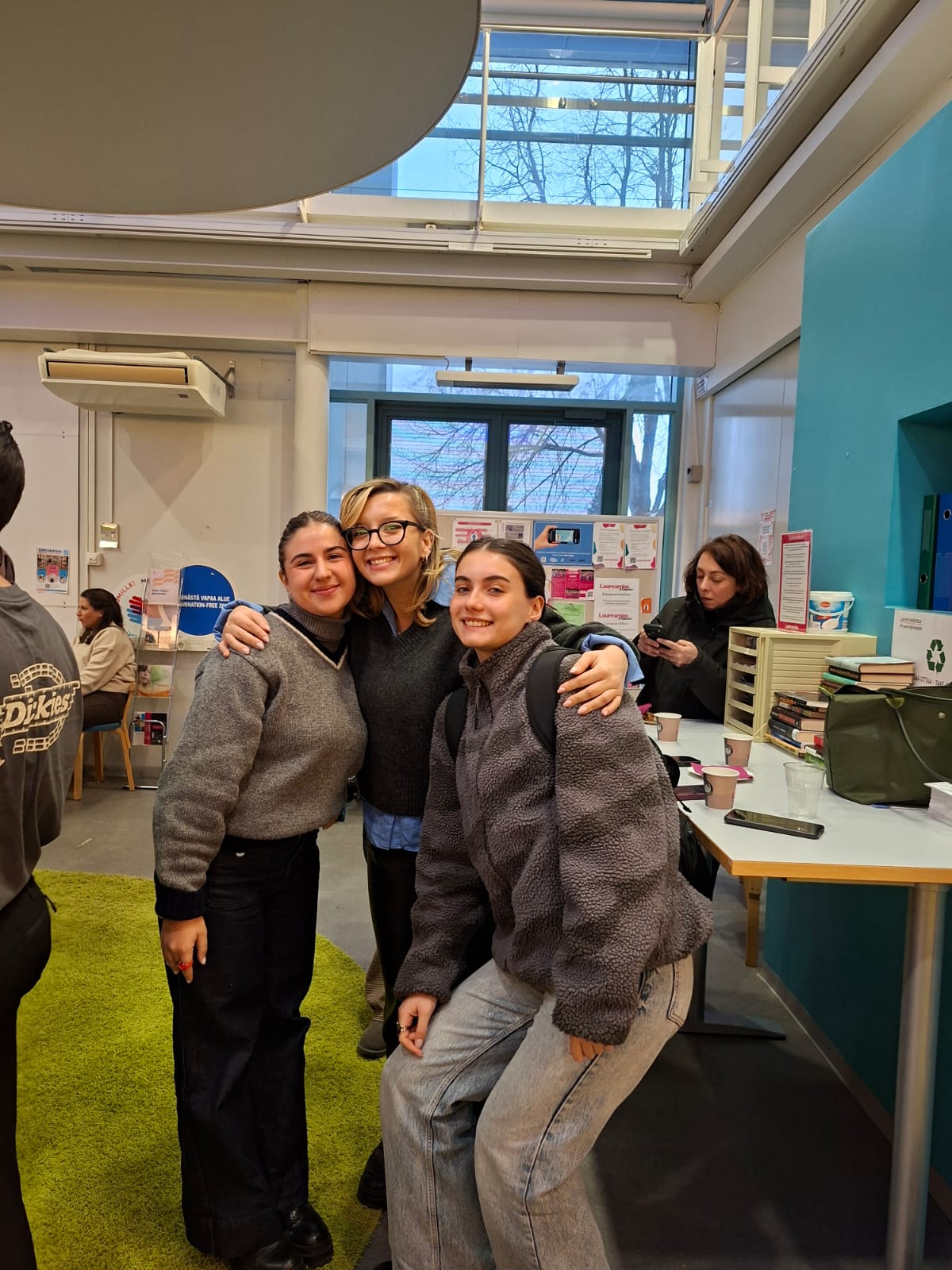
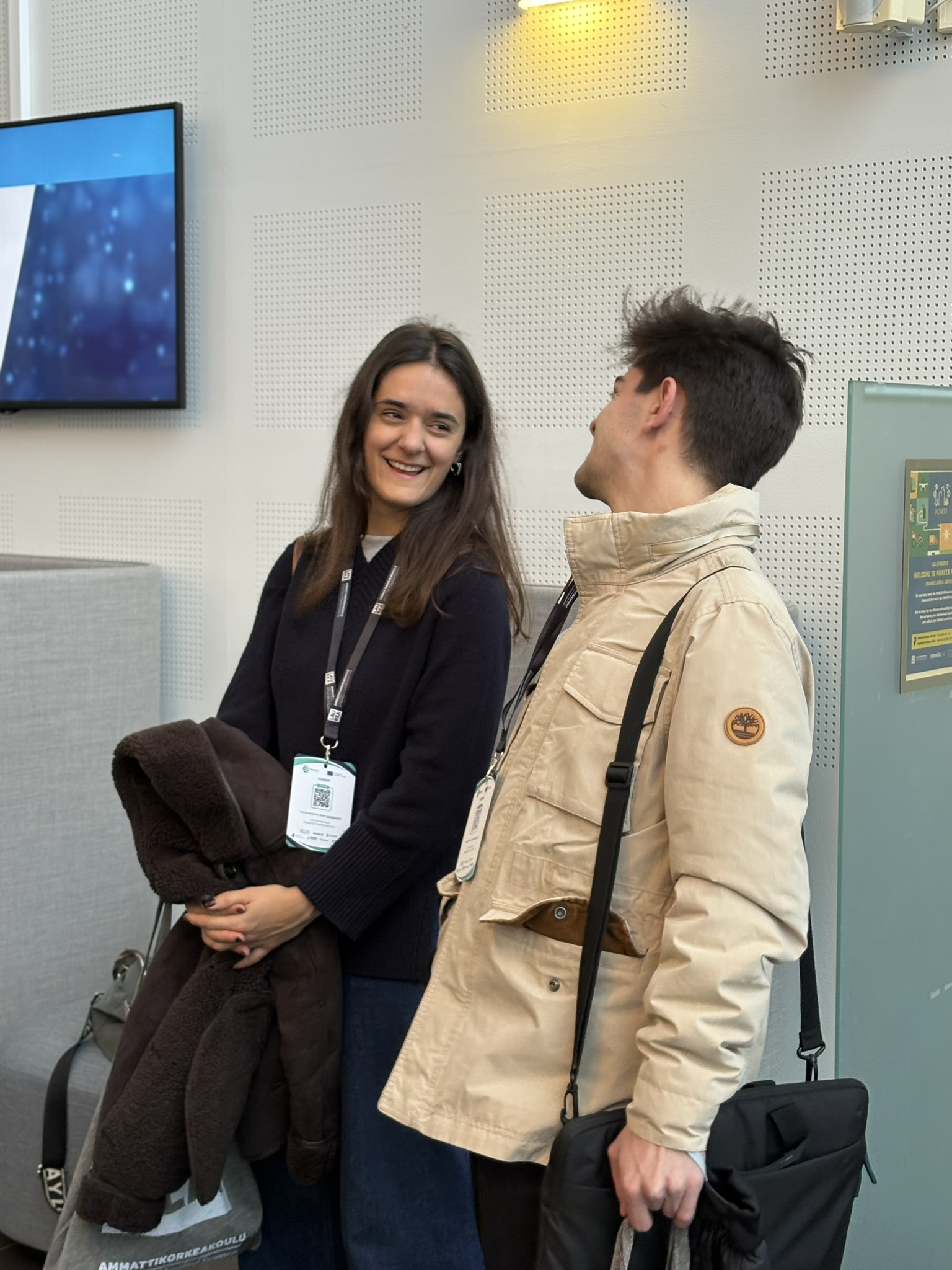
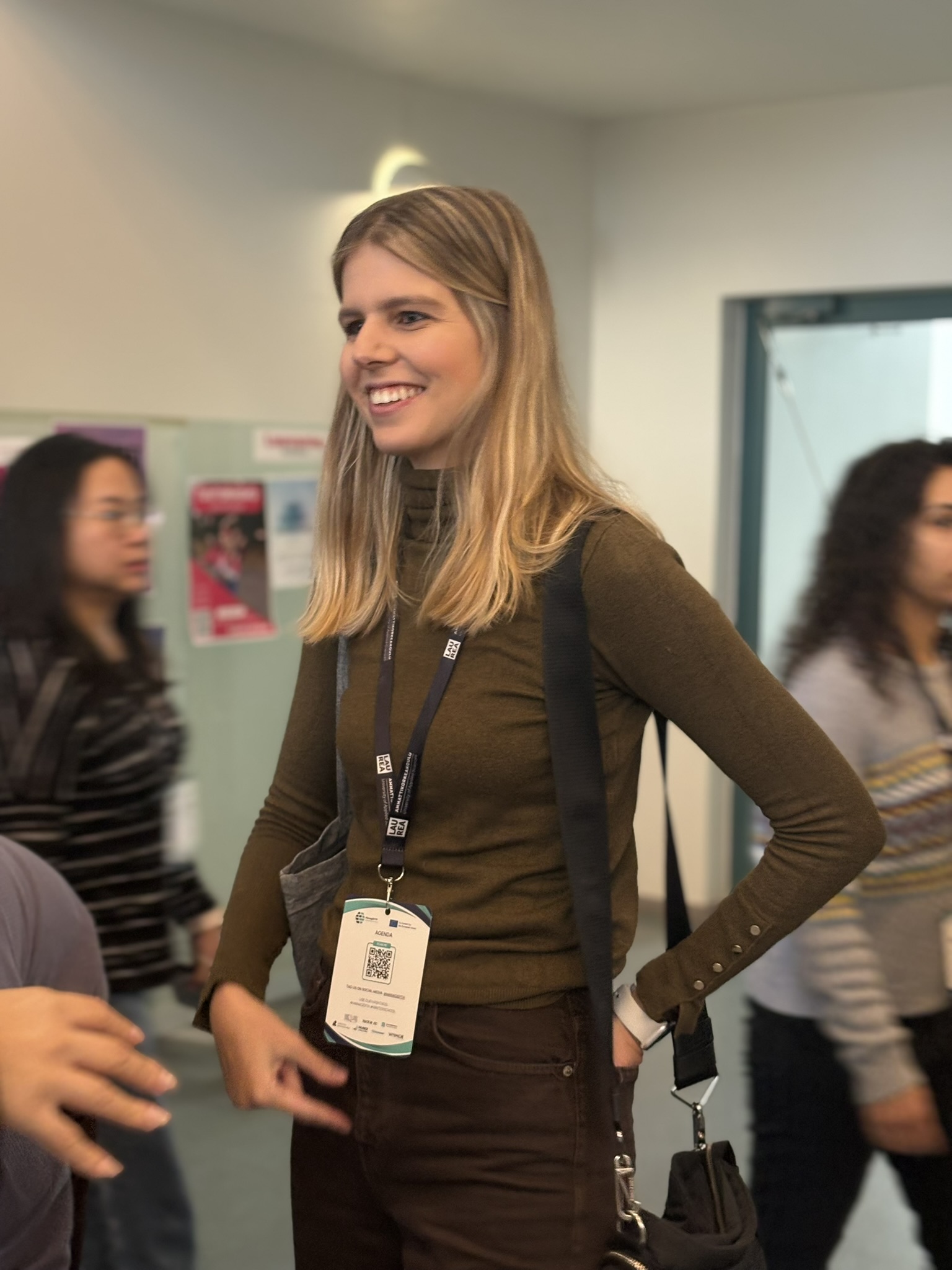
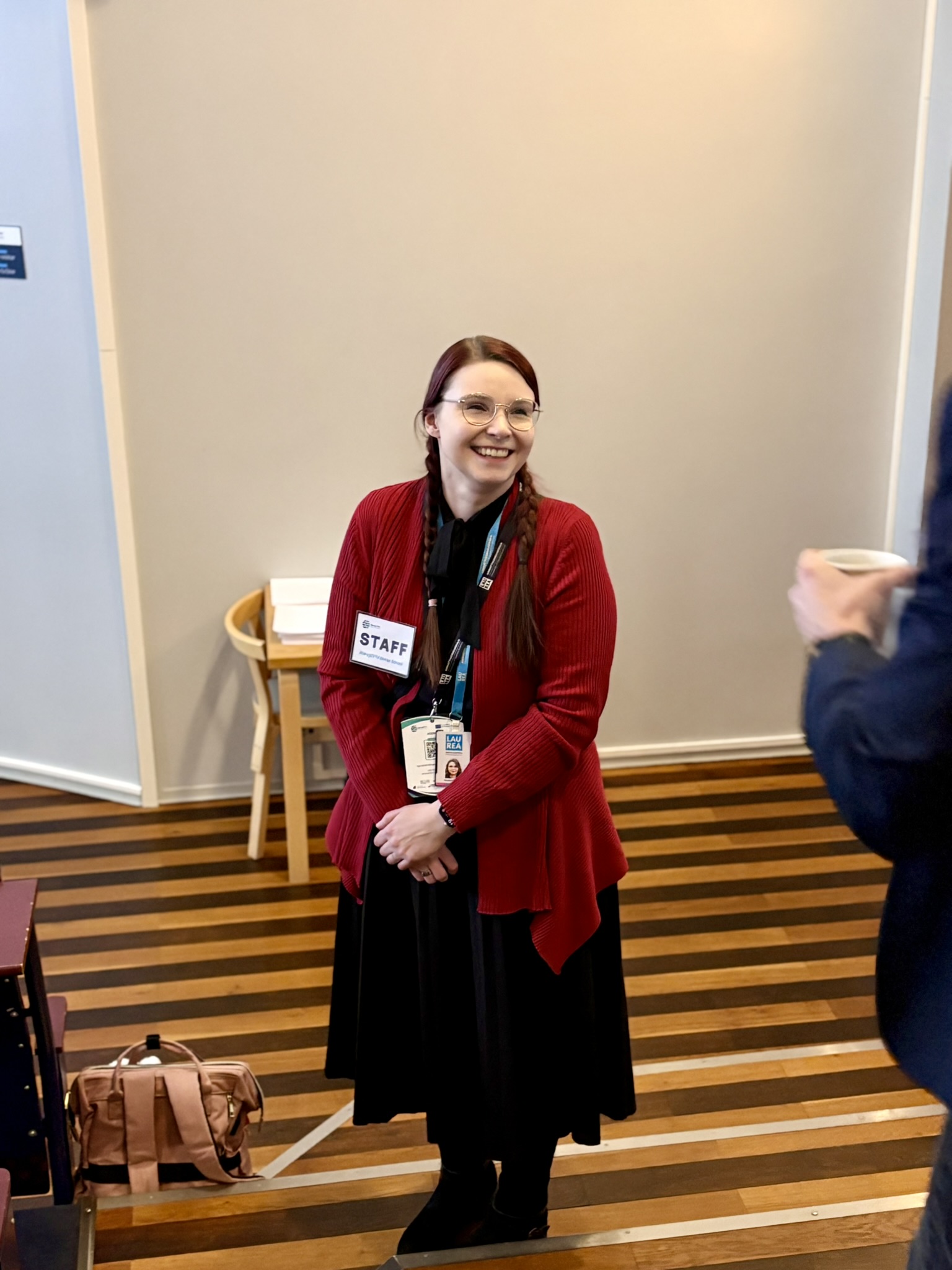
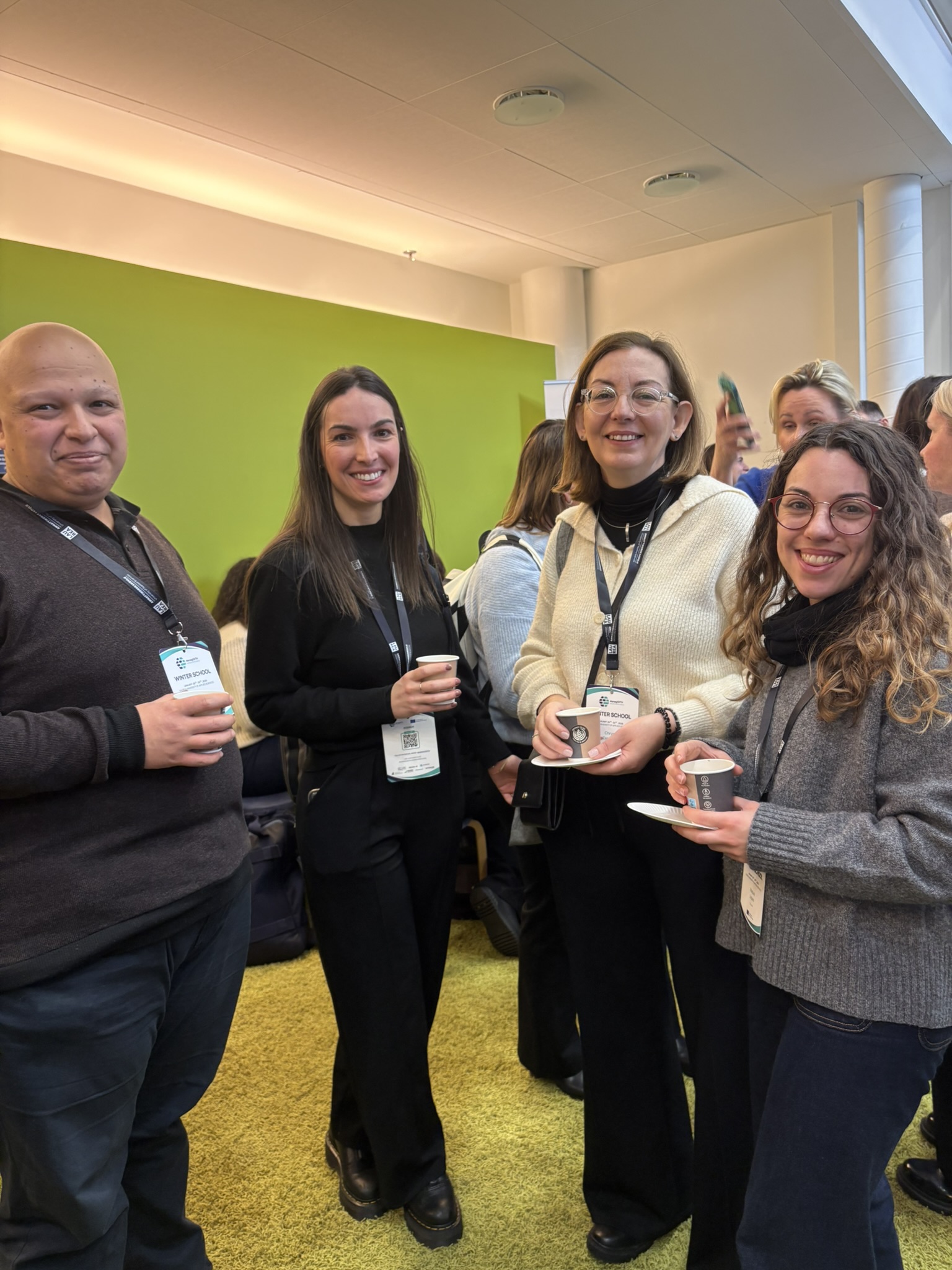
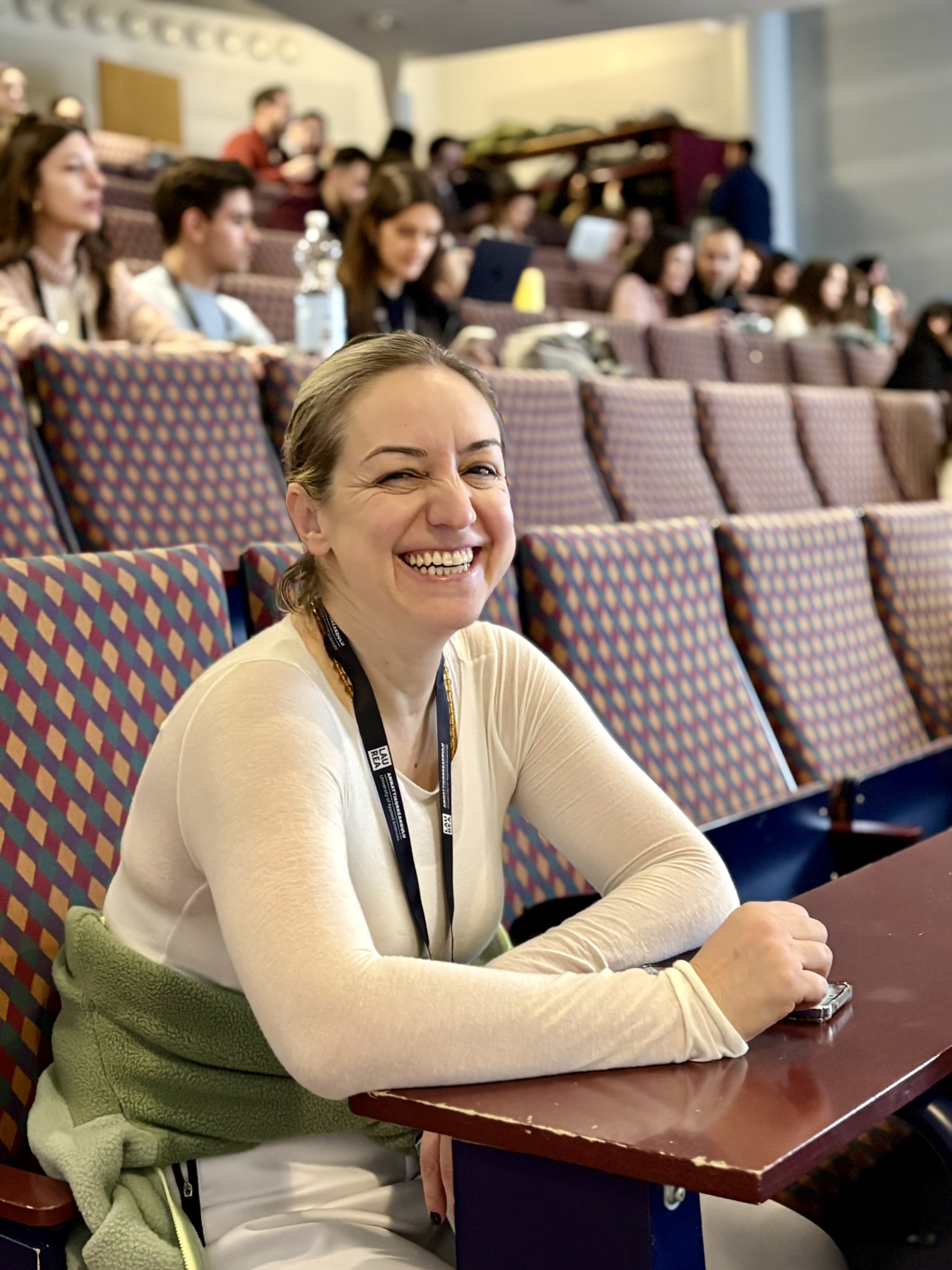
As a joint degree programme delivered collaboratively by Aristotle University of Thessaloniki (Greece), Iscte – University Institute of Lisbon (Portugal) and Laurea University of Applied Sciences (Finland), ManagiDiTH is delivered fully online. The Winter School, however, highlighted the added value of stepping out from behind the screen and meeting in person. For many participants, this was the first opportunity to meet their peers, mentors, and industry partners face-to-face. That physical presence proved to be more than just a change of setting; it became a central part of the learning experience.
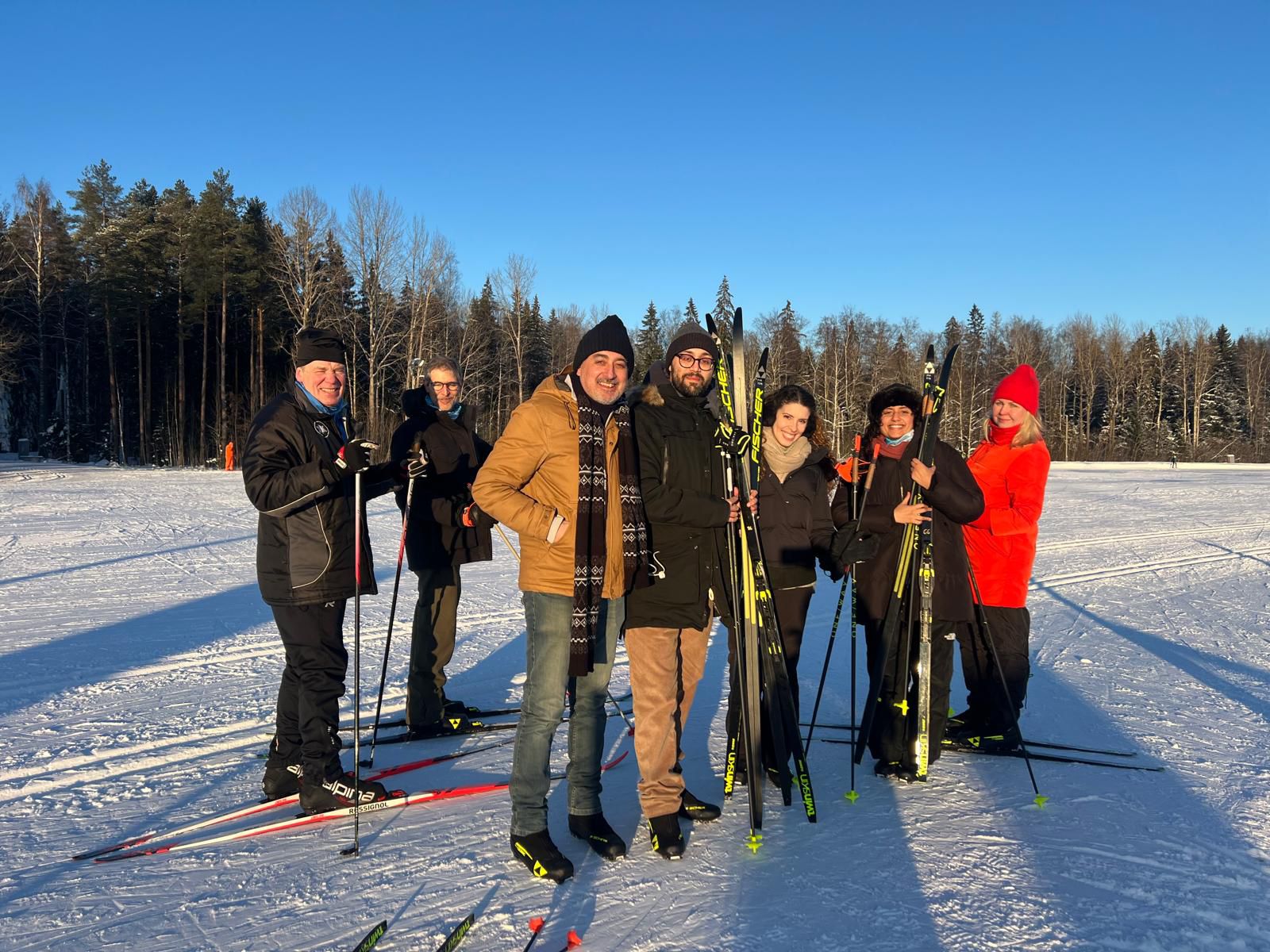
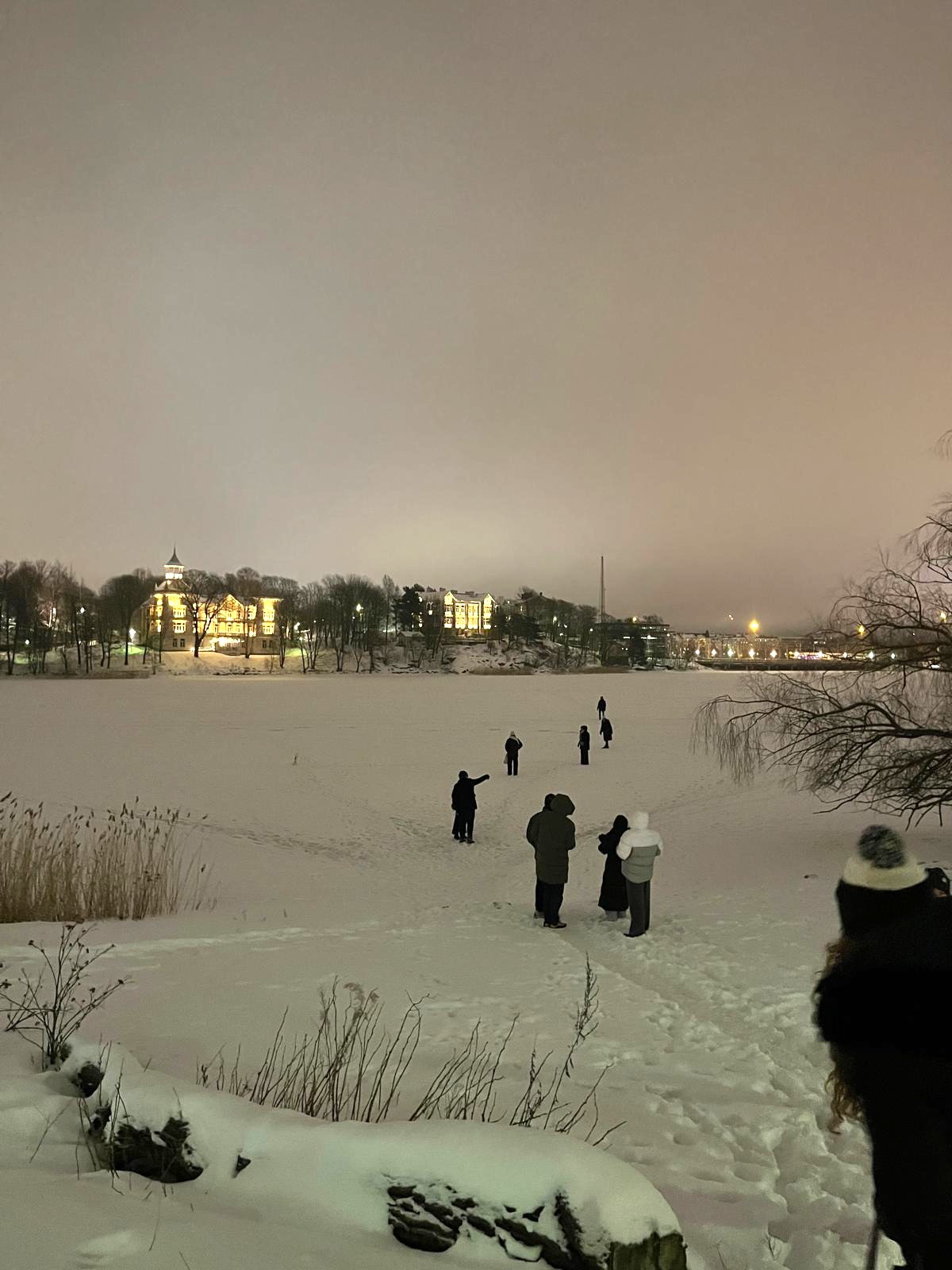
As an added bonus, students and staff, got to enjoy chilly Finnish winter weather and winter activities such as midday sledding breaks, ice plunges, and cross-country skiing.
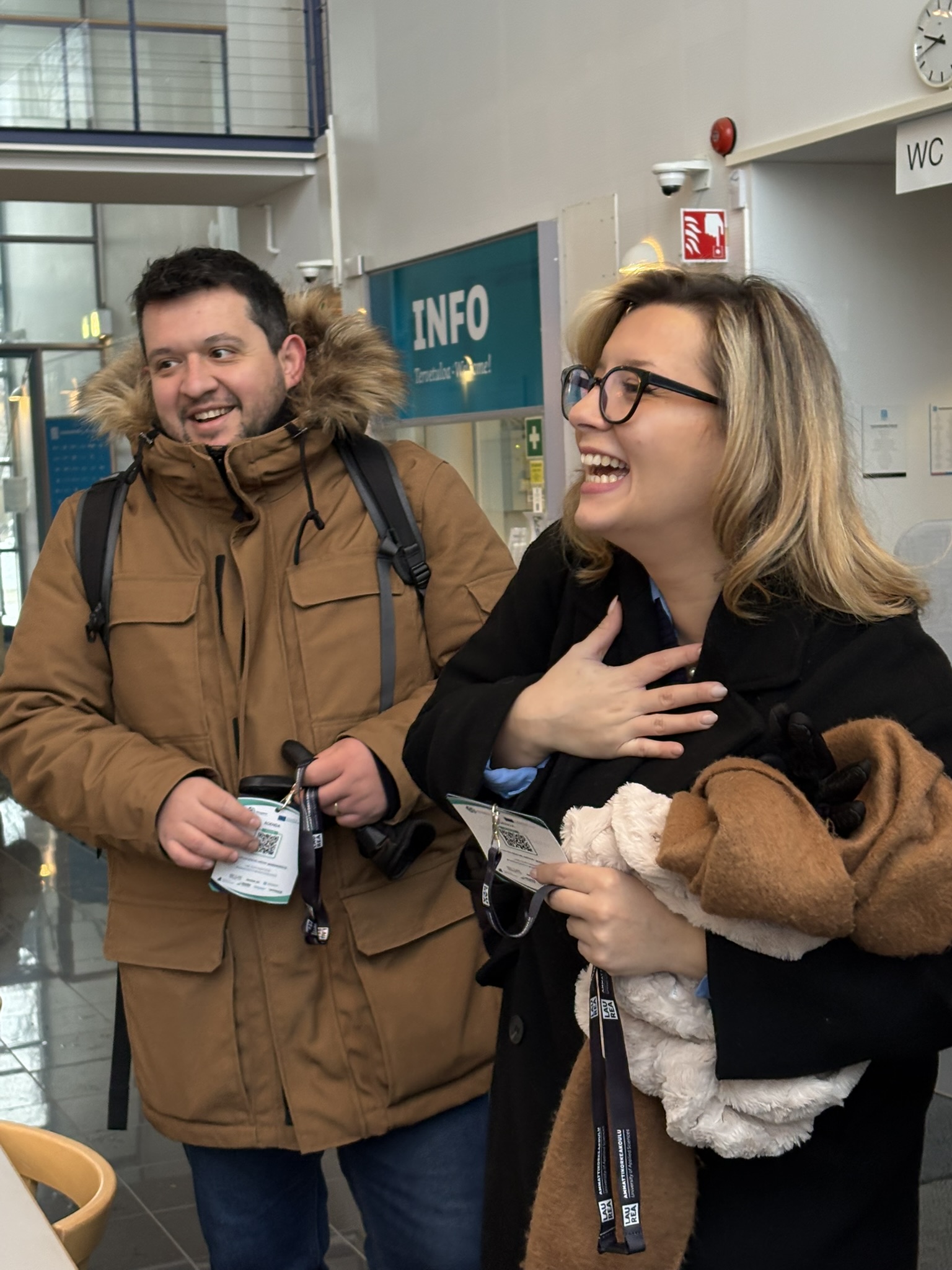
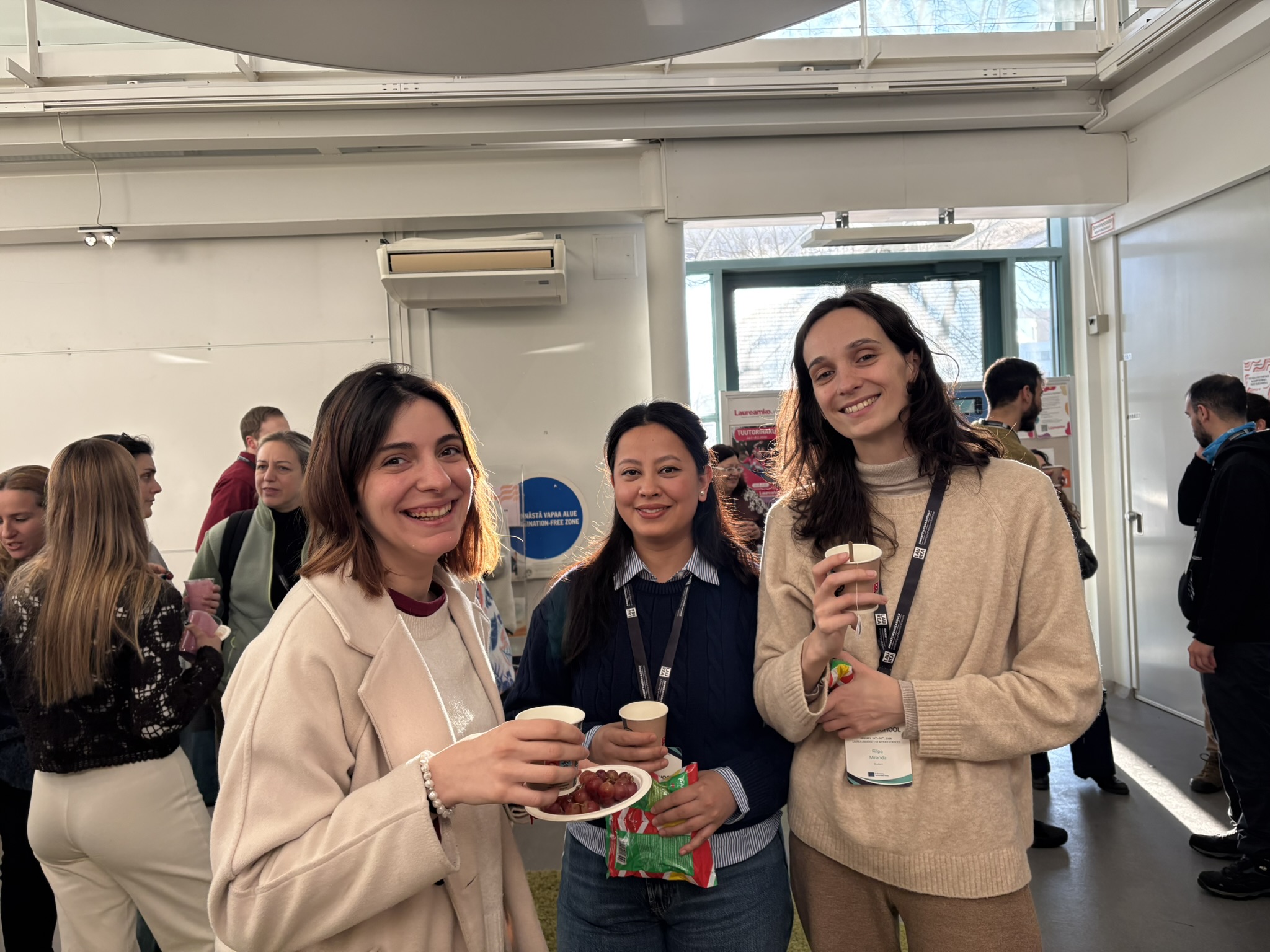
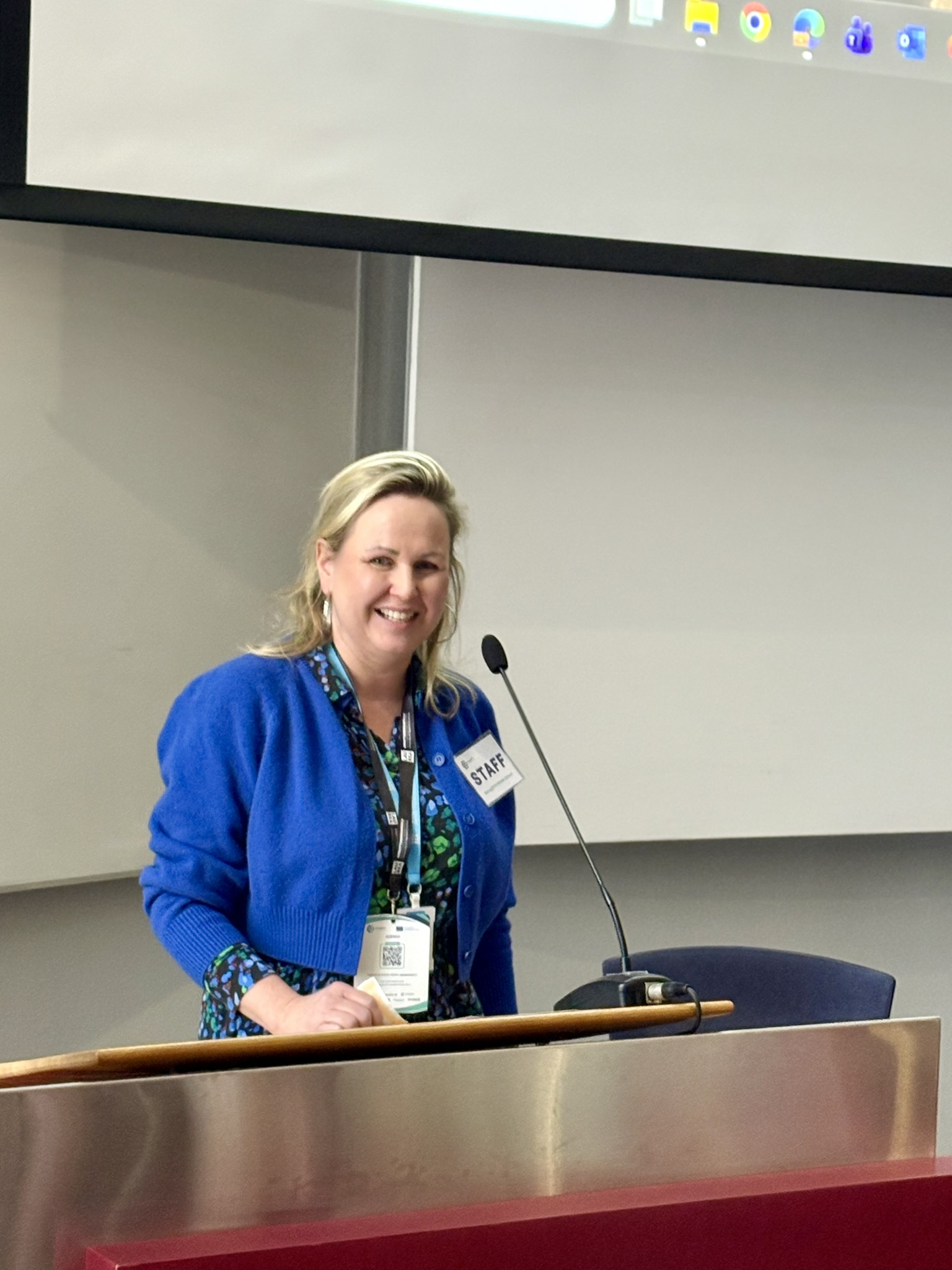
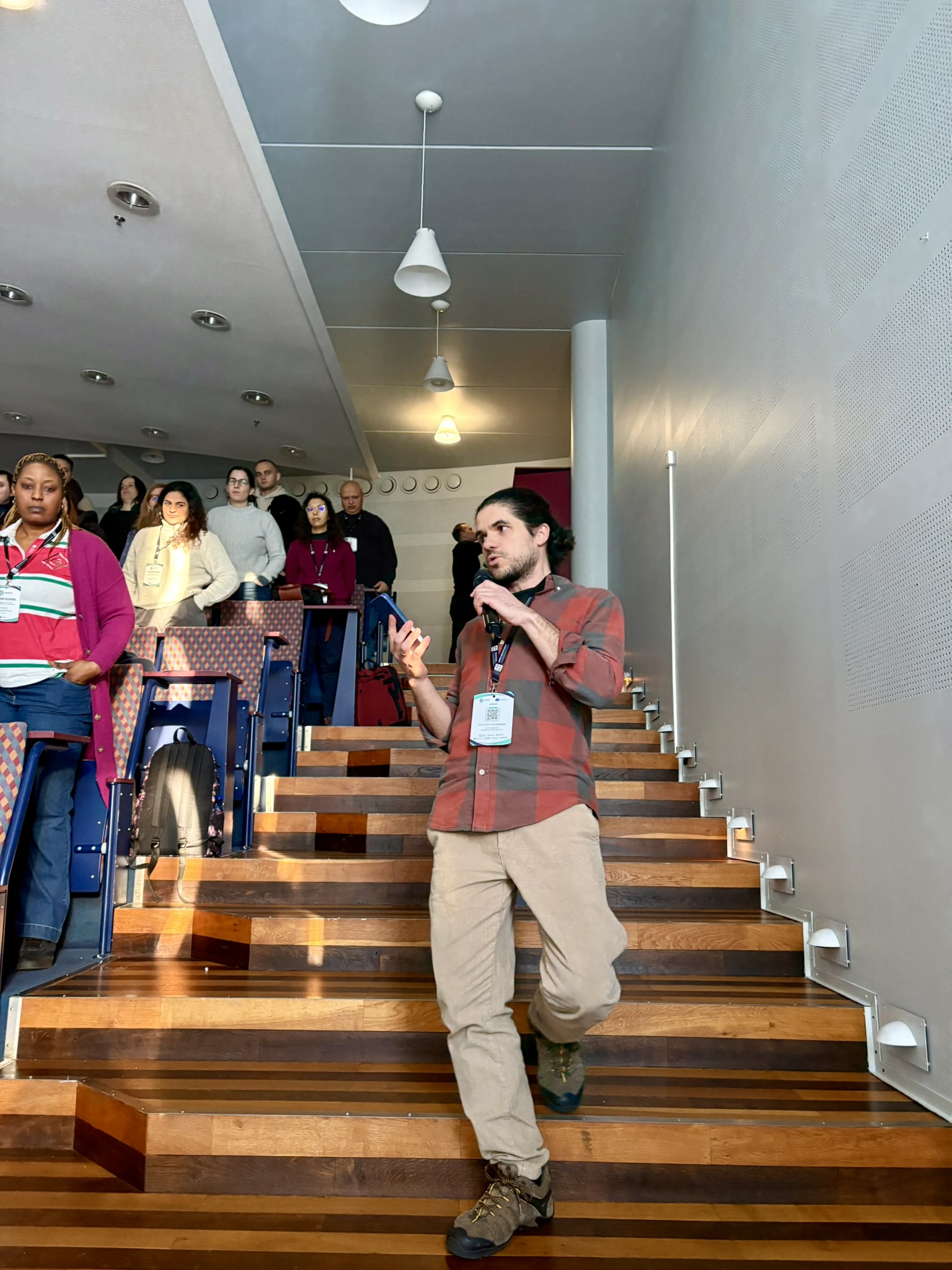
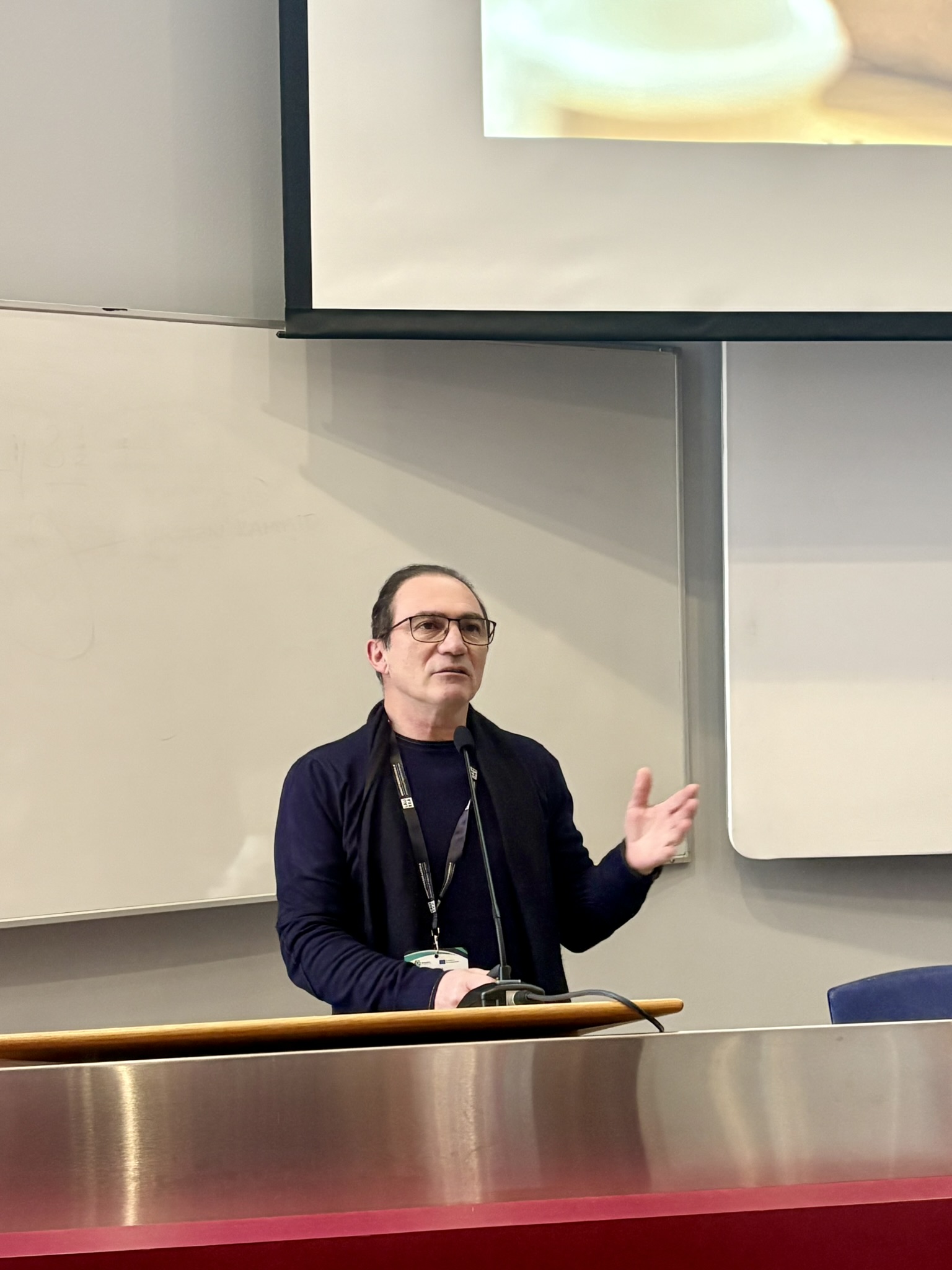
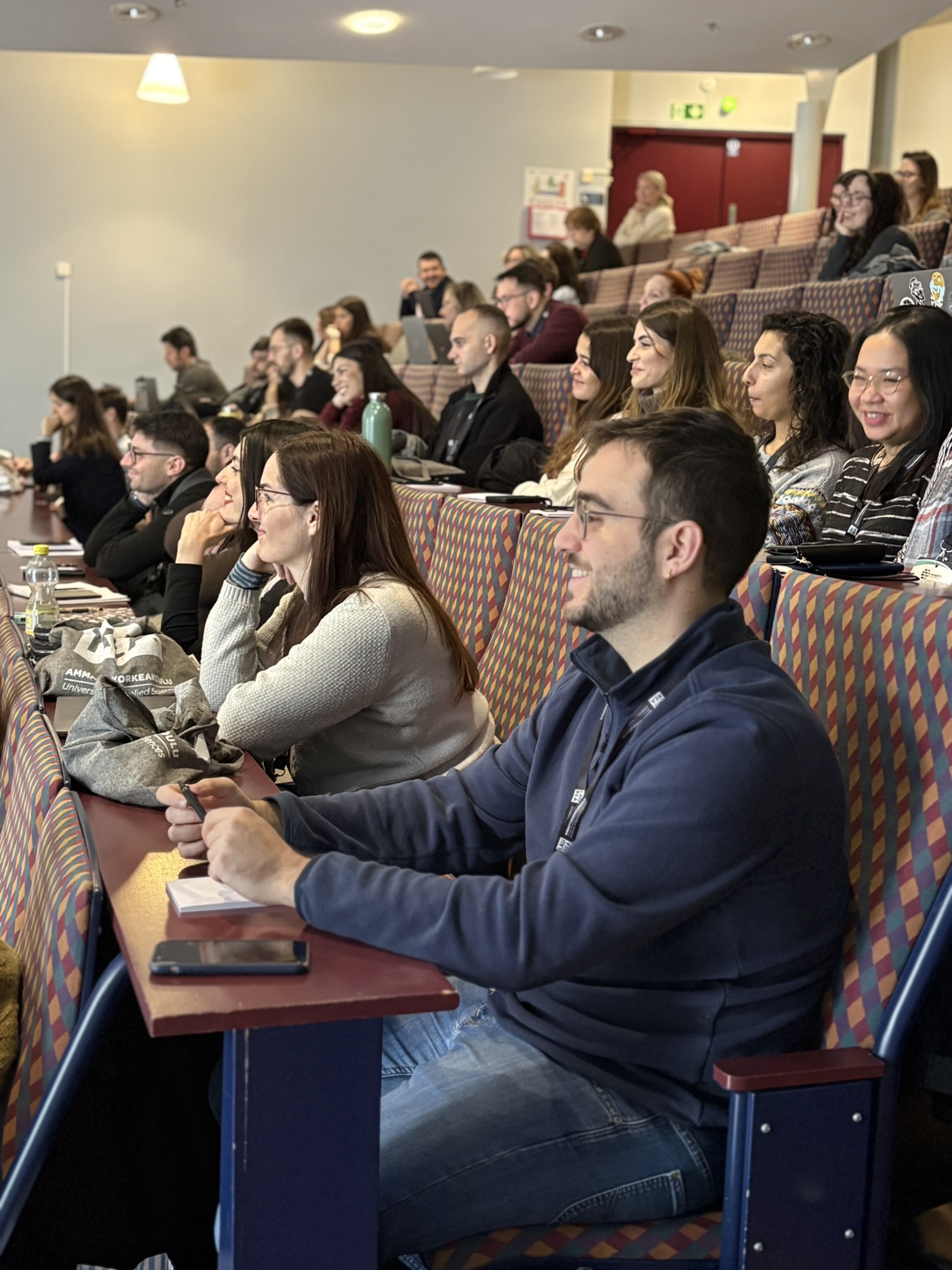
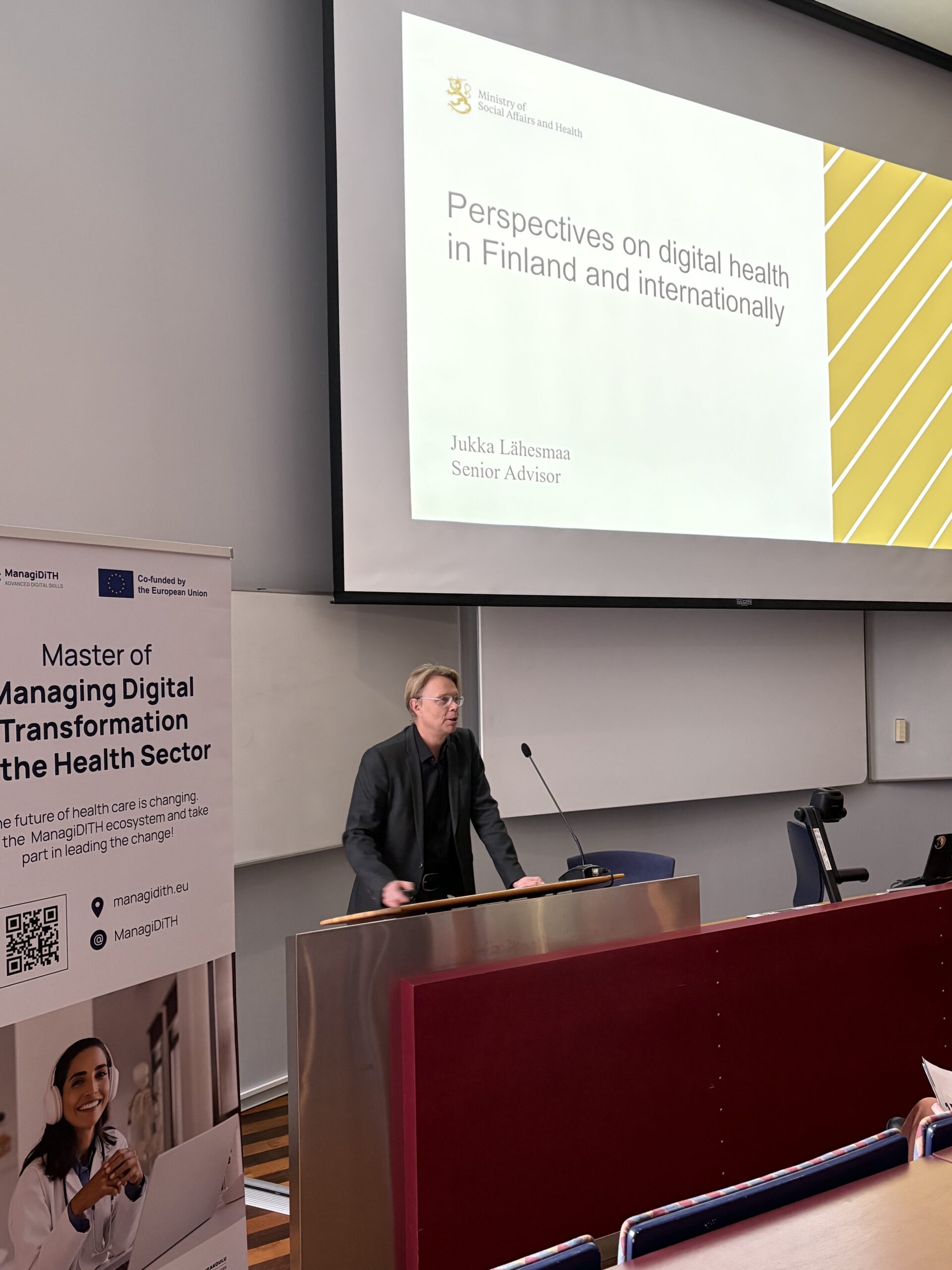
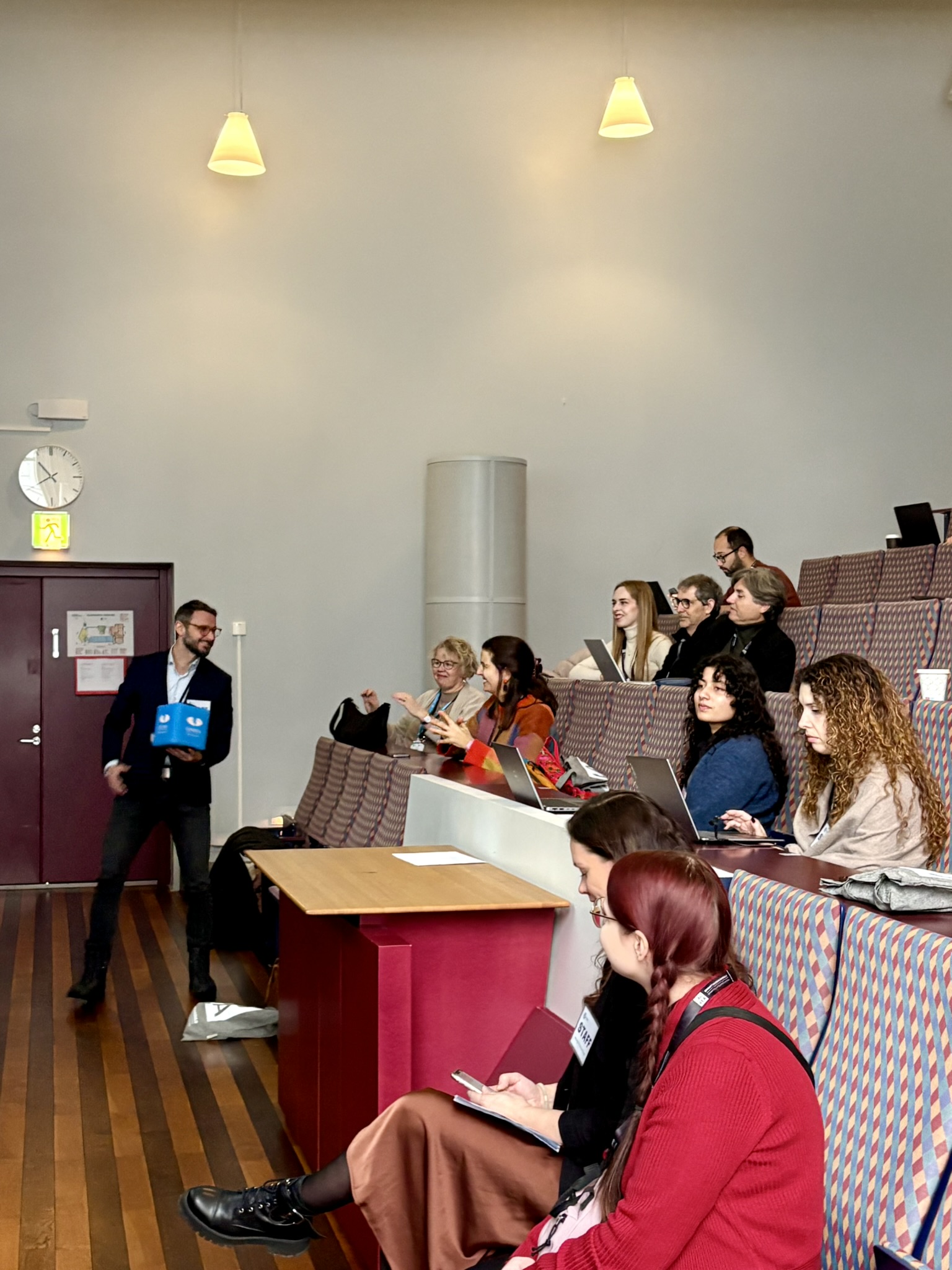
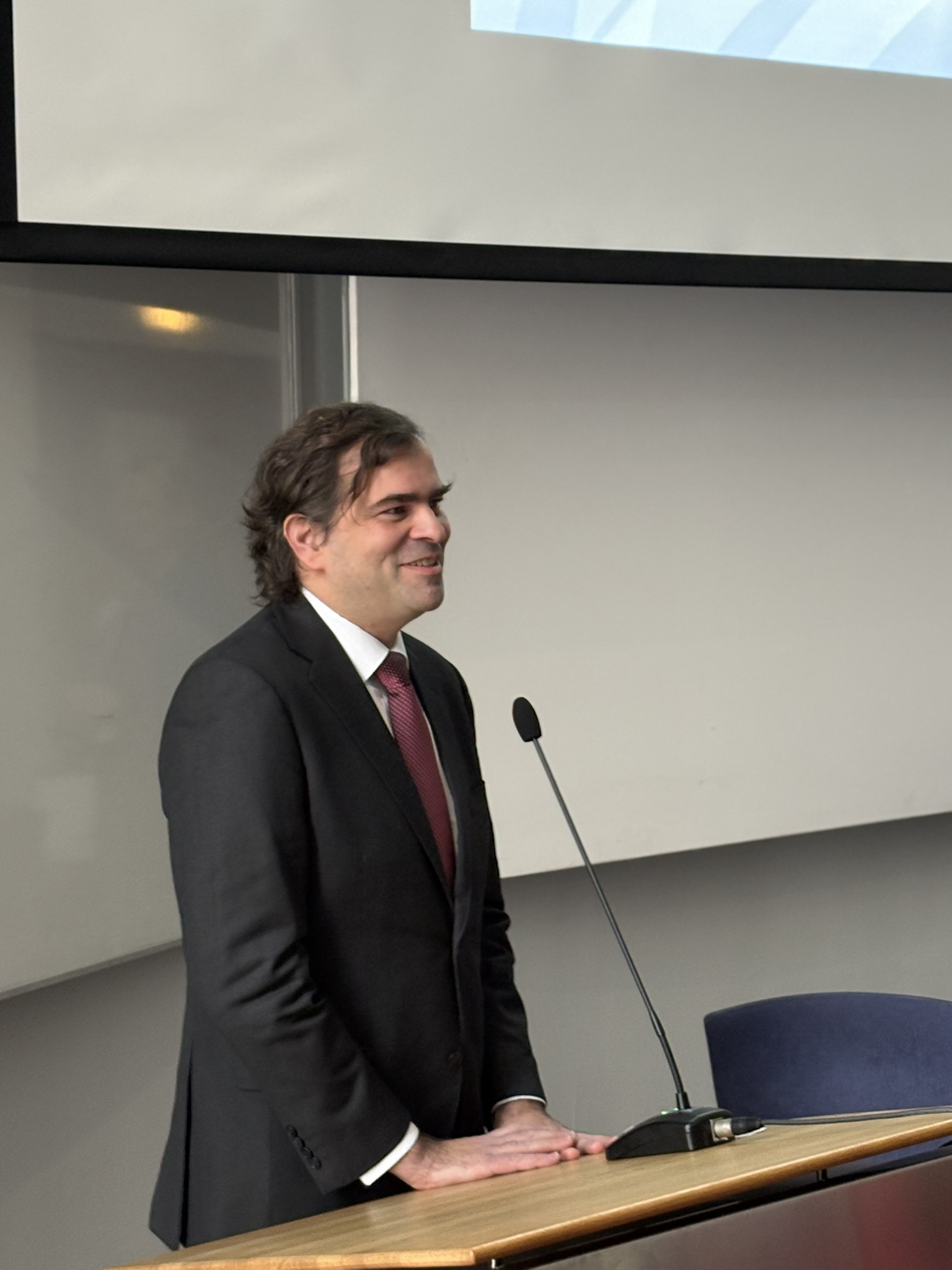
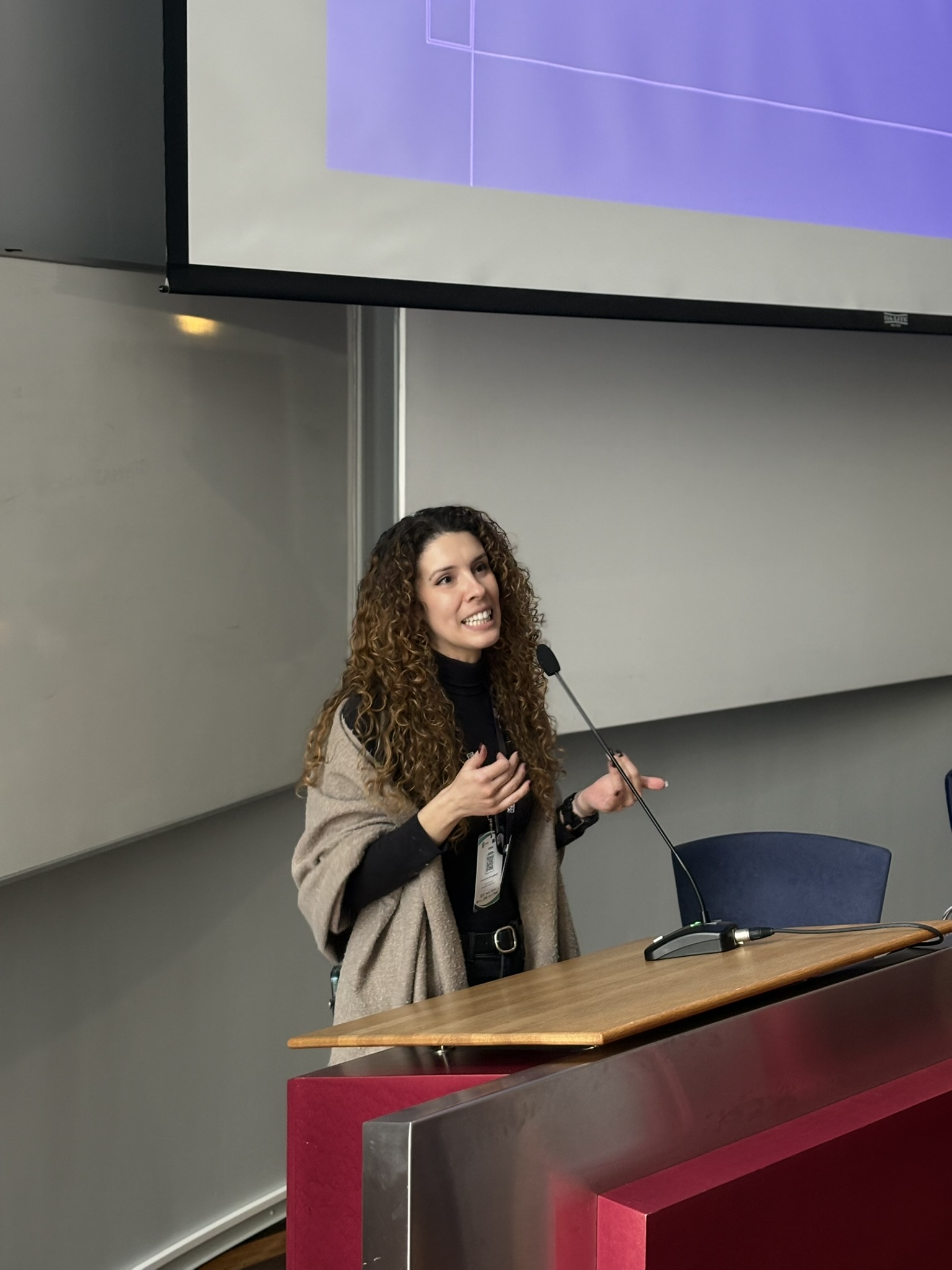
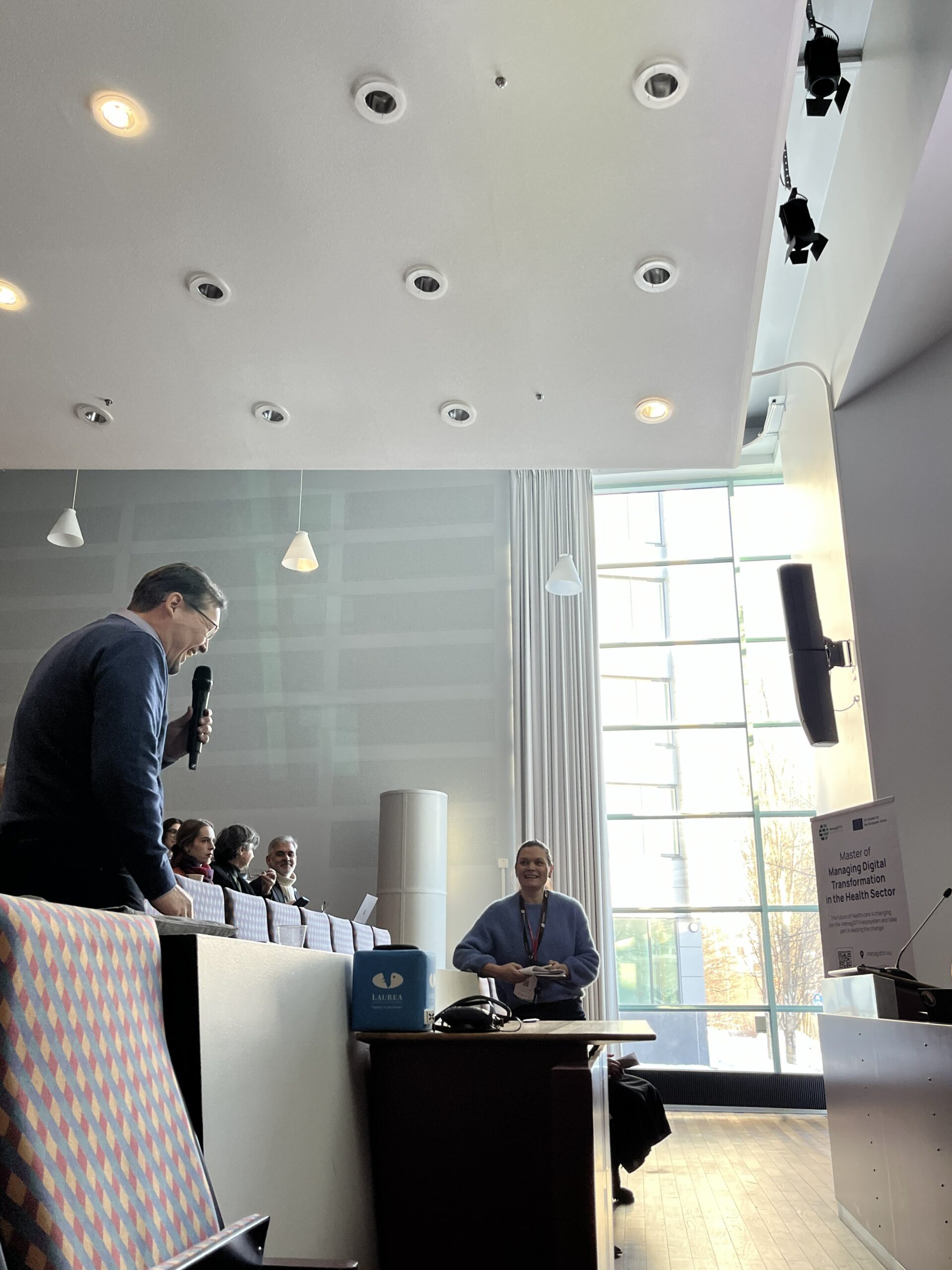
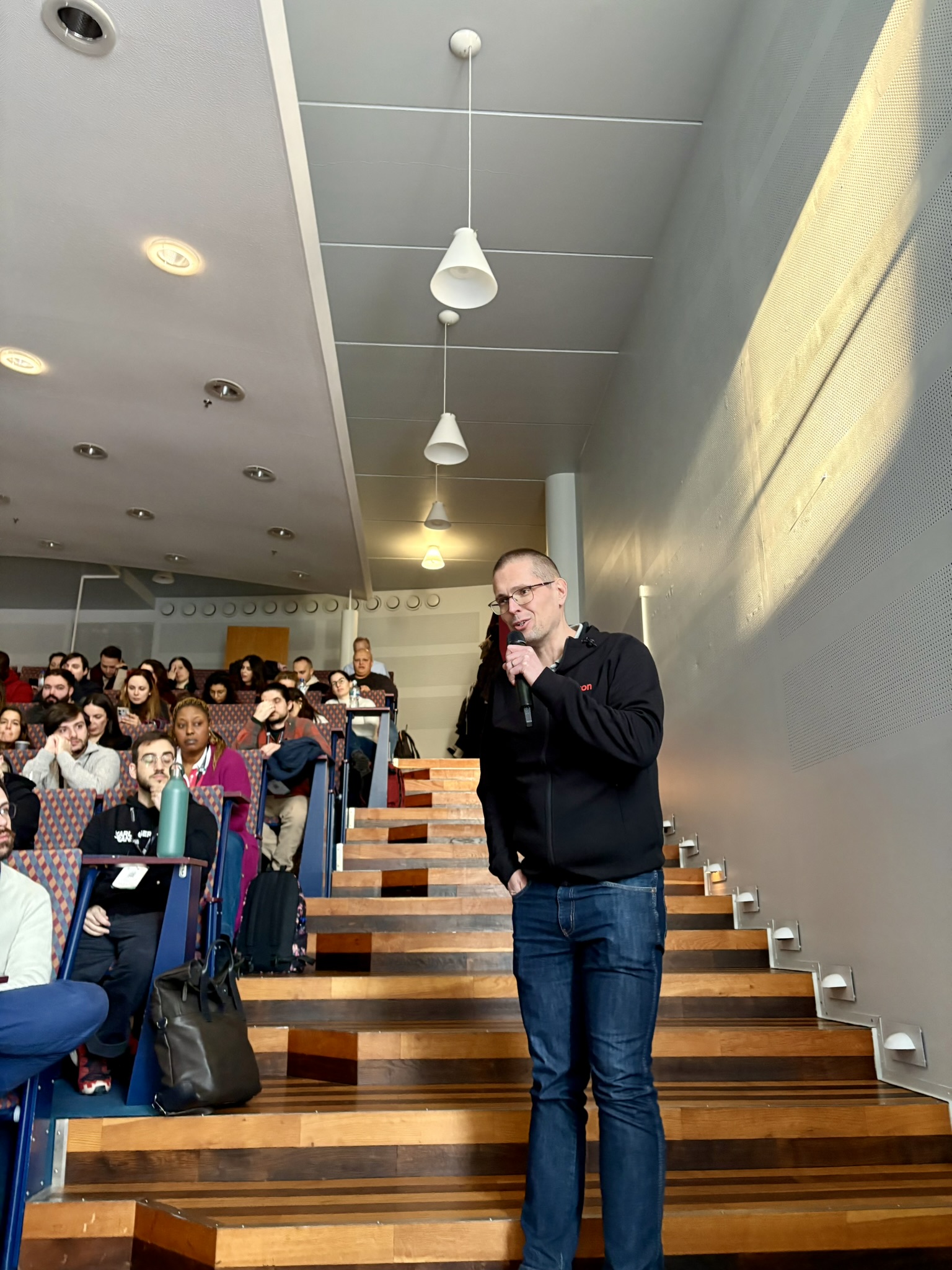
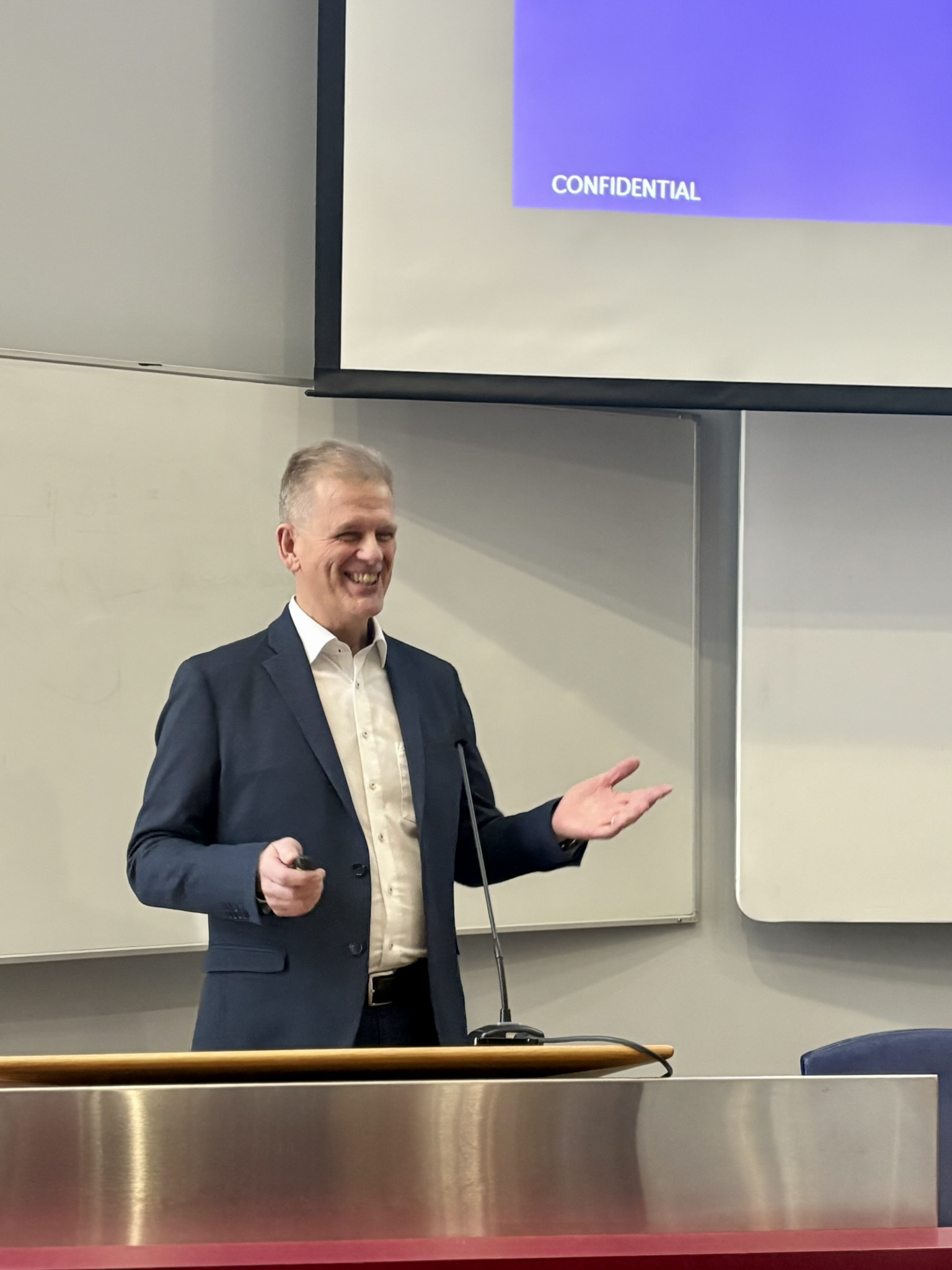
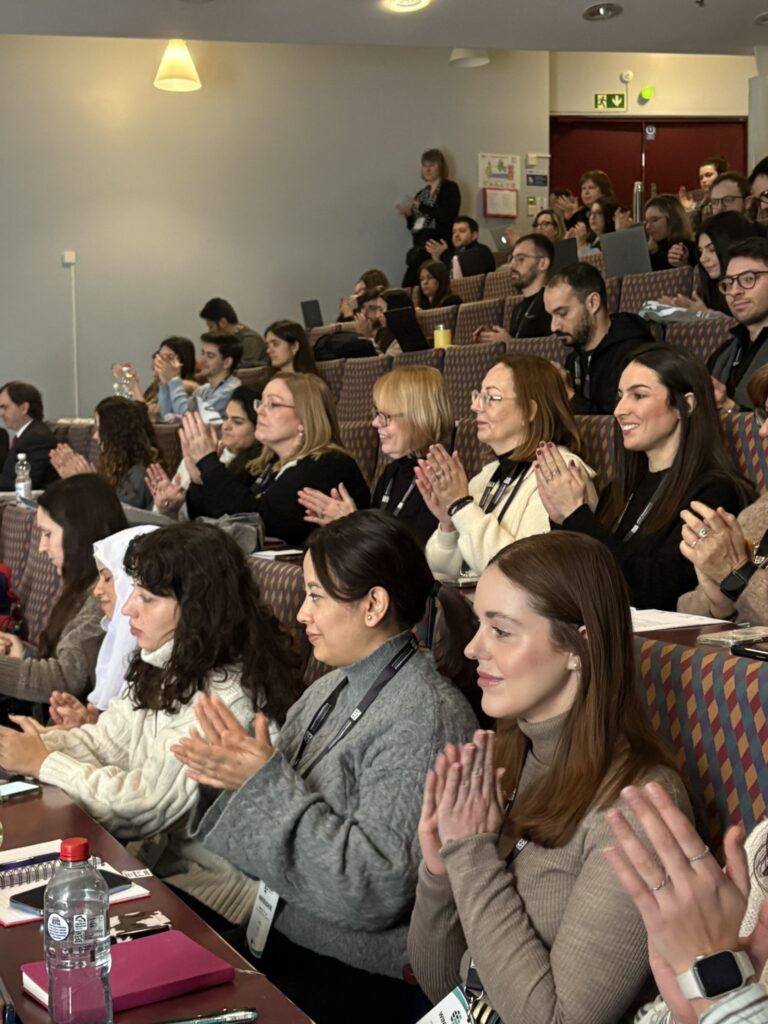
The Winter School opened with keynote sessions from experts representing public authorities, research institutions, and healthcare consultancies. These sessions explored themes such as data management, digital health technologies, and system-level transformation. Beyond the technical content, they also framed digital health as a field shaped by people, collaboration, and shared responsibility.
This framing carried through the rest of the week. As one student reflected, progress in digital health often depends less on technology itself and more on bringing together people with different backgrounds, perspectives, and expertise and giving them the space to work together meaningfully.
And that is exactly what followed.
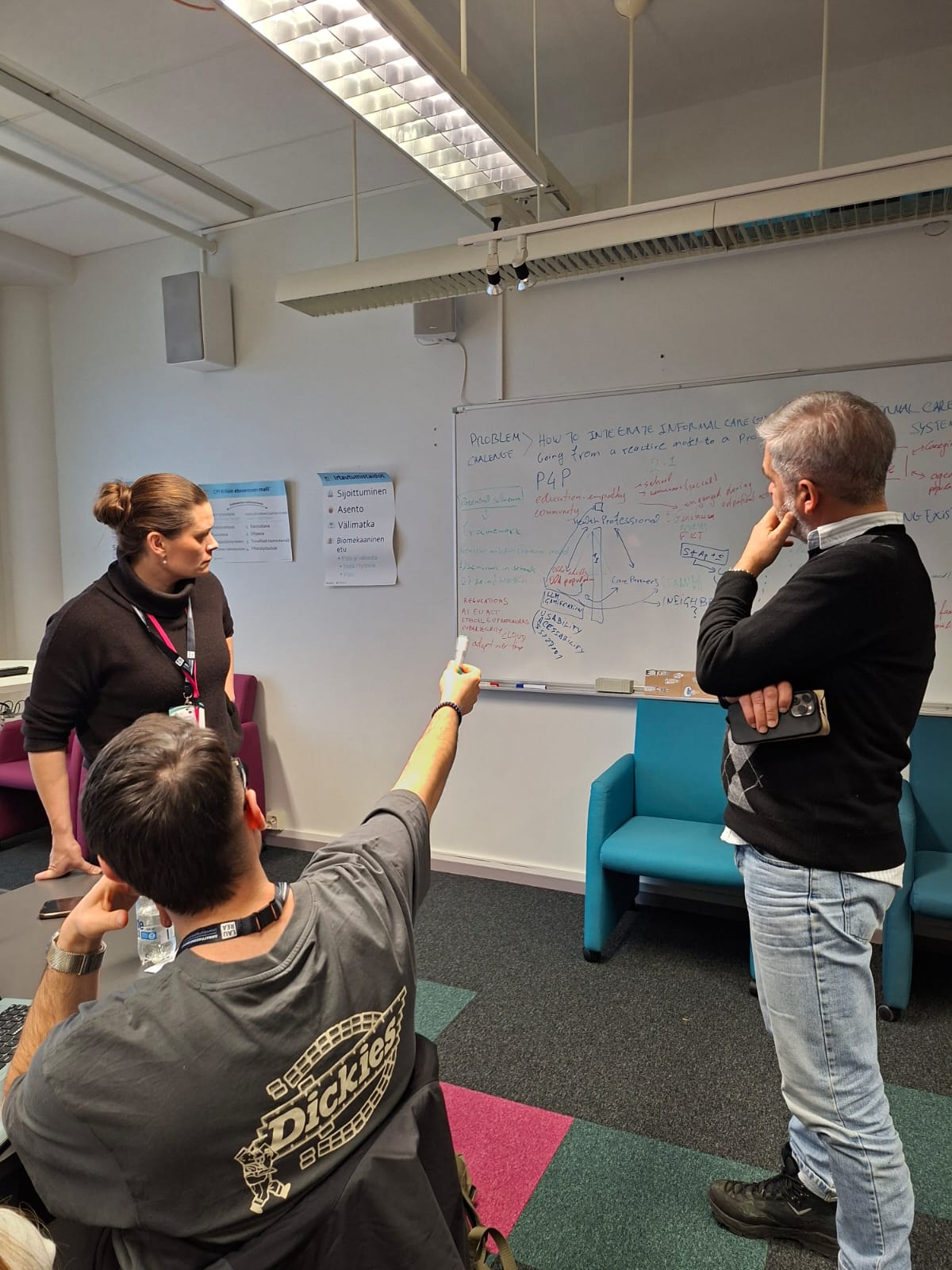
Building on the opening day, students were introduced to real challenges presented by industry partners operating across the digital health ecosystem. Working directly with these organisations, teams explored user needs, organisational realities, and practical constraints, ensuring that their ideas were grounded in real-world contexts.
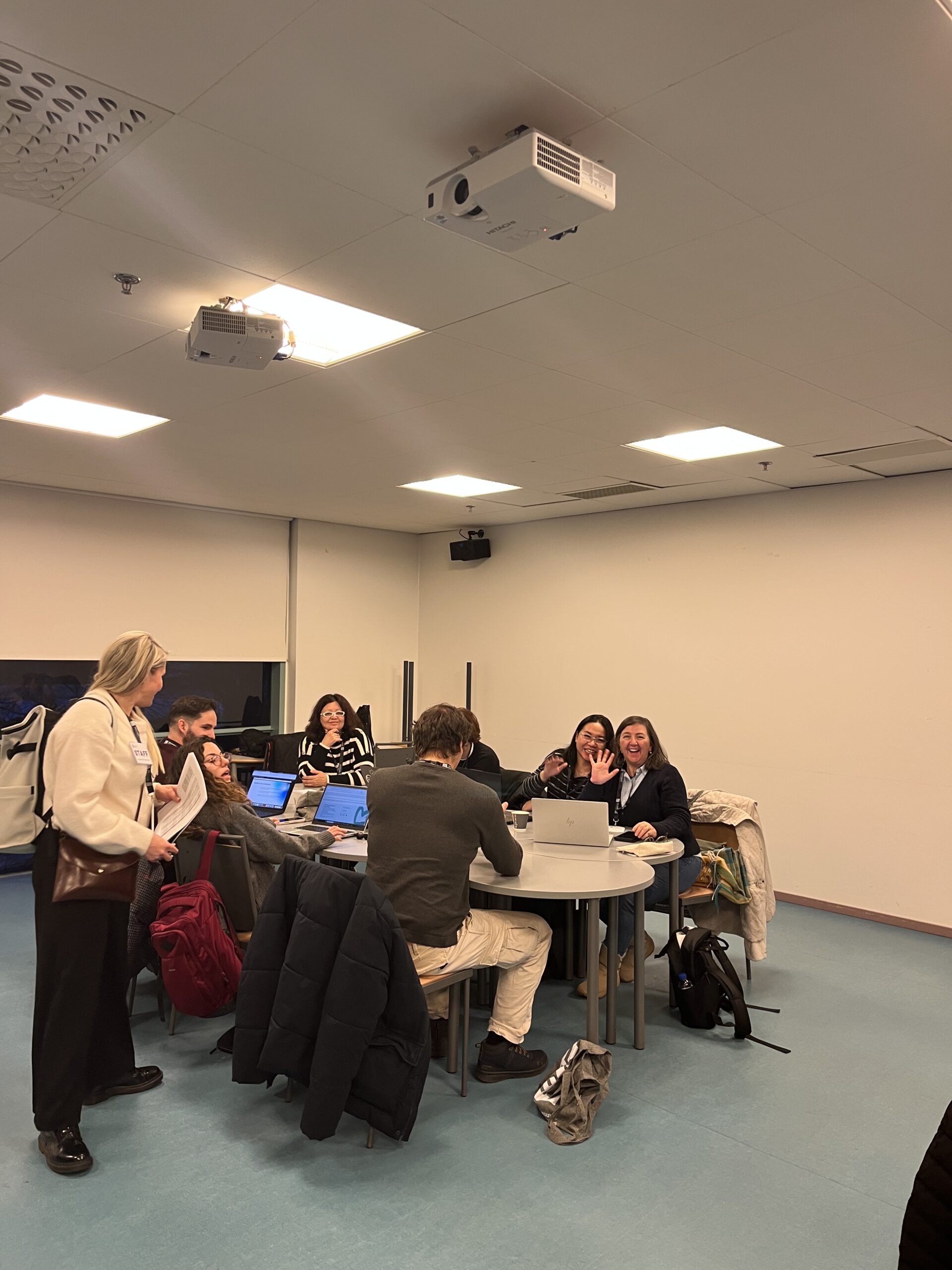
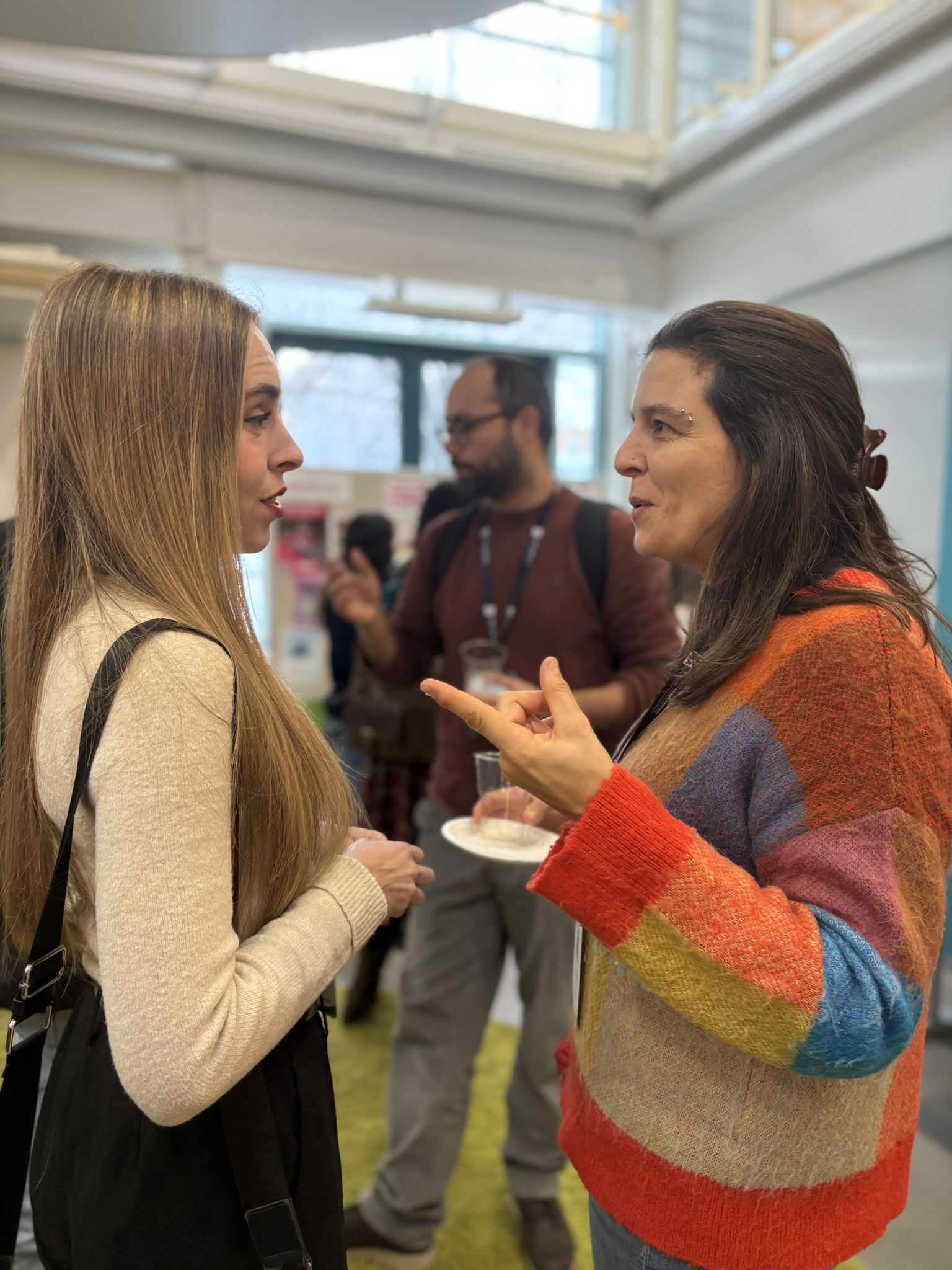
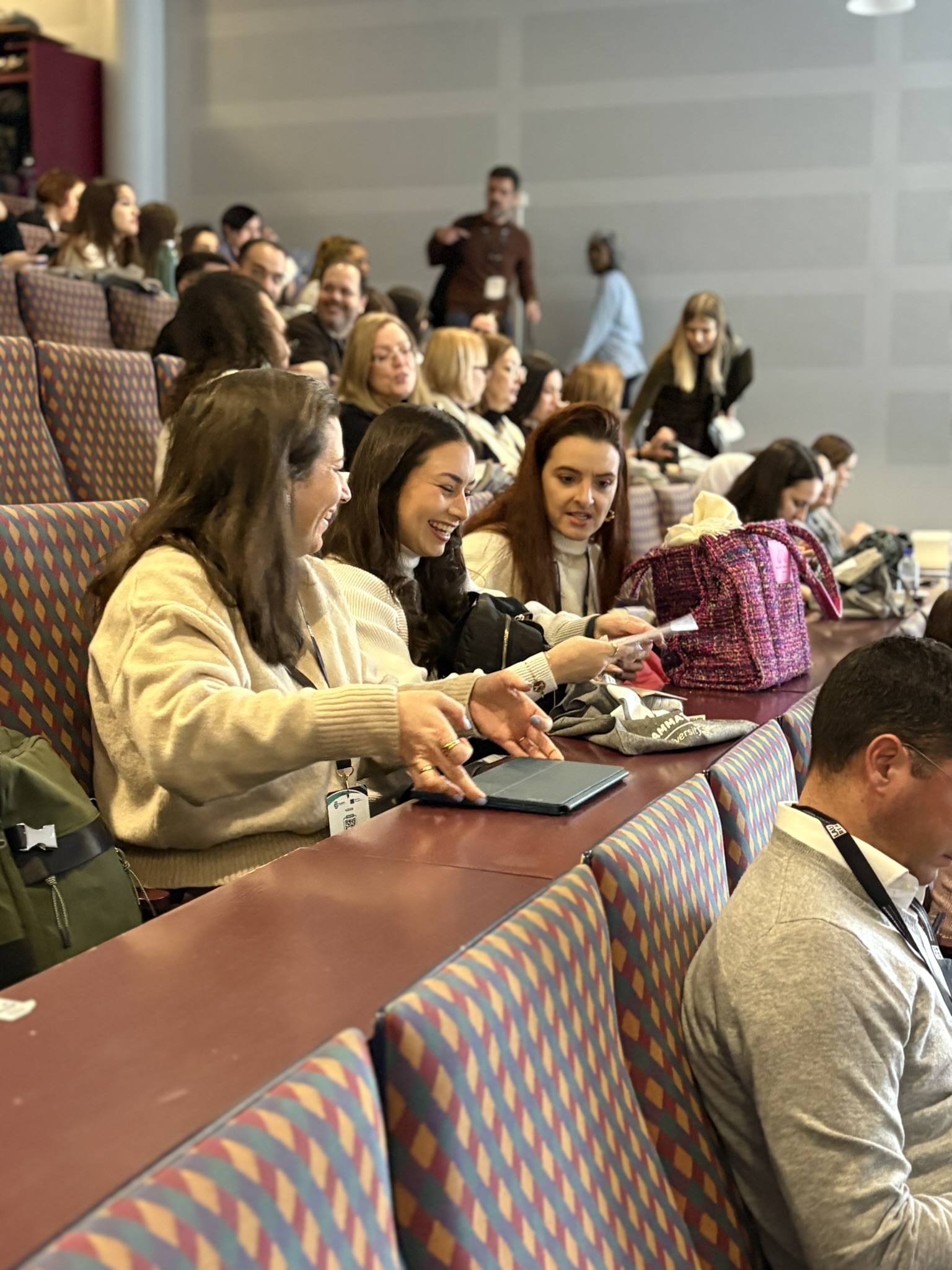
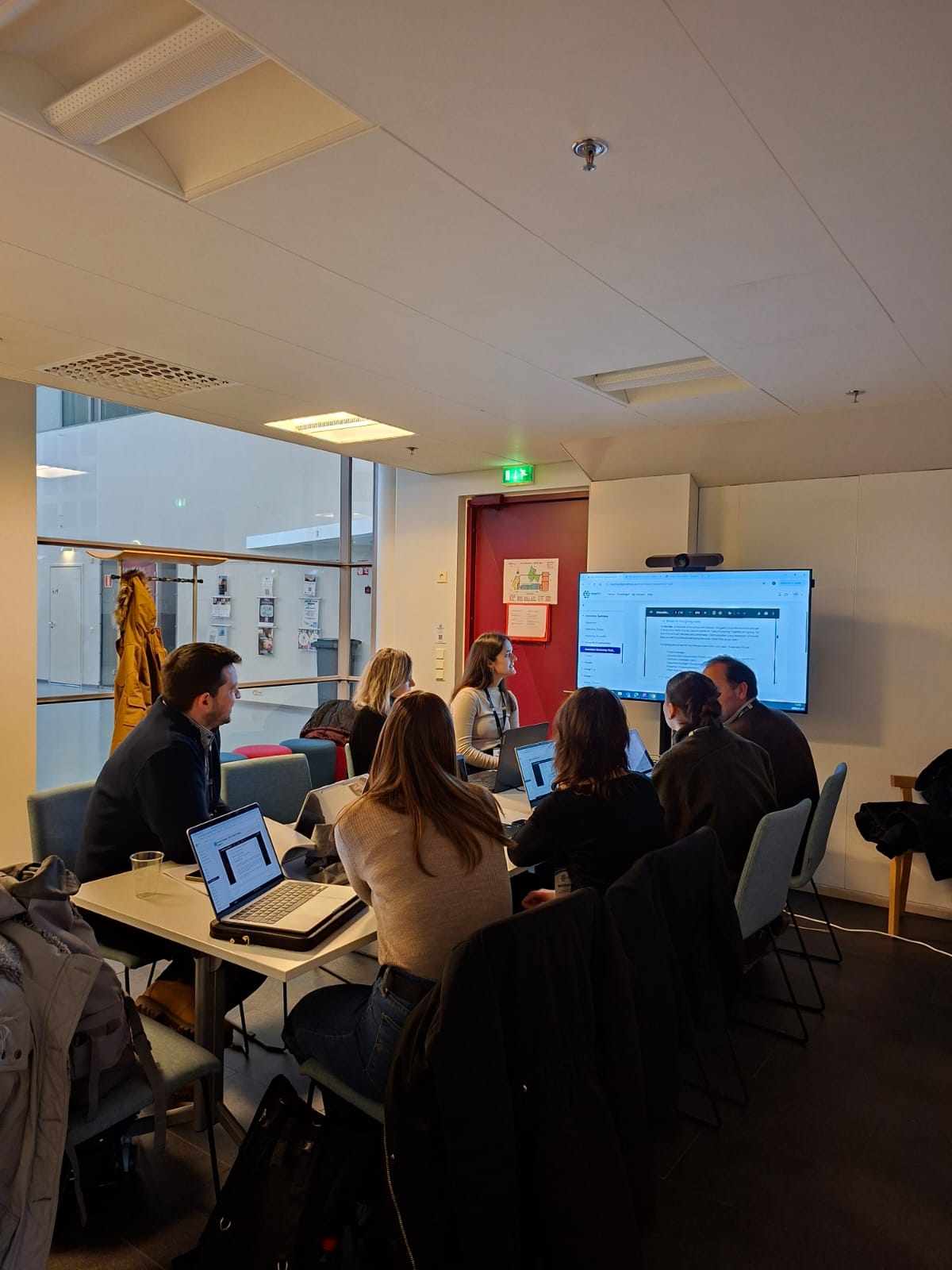
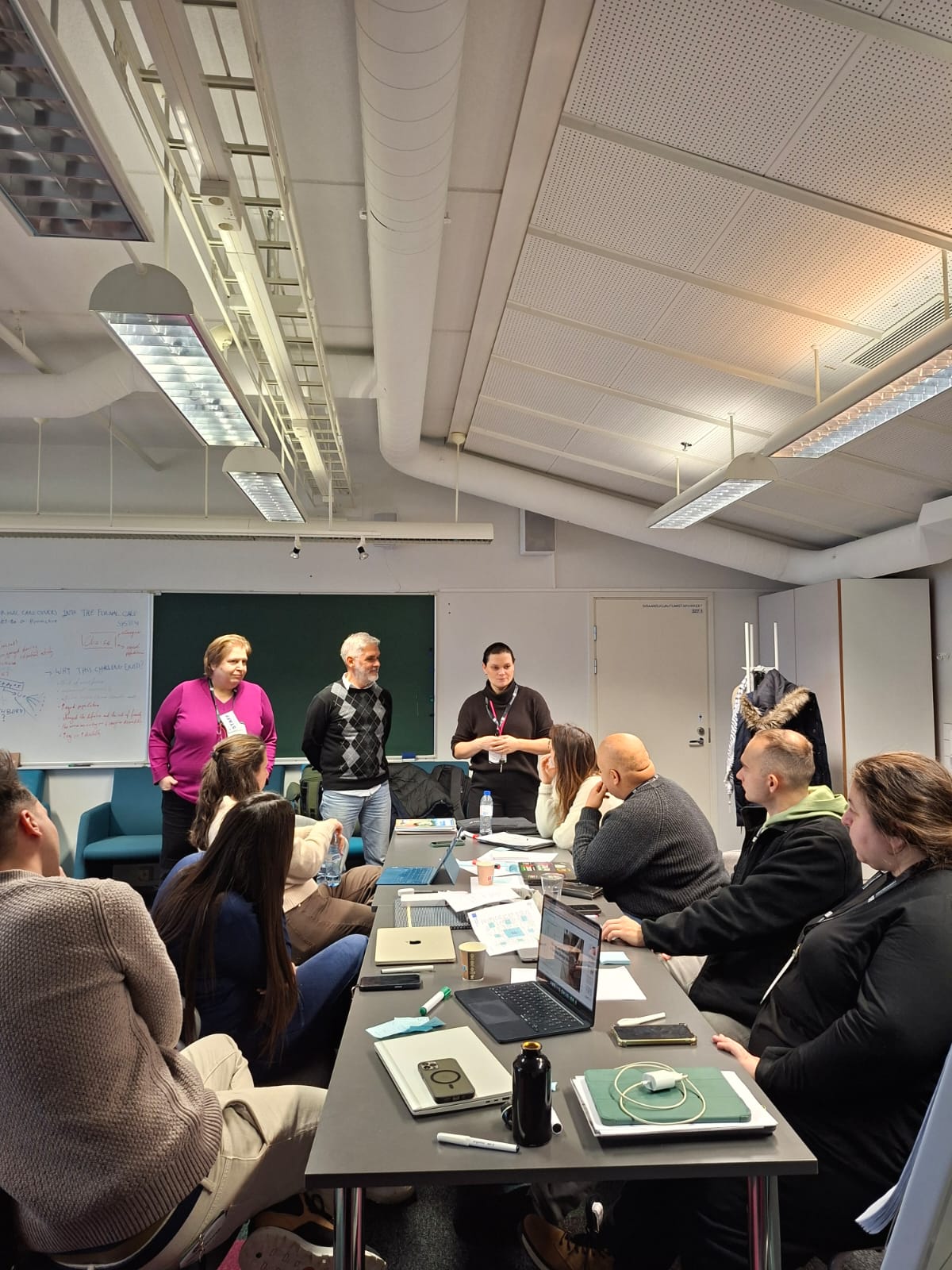
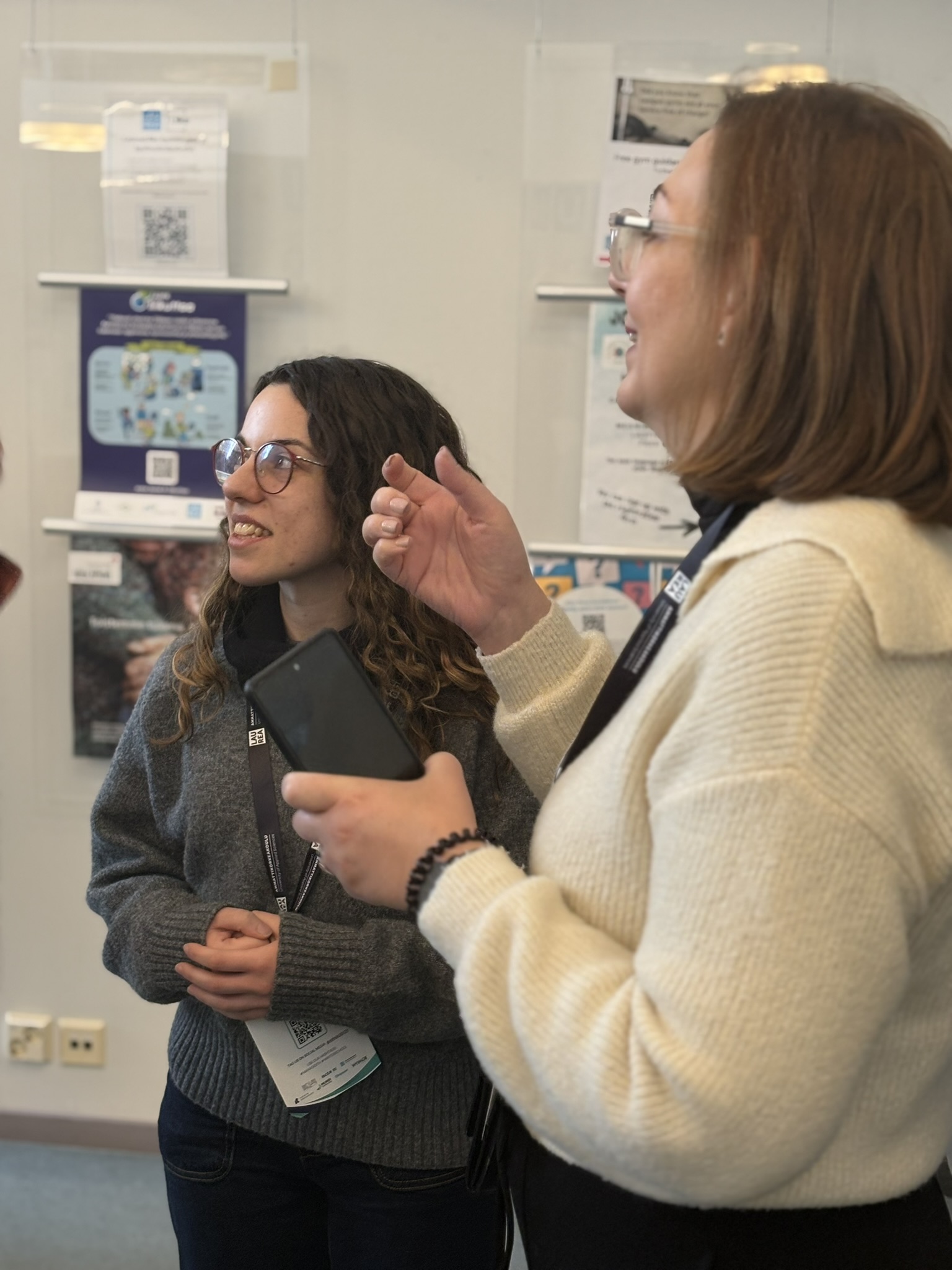
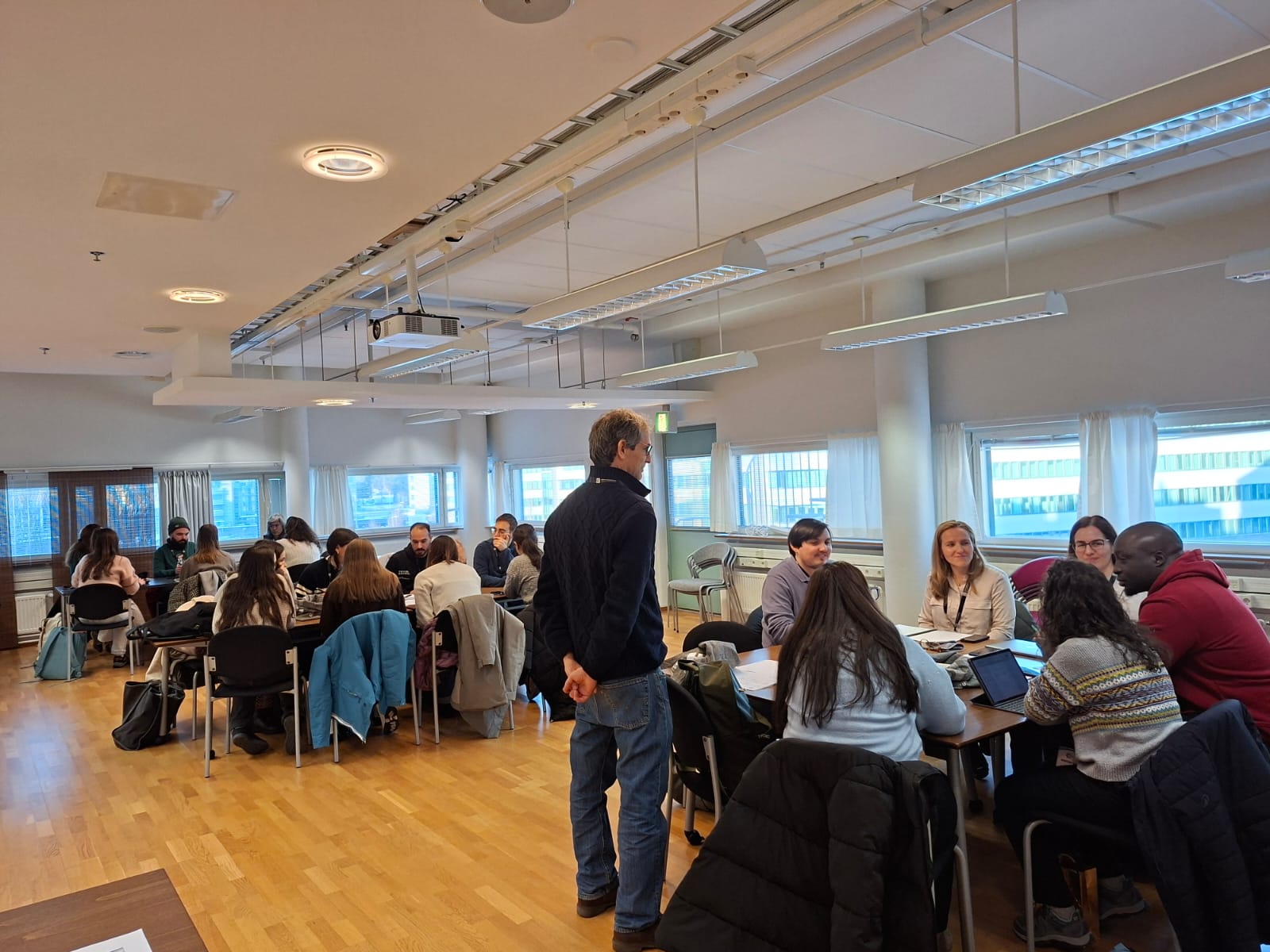
Rather than working in isolation, teams spent time in close dialogue with company representatives — asking questions, challenging assumptions, and refining their understanding of the problems at hand. Several students later noted that having everyone around the same table made complex discussions easier, allowing ideas to move forward more naturally and collaboratively.
The industry partners contributing challenges and expertise to the Winter School were:
- Hovi Care
- Everon Group
- Benete Oy
- Whymob
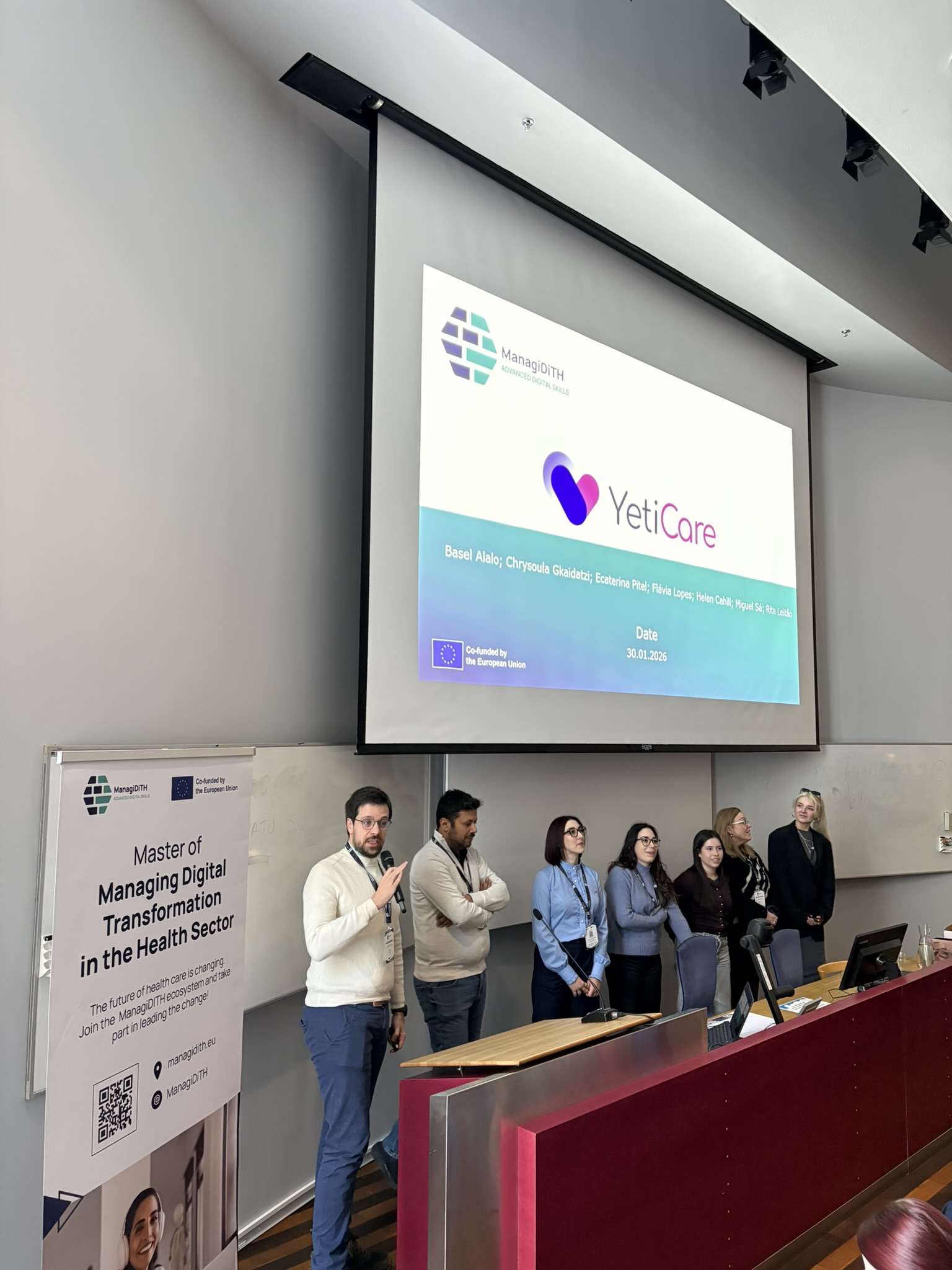
- YetiCare
- Teamcare Oy
- JST Healthcare Solutions
- Clinipower Finland Oy
Their active involvement throughout the week enabled students to engage with authentic, current challenges and gain first-hand insight into how digital transformation unfolds within healthcare organisations.
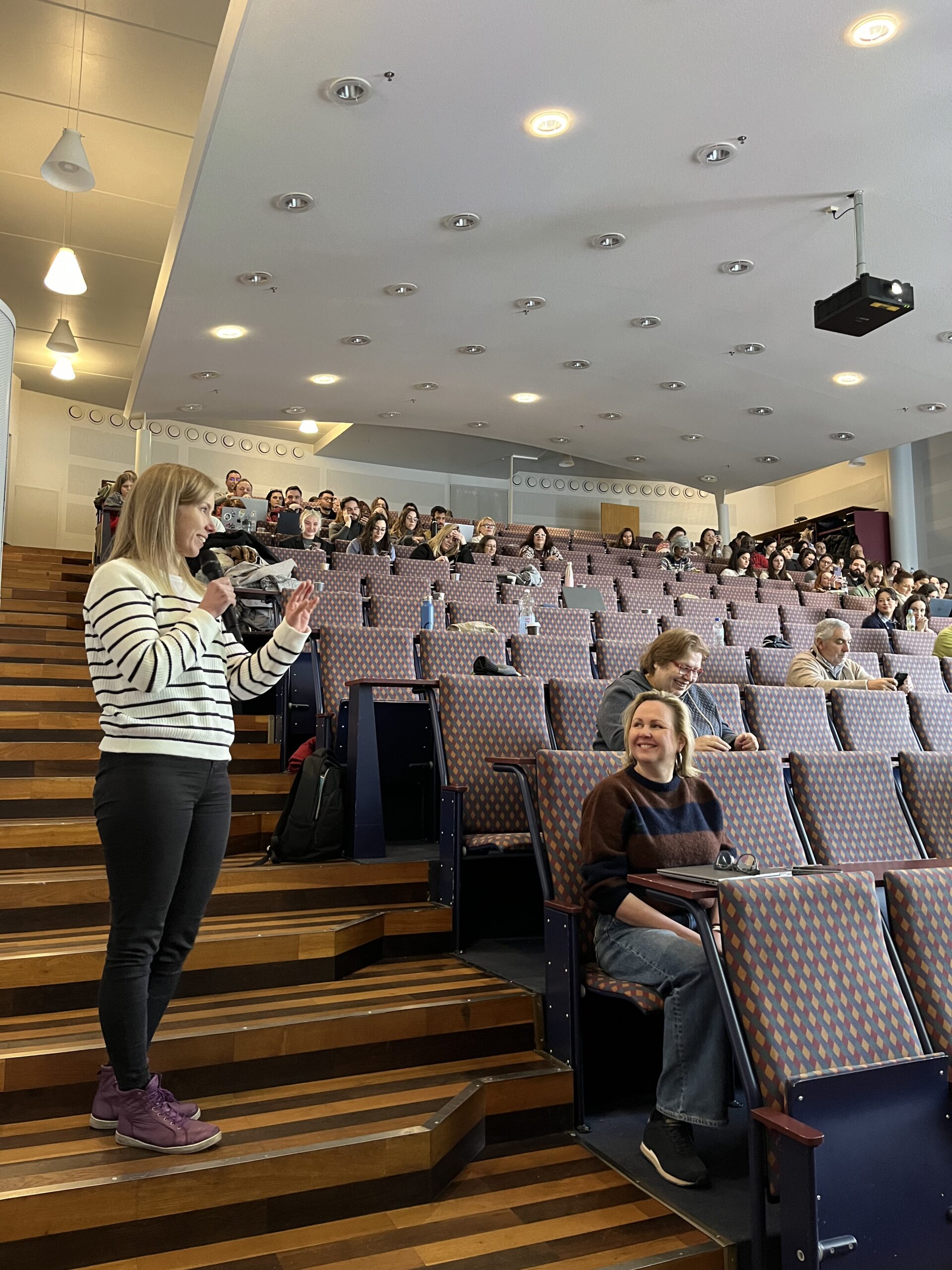
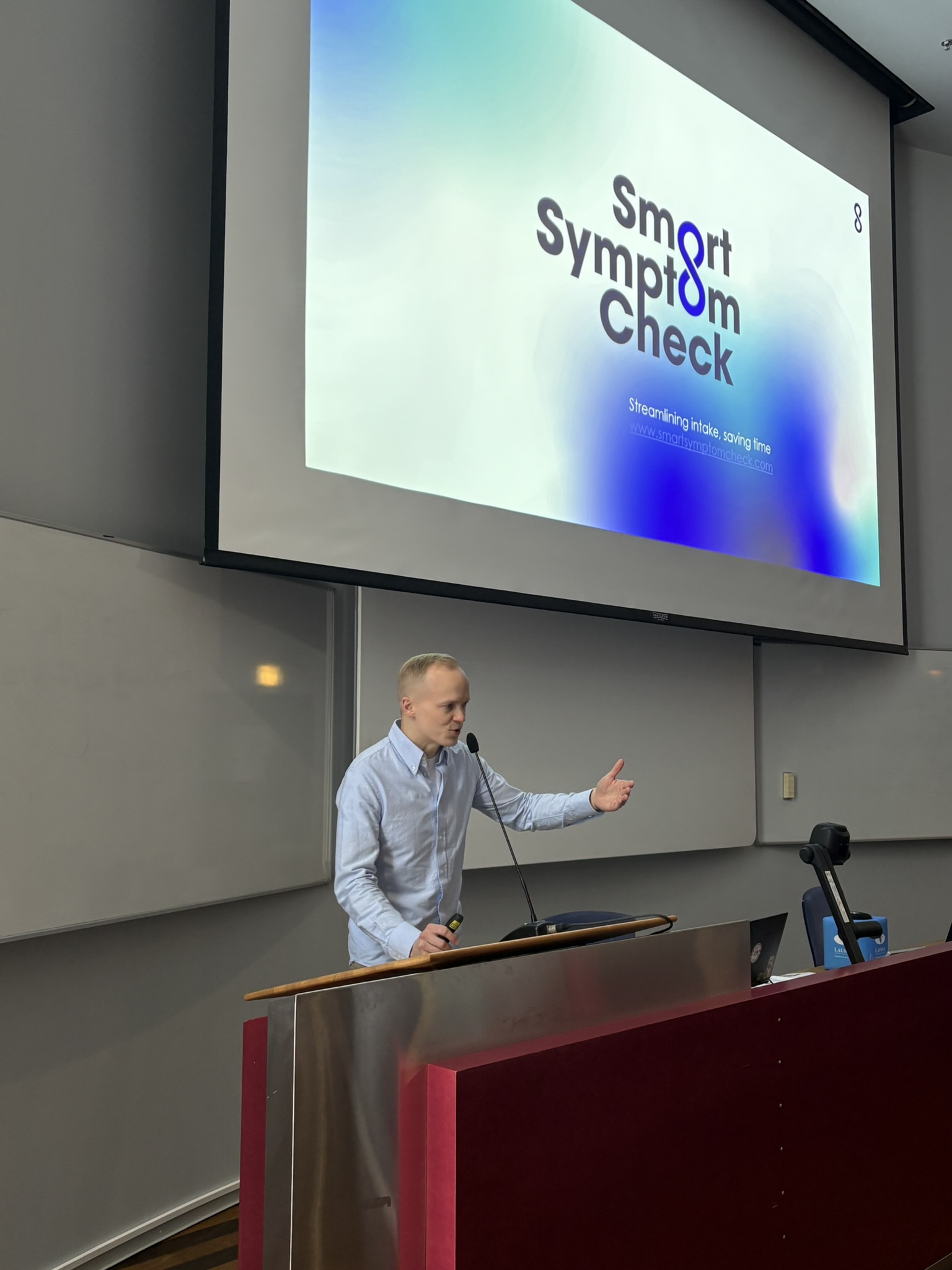
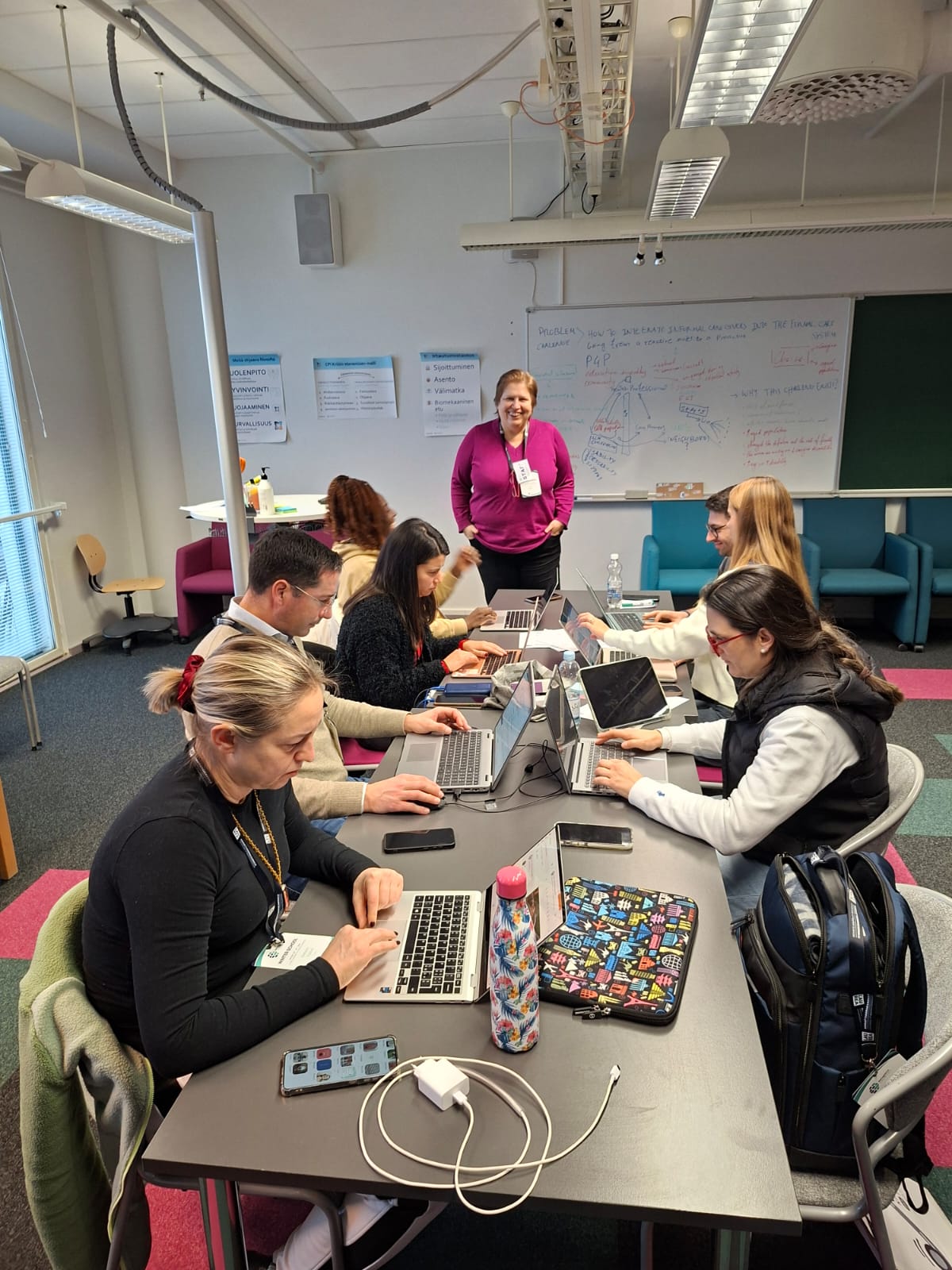
Midweek was fully dedicated to teamwork, with students moving from ideation to testing and prototyping. Supported by mentors, teams worked side by side to sketch, experiment, discard, and rebuild ideas. The multidisciplinary composition of the teams proved to be a major strength, as different academic and professional backgrounds led to richer discussions and more robust solutions.
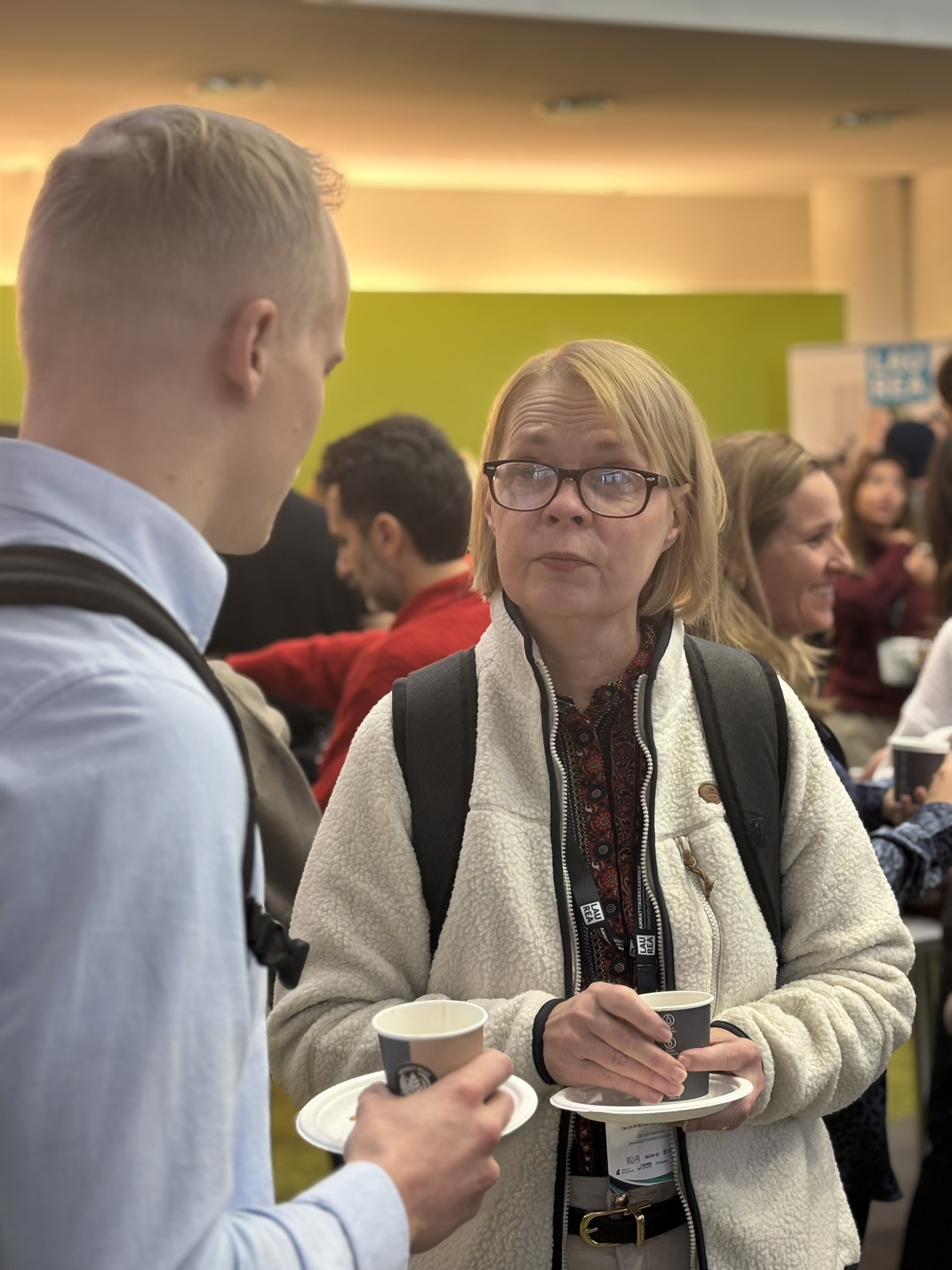
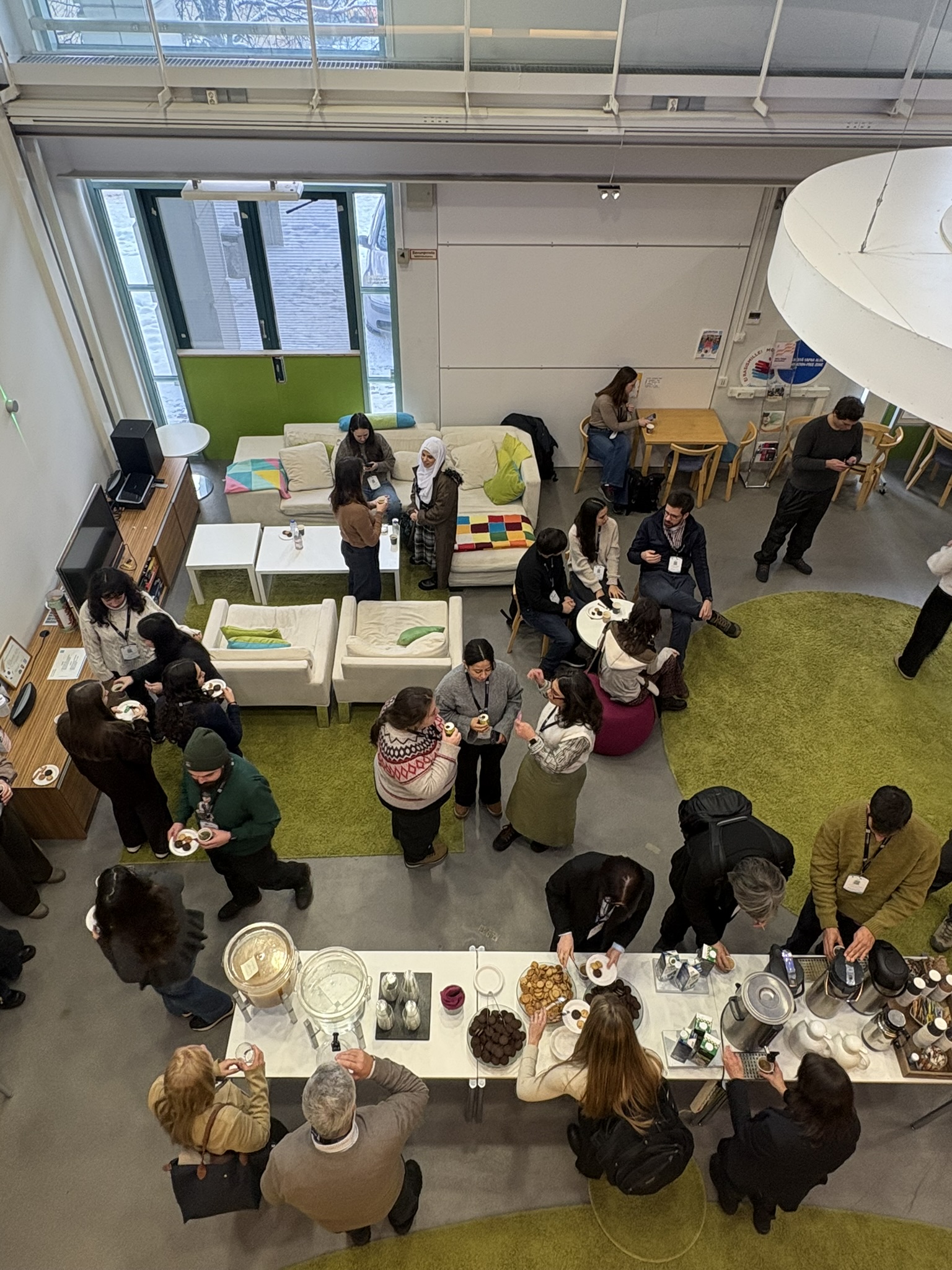
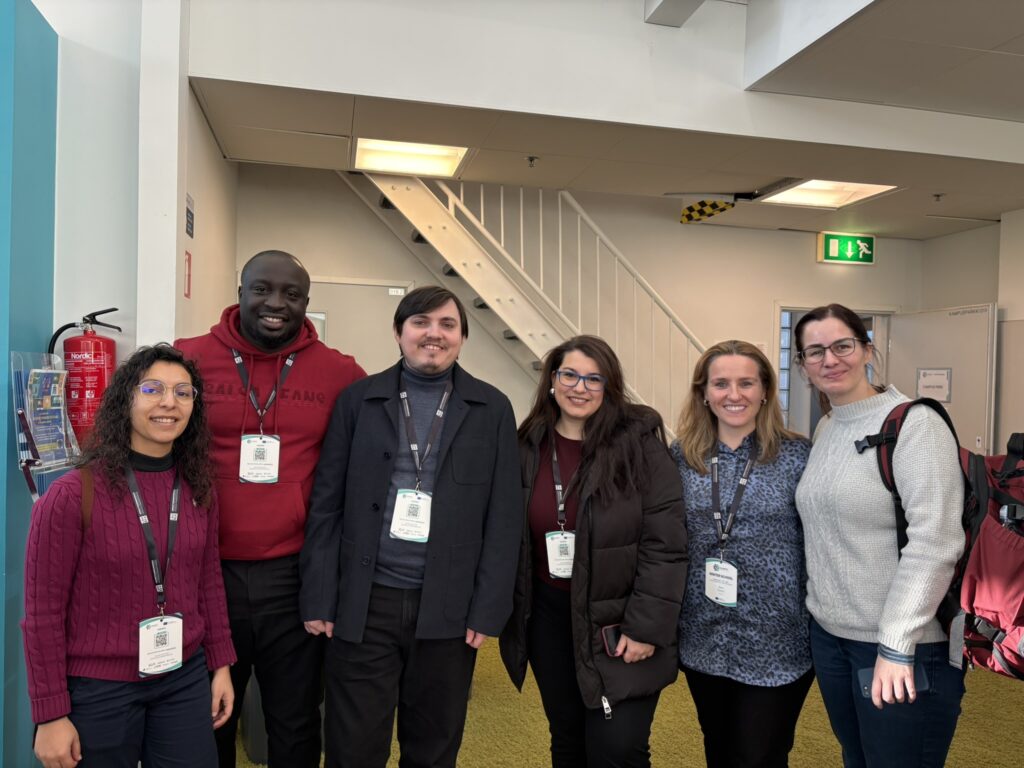
One recurring theme in student feedback was the importance of shared presence. Being physically together made it easier to build trust, read the room, and develop a sense of shared ownership over the work. In a programme that otherwise operates online, this week helped many students feel more strongly connected not only to their teams, but to the Master’s programme as a whole.
As one participant put it, the Winter School was the moment when the programme truly began to feel real.
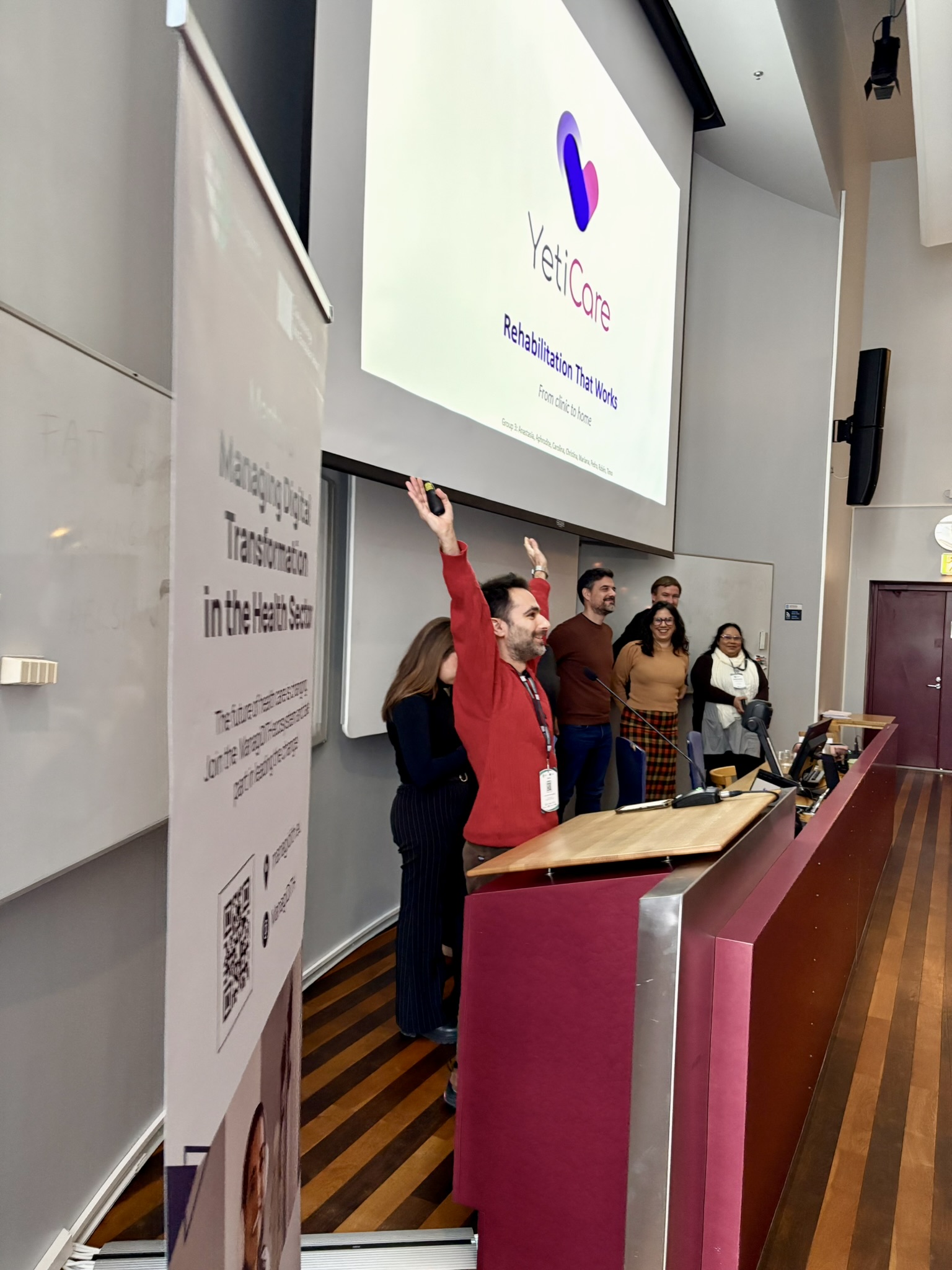
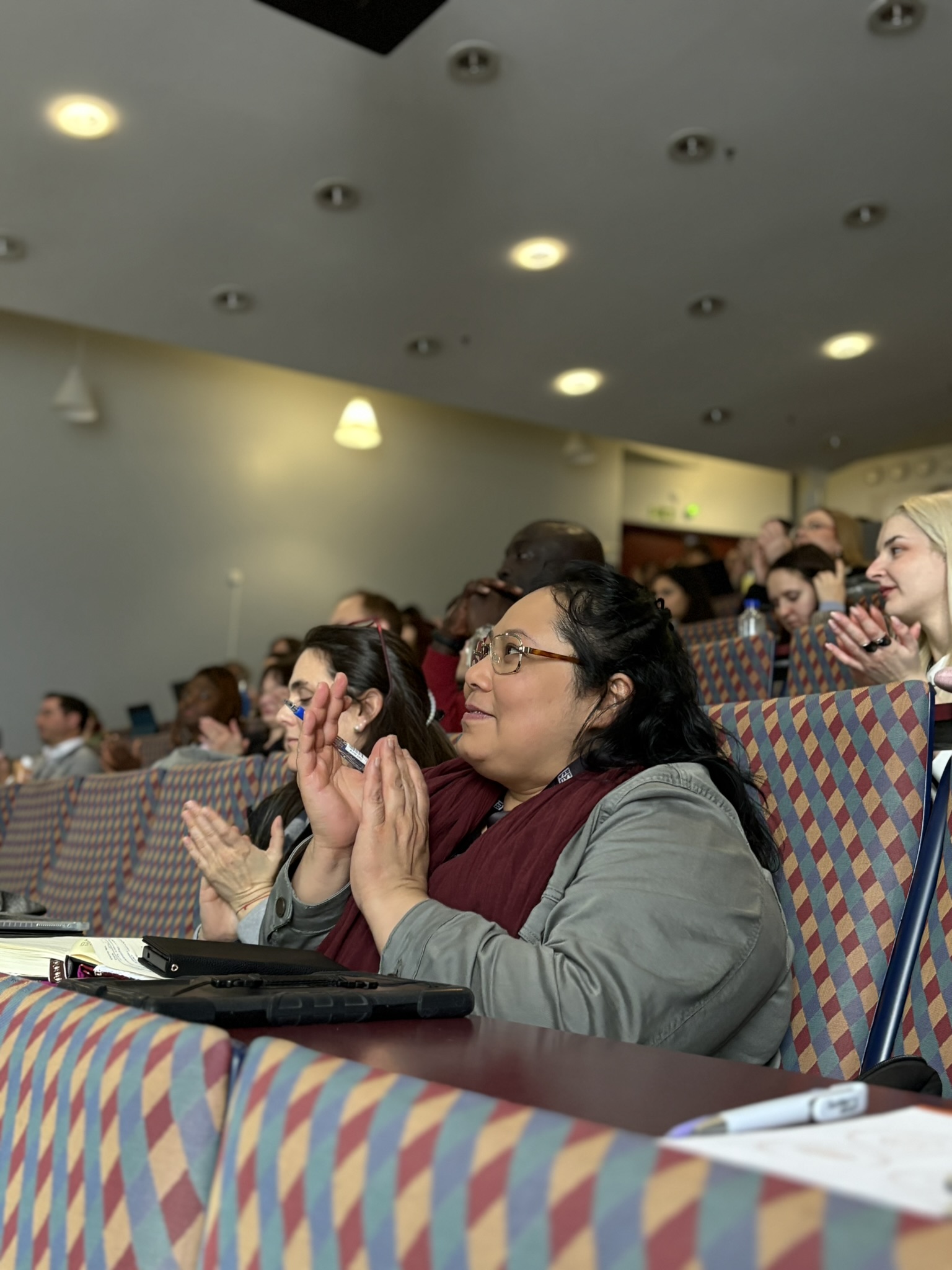
The Winter School concluded with final presentations, where teams showcased their concepts and reflected on their development process both the good and the bad. The results demonstrated not only creativity and technical understanding, but also a strong awareness of healthcare contexts, stakeholder needs, implementation realities, and some great humor from our students.
Industry partners expressed clear appreciation for the level of engagement and professionalism shown by the students. One partner summed up their impression simply, and memorably by saying they would happily hire every team they had worked with.
For students, the week reinforced an important insight: even in a field driven by digital systems and advanced technologies, it is human interaction that moves innovation forward. Working together, face-to-face, helped turn abstract challenges into shared problems and shared solutions.
Until Next Time
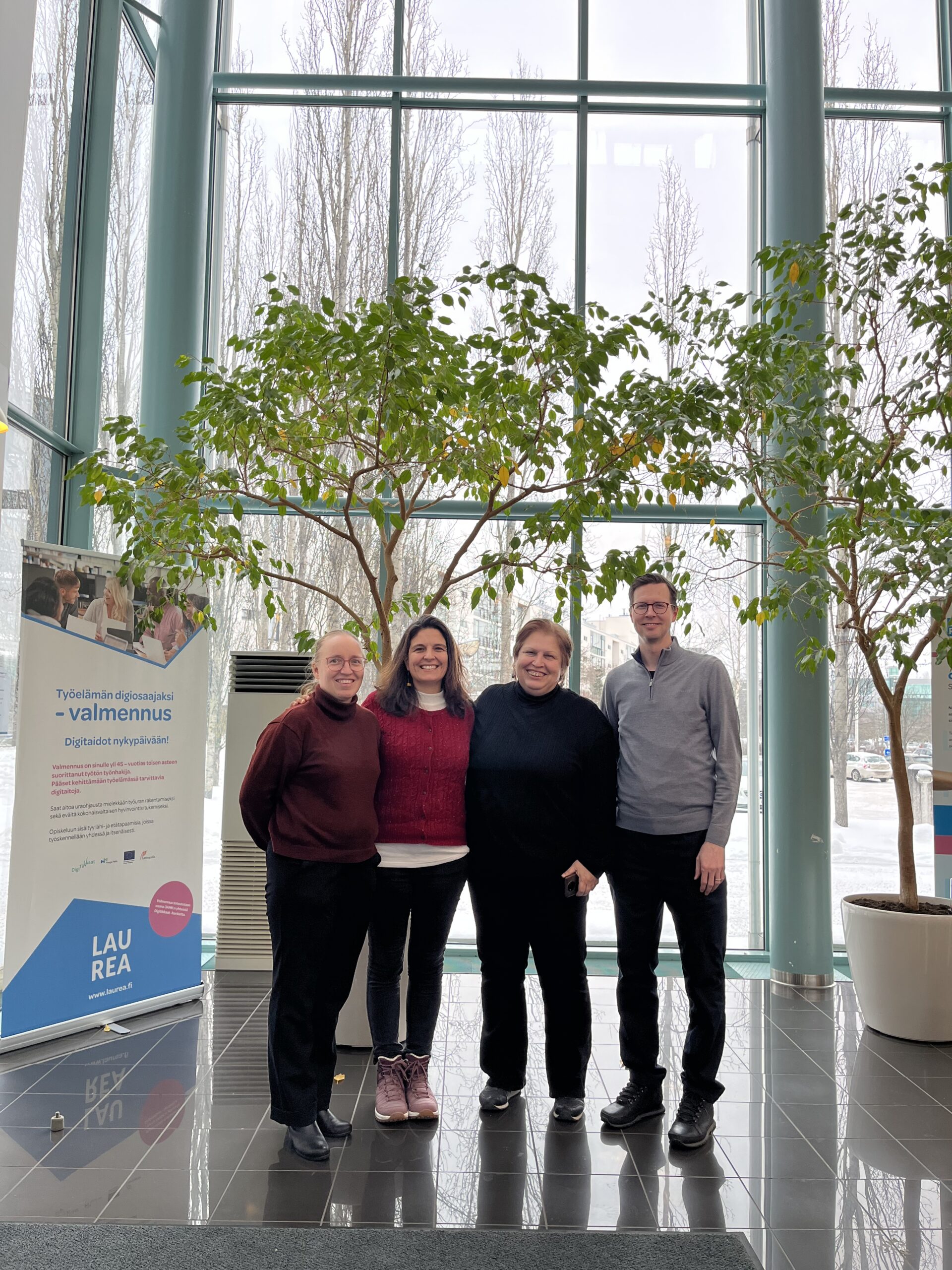
A heartfelt thank you to all students, speakers, mentors, industry partners, and colleagues across the partner universities for making the first ManagiDiTH Winter School such a memorable week. Digital health may be built with technology, but it moves forward through people, and this week showed just how powerful that can be.
Until next time, online or around the table.
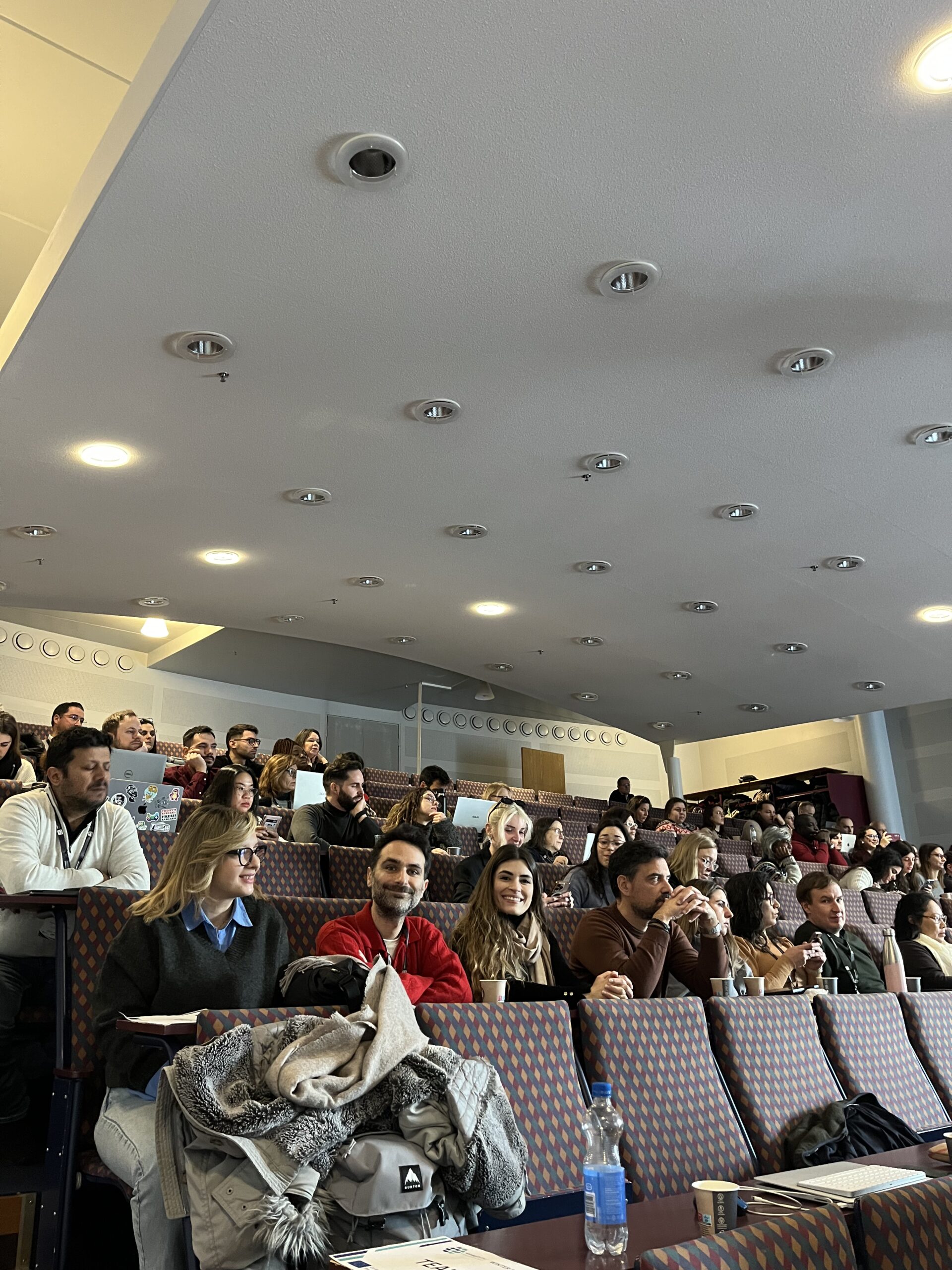
Find detailed day-by-day highlights on our LinkedIn page, and find the full Winter School 2026 gallery below.